Researchers Identify Plant Compounds That Stop and Reverse Parkinson’s Protein Aggregation
Nikhil Prasad Fact checked by:Thailand Medical News Team Apr 27, 2026 3 months, 5 days, 23 hours, 21 minutes ago
Medical News: A new scientific study has revealed that certain plant-derived compounds may be capable of both preventing and reversing one of the most damaging processes behind Parkinson’s disease, offering new hope for treatments that go beyond symptom control.
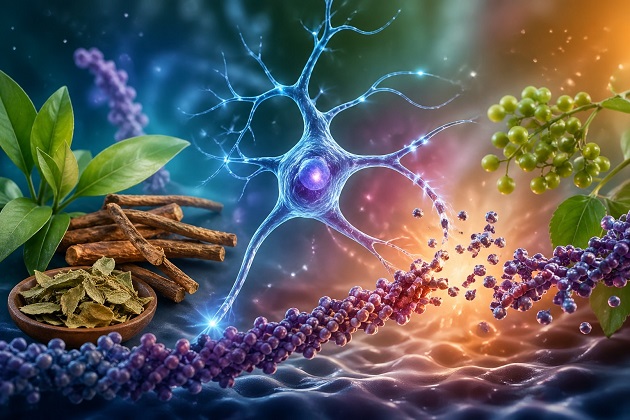 Plant-derived compounds from traditional medicinal sources show promise in stopping and reversing toxic protein
buildup in Parkinson’s disease
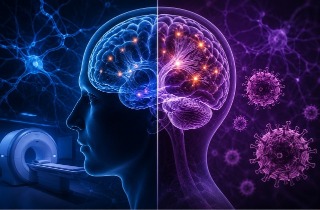
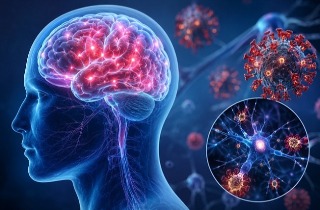
Parkinson’s disease is strongly linked to a protein called alpha-synuclein. Under normal conditions, this protein helps regulate brain cell function. However, in disease states, it begins to misfold and clump together, forming toxic structures known as fibrils. These fibrils accumulate inside brain cells and gradually spread, contributing to neuron loss and the progression of symptoms.
Understanding the Root of the Disease
In healthy individuals, alpha-synuclein remains soluble and flexible. But when it becomes unstable, it starts forming small clusters that grow into larger aggregates. These aggregates can act like “seeds,” triggering a chain reaction that accelerates damage across different brain regions.
Researchers from the Neurological Disorders Research Center at the Qatar Biomedical Research Institute, part of Hamad Bin Khalifa University, along with scientists from the Materials Core Laboratories at the same university, investigated whether natural compounds could interrupt this harmful cycle.
Plant-Derived Compounds Take Center Stage
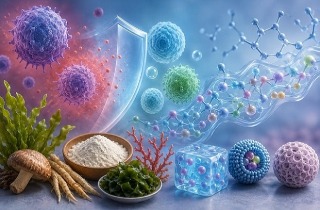
Among the compounds tested, salvianolic acid B and dihydromyricetin emerged as the most effective. These are naturally occurring molecules derived from traditional medicinal plants with long histories of use.
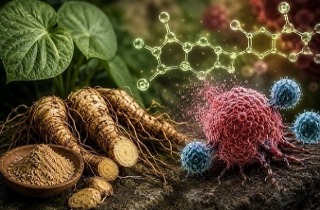
Salvianolic acid B is extracted from Salvia miltiorrhiza, commonly known as Danshen, a widely used herb in traditional Chinese medicine known for supporting cardiovascular health and improving blood circulation.
Dihydromyricetin is a flavonoid found in Hovenia dulcis, also called the Japanese raisin tree, as well as in certain herbal teas, and has been studied for its liver-protective and neuroprotective properties.
Powerful Effects on Toxic Protein Clumps
Laboratory experiments showed that both compounds significantly reduced the formation of harmful alpha-synuclein fibrils. Dihydromyricetin proved especially potent, nearly eliminating fibril formation under multiple test conditions. Salvianolic acid B also demonstrated strong inhibitory effects, though slightly less pronounced.
What makes dihydromyricetin particularly promising is its ability to break down pre-existing fibrils. This suggests it may not only prevent damage but also help reverse it, a capability that is rare among current experimental treatments.
Protective Effects in Human Cells
To assess biological impact, researchers tested the compounds on human neuroblastoma cells exposed to toxic protein aggregates.
Cells treated with alpha-synuclein alone showed significant damage,
with survival rates dropping sharply. However, when salvianolic acid B or dihydromyricetin was introduced, cell survival improved dramatically, in some cases returning close to normal levels.
This
Medical News report highlights that both compounds protected cells, but through different mechanisms. Dihydromyricetin actively dismantled toxic protein structures, while salvianolic acid B appeared to act earlier in the process, preventing the formation of harmful intermediates.
Blocking the Spread of Disease
A critical feature of Parkinson’s disease is the rapid spread of protein aggregation through a process known as “seeding,” where existing fibrils trigger the formation of new ones.
The study found that dihydromyricetin effectively blocked this seeding process, preventing the rapid amplification of toxic proteins. Salvianolic acid B showed more limited effects, mainly slowing down the process rather than fully stopping it.
Implications for Future Treatments
Current treatments for Parkinson’s disease primarily focus on managing symptoms such as tremors and stiffness. They do not address the underlying biological mechanisms driving the disease.
These findings suggest that targeting protein aggregation at multiple stages could represent a new therapeutic strategy. Natural compounds like salvianolic acid B and dihydromyricetin may serve as promising starting points for developing treatments aimed at slowing or halting disease progression.
Conclusion
The study provides compelling evidence that plant-derived compounds can significantly influence the molecular processes driving Parkinson’s disease. Dihydromyricetin stands out for its dual ability to prevent and reverse protein aggregation, while salvianolic acid B offers strong protection by interfering with early-stage toxic events. Although these findings are based on controlled laboratory experiments and not yet validated in human clinical settings, they open an important pathway for future research. Further investigations will be necessary to evaluate safety, bioavailability, and effectiveness in real-world conditions, but the results mark a meaningful step toward developing disease-modifying therapies for neurodegenerative disorders.
The study findings were published in the peer reviewed International Journal of Molecular Sciences.
https://www.mdpi.com/1422-0067/27/9/3843
For the latest research on Parkinson’s Disease, keep on logging to Thailand
Medical News.
Read Also:
https://www.thailandmedical.news/articles/herbs-and-phytochemicals
https://www.thailandmedical.news/articles/alzheimer,-dementia-




 Share
Share
 Tweet
Tweet
 Share
Share