Nikhil Prasad Fact checked by:Thailand Medical News Team Apr 16, 2026 5 months, 2 weeks, 4 days, 30 minutes ago
Medical News: A new scientific study has uncovered a critical molecular mechanism that contributes to the deterioration of heart function with age, offering a promising new target for preventing or slowing cardiovascular decline. The findings shed light on how subtle biochemical changes within heart cells can disrupt energy production and accelerate damage over time.
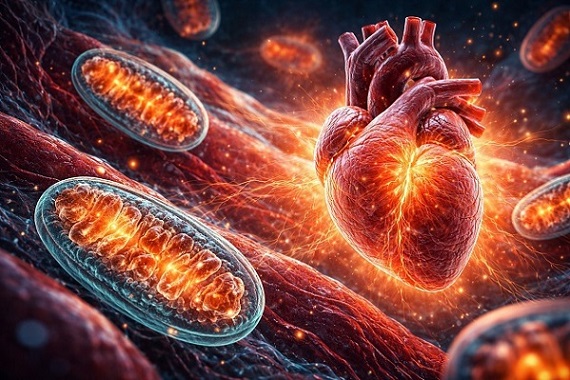 A newly identified molecular pathway may help protect the aging heart by improving mitochondrial function
and reducing oxidative stress
Understanding the Aging Heart
Aging is closely linked to an increased risk of cardiovascular disease, largely due to declining mitochondrial function. Mitochondria are responsible for producing energy in the form of ATP, but they also generate reactive oxygen species (ROS) as a byproduct. While ROS play important roles in normal cellular signaling, excessive levels can damage proteins, lipids, and DNA, ultimately impairing heart function.
The study demonstrates that aging is associated with increased oxidative stress and reduced efficiency of mitochondrial energy production, both of which contribute to the progression of cardiac dysfunction.
Role of GCN5L1 in Mitochondrial Regulation
Researchers identified the mitochondrial protein GCN5L1 as a key regulator of these processes. GCN5L1 controls lysine acetylation, a biochemical modification that alters the function of proteins involved in energy metabolism and antioxidant defense.
In aging heart tissue, elevated GCN5L1 activity leads to excessive acetylation of mitochondrial proteins. This modification disrupts the normal function of the electron transport chain, the system responsible for generating ATP, and promotes the accumulation of oxidative stress.
To investigate this mechanism, the research team utilized a cardiac-specific model in which GCN5L1 was selectively removed. This approach allowed them to directly assess how the absence of this protein influences heart function during aging.
Reduction in Oxidative Damage
The findings revealed a clear reduction in markers of oxidative stress in aged hearts lacking GCN5L1. Levels of lipid peroxidation, a key indicator of cellular damage, were significantly lower compared to normal aged hearts. In addition, measurements of reactive radical species within cardiac tissue showed a marked decline, indicating a more stable and less damaging cellular environment.
These results suggest that GCN5L1-driven acetylation plays a central role in promoting oxidative injury in the aging heart.
Improved Mitochondrial Function
Further analysis showed that mitochondrial performance was enhanced when GCN5L1 activity was absent. Gene expression profiling demonstrated increased activation of pathways involved in oxidative phosphorylation and energy metabolism.
Although the overall structure and abundance of mitochondrial complexes remained largely unchanged, their functional efficiency improved. This indicates that age-related decline in heart function is more closely linked to impaired activity rather than
a loss of mitochondrial components.
Optimization of Cellular Energy Use
The study also found that mitochondrial respiration became more tightly regulated, with reduced inefficiencies in oxygen utilization. This shift reflects improved coordination of energy production processes, helping to limit unnecessary generation of harmful byproducts.
In parallel, key measures of mitochondrial performance - including respiratory control and reserve capacity - were significantly enhanced, suggesting that heart cells retained a greater ability to respond to increased energy demands.
This
Medical News report highlights an important shift in cardiovascular research, emphasizing that age-related heart decline is not merely inevitable but may be influenced by modifiable molecular pathways. Targeting GCN5L1 and its role in protein acetylation presents a novel strategy for reducing oxidative stress and preserving cardiac function.
Enhanced Antioxidant Defense Systems
The research also demonstrated improvements in the heart’s natural antioxidant defenses. Several protective proteins, including catalase and superoxide dismutase, showed improved activity when GCN5L1 was absent. These enzymes are essential for neutralizing reactive oxygen species and preventing cellular damage.
By maintaining the activity of these antioxidant systems, the heart is better equipped to preserve cellular integrity and function during aging.
Conclusion
This study provides strong evidence that GCN5L1 is a critical regulator of mitochondrial dysfunction and oxidative stress in the aging heart. By limiting excessive protein acetylation, it is possible to restore mitochondrial efficiency, reduce cellular damage, and enhance antioxidant defenses. These findings point to a promising therapeutic pathway that could help delay or prevent age-related cardiovascular disease. Continued research into this mechanism may pave the way for targeted interventions that improve both lifespan and cardiovascular health.
The study findings were published in the peer reviewed journal: Antioxidants.
https://www.mdpi.com/2076-3921/15/4/481
For the latest on aging hearts, keep on logging to Thailand
Medical News.
Read Also:
https://www.thailandmedical.news/articles/cardiology
https://www.thailandmedical.news/articles/anti-aging




 Share
Share
 Tweet
Tweet
 Share
Share

































