Nikhil Prasad Fact checked by:Thailand Medical News Team Jan 05, 2026 7 months, 4 weeks, 5 hours, 37 minutes ago
Medical News: Deadly yeast infections are becoming a serious and often overlooked global health threat. These infections affect millions of people every year and are especially dangerous for patients with weak immune systems, including cancer patients, transplant recipients, the elderly, and newborns. What makes the situation worse is that many of these yeast pathogens are now resistant to commonly used antifungal drugs, leaving doctors with fewer treatment options.
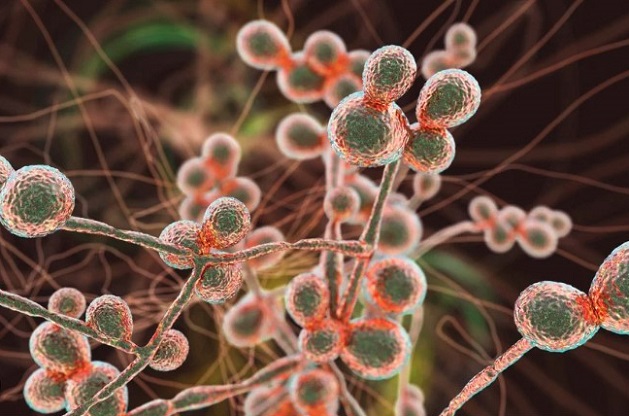 Natural sugar binding proteins show powerful potential against deadly drug resistant fungal infections
A major scientific review by researchers from the Departamento de Bioquímica, Centro de Biociências, Universidade Federal de Pernambuco, Recife, Brazil, sheds new light on a promising natural solution called lectins.
Why Current Treatments Are Failing
Most fungal infections are treated using a small number of antifungal drug classes. Over time, yeasts such as Candida, Nakaseomyces, and Cryptococcus have learned how to survive these drugs. They do this by changing their cell walls, pumping drugs out of their cells, or hiding inside protective biofilms. These biofilms act like shields, making infections harder to kill and more likely to return.
Because of these survival tricks, scientists are urgently searching for new ways to attack yeast infections from different angles.
What Lectins Are and Why They Matter
Lectins are natural proteins found in plants, animals, and microorganisms. Their special talent is binding to sugars. These matters because yeast cells are covered in sugar rich structures. When lectins attach to these sugars, they can seriously disrupt the yeast cell.
According to the review covered in this
Medical News report, lectins can punch holes in yeast cell walls, damage cell membranes, shut down energy production, trigger oxidative stress, and even force the yeast cell to self-destruct. Some lectins also stop yeast cells from changing shape into more aggressive forms and prevent biofilm formation, which is crucial in reducing severe infections.
Strong Results Against Dangerous Yeasts
The researchers documented strong antifungal activity of lectins against several dangerous yeasts, including drug resistant Candida auris. Certain lectins were effective even at low doses and worked against strains that no longer respond to standard drugs.
Lectins also showed promise against Cryptococcus, a yeast responsible for deadly brain infections. Some lectins weakened the protective capsule around these fungi, making them easier to kill and less able to cause severe disease.
Boosting Existing Antifungal Drugs
One of the most exciting findings is that some lectins work even better when combined with existing antifungal medications. These combinations improved drug effectiveness, reduced fungal survival, and may allow doctors to use lower drug doses. This could mean fewer side effects and slower devel
opment of drug resistance.
However, the review also warns that not all combinations are helpful, and careful testing is essential to avoid harmful interactions.
Safety and Real-World Challenges
While many lectins showed low toxicity in lab and animal studies, others caused immune reactions or side effects at higher doses. Scientists are now exploring safer delivery methods such as topical creams, mucosal applications, and nanoparticle-based systems to improve safety and effectiveness.
Conclusions
Overall, the findings highlight lectins as powerful and versatile antifungal candidates with the ability to attack yeast infections in multiple ways at once. Their natural origin, unique mechanisms, and ability to enhance existing drugs make them especially promising. However, more research is urgently needed to confirm long term safety, proper dosing, and real-world effectiveness before lectins can be used in routine medical care.
The study findings were published in the peer reviewed journal: Biomedicines
https://www.mdpi.com/2227-9059/14/1/105
For the latest on treating yeast infections, keep on logging to Thailand
Medical News.
Read Also:
https://www.thailandmedical.news/news/common-yeast-found-on-fruits-and-certain-foods-able-to-combat--drug-resistant-fungal-infections
https://www.thailandmedical.news/news/alert:-the-new-resistant-fungal-threat--to-asia,-candida-auris
https://www.thailandmedical.news/news/novel-approach-to-treating-drug-resistant-candida-albicans-fungal-infections




 Share
Share
 Tweet
Tweet
 Share
Share

































