L-Carnitine Found to Restore Damaged Red Blood Cells and Protect Vision in Glaucoma
Nikhil Prasad Fact checked by:Thailand Medical News Team Dec 14, 2025 9 months, 2 weeks, 6 days, 23 hours, 39 minutes ago
Medical News: Researchers Uncover Hidden Link Between Red Blood Cells and Glaucoma
In a groundbreaking discovery, scientists from Xiangya Hospital and Central South University in China, along with experts from the University of Texas Medical School at Houston, have found that damage to red blood cells plays a direct role in the development of glaucoma—a leading cause of blindness. The research suggests that a simple compound, L-carnitine, may be key to protecting the eye's optic nerve and restoring vital metabolic balance.
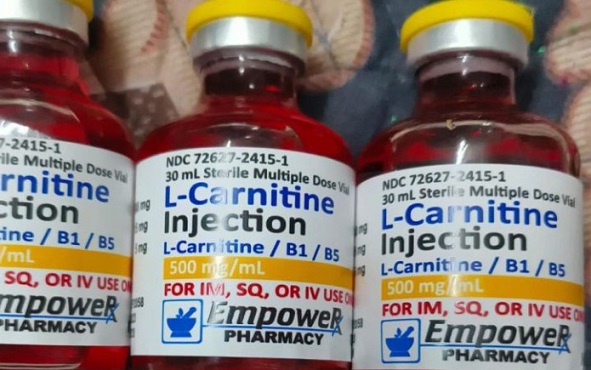 New research shows L-carnitine helps repair red blood cells and reduce vision loss in glaucoma by
restoring vital protective pathways
This
Medical News report explains how researchers found that glaucoma is not just a disease of eye pressure but may also stem from changes in the way red blood cells transport oxygen and maintain their cell membranes.
What Red Blood Cells Have to Do with Glaucoma?
Red blood cells, best known for carrying oxygen, also help manage key metabolic processes. In patients with glaucoma, the researchers observed that these cells had changed their internal energy pathways in response to oxygen shortages in the eye. They found that while red blood cells were releasing more oxygen—perhaps to help save dying eye tissue—they were also becoming vulnerable to damage due to reduced antioxidant protection.
This vulnerability allowed harmful molecules called ROS (reactive oxygen species) to build up, damaging the cell membranes of red blood cells. A breakdown in a special membrane repair process called the Lands cycle was linked to lower levels of L-carnitine, a nutrient needed to maintain cell structure and function.
L-Carnitine Supplementation Restores Key Protective Pathways
When researchers added L-carnitine to damaged red blood cells from glaucoma patients, the results were promising. The cells recovered their ability to repair membranes, release a protective lipid called sphingosine 1-phosphate (S1P), and absorb glucose properly. This restored not only the internal energy balance of the cells but also helped reduce oxidative stress that could further harm eye tissues.
The team also tested this in mouse models of glaucoma. Mice given L-carnitine had lower oxidative damage, restored levels of S1P in the bloodstream, and significantly better survival of retinal ganglion cells—the very cells that die off in glaucoma and cause vision loss.
S1P Identified as a Powerful New Biomarker for Glaucoma
One of the study’s biggest revelations was the discovery that reduced levels of S1P in blood plasma could be a strong early signal of glaucoma. People with lower plasma S1P were more likely to show signs of retinal nerve fiber damage. Using data from the UK Biobank, which tracks health data from over 100,000 individuals, the scientists confirmed that S1P and L-carnitine levels were among the strongest indicators of glaucoma risk.
Why This Matters<
;br />
The research shifts our understanding of glaucoma from being just an eye disease to being a systemic condition with ties to red blood cell health, oxygen delivery, and metabolic function. It opens new doors for treating glaucoma with therapies that target blood cells, not just the eye.
L-carnitine supplementation may one day be used alongside current treatments to help preserve vision. Most importantly, this study suggests that checking a patient’s blood for S1P and L-carnitine levels might help doctors catch glaucoma earlier and personalize treatment.
The study findings were published on a preprint server and are currently being peer reviewed.
https://www.researchsquare.com/article/rs-8165516/v1
For the latest on Glaucoma, keep on logging to Thailand
Medical News.
Read Also:
https://www.thailandmedical.news/articles/glaucoma-news




 Share
Share
 Tweet
Tweet
 Share
Share

































