Nikhil Prasad Fact checked by:Thailand Medical News Team Mar 13, 2026 6 months, 3 weeks, 1 day, 7 hours, 25 minutes ago
Medical News: Many people who recover from COVID-19 expect their symptoms to disappear within a few weeks. However, doctors are increasingly noticing that a persistent cough can linger for months or even longer. A new clinical investigation conducted by researchers from the Department of Respiratory and Critical Care Medicine at Tianjin Medical University General Hospital in Tianjin, China has now provided deeper insights into why this happens and who may be most at risk.
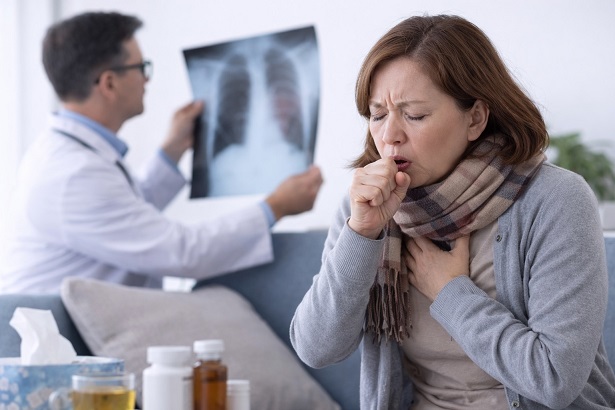 Large clinical study reveals why some COVID survivors suffer chronic cough for months or even years
The researchers analyzed medical data from 1,434 patients who visited respiratory clinics because of cough following COVID-19 infection. Their goal was to better understand the causes, characteristics, and long-term impact of chronic cough that develops after SARS-CoV-2 infection.
This
Medical News report explores the key findings of the research and what they may mean for people who continue experiencing cough long after their initial COVID-19 illness has passed.
Large patient study reveals patterns of lingering cough
To understand the problem, the researchers divided the patients into three groups based on how long their cough lasted. The first group had acute cough lasting two to three weeks. The second group experienced subacute cough lasting between three and eight weeks. The third group suffered from chronic cough lasting more than eight weeks after infection.
Among all the participants, the average age was about 49 years, and nearly two-thirds of the patients were female. The researchers noticed several patterns that distinguished people with long-lasting cough from those whose cough resolved more quickly.
Patients who had a history of rhinitis or throat inflammation, as well as those who reported throat irritation, chest tightness, or strong sensitivity to cold air or strong odors, were significantly more likely to develop chronic cough.
These findings suggest that people with previously sensitive airways may be more vulnerable to persistent respiratory symptoms after COVID-19.
Blood tests reveal immune changes linked to chronic cough
The research team also analyzed routine blood test results. Interestingly, people with chronic cough tended to have slightly higher levels of eosinophils and basophils, two types of immune cells involved in inflammation and allergic reactions.
At the same time, platelet levels were somewhat lower in patients with chronic cough compared to those in the early stages of post-COVID cough.
Although these changes were not dramatic, they may reflect ongoing immune activity or airway inflammation that continues even after the viral infection has resolved.
This could help explain why cough symptoms persist in some patients long after the initial illness.
Lung function tests show subtle breathing impairments
A
nother important part of the study examined lung function in hundreds of participants. The results showed that patients with chronic cough often had mild reductions in lung ventilation and gas exchange capacity.
Measurements such as forced vital capacity and expiratory airflow were lower in the chronic cough group compared to patients whose cough resolved sooner.
While most patients still had generally normal lung function overall, these subtle changes suggest that post-COVID cough may be linked to small airway irritation or lingering inflammation in lung tissues.
About 35 percent of patients with chronic cough also showed measurable abnormalities in lung ventilation, and more than 36 percent had reduced ability for oxygen transfer within the lungs.
Imaging scans reveal unusual lung patterns
Chest CT scans performed on many of the patients revealed additional clues. The most common abnormalities were small lung nodules, bronchial changes, and ground-glass opacities.
Interestingly, patients with chronic cough were more likely to show tiny lung nodules, while acute cases were more often associated with typical infection-related findings.
These imaging patterns suggest that persistent cough may sometimes involve subtle structural changes in lung tissues that remain even after the infection subsides.
Nighttime cough and chest tightness predict long term symptoms
Perhaps the most striking finding emerged during long-term follow-up. Researchers tracked a group of patients for 18 to 21 months after their initial clinic visit.
They discovered that two symptoms strongly predicted whether cough would persist nearly two years later: severe nighttime coughing and cough accompanied by chest tightness.
For every increase in nighttime cough severity score, the likelihood of long-term cough increased significantly. Patients who reported chest tightness were more than three times more likely to still have cough nearly two years later.
Conclusions
The study provides important evidence that persistent cough after COVID-19 is a real and measurable condition linked to airway sensitivity, immune changes, and subtle lung abnormalities. Individuals with throat inflammation history, sensitivity to irritants, nighttime cough, and chest tightness appear to face a higher risk of developing long-lasting symptoms. Understanding these risk factors may help doctors identify vulnerable patients earlier and develop better treatments for post-COVID respiratory complications that continue to affect quality of life long after the infection itself has passed.
The study findings were published in the peer reviewed Journal of Clinical Medicine.
https://www.mdpi.com/2077-0383/15/6/2174
For the latest COVID-19 News, keep on logging to Thailand
Medical News.
Read Also:
https://www.thailandmedical.news/articles/coronavirus
https://www.thailandmedical.news/articles/long-covid




 Share
Share
 Tweet
Tweet
 Share
Share

































