The Phytochemical Evodiamine That Is Used for Various Health Conditions in Asia Found to be Highly Nephrotoxic
Nikhil Prasad Fact checked by:Thailand Medical News Team Apr 25, 2026 5 months, 1 week, 2 days, 2 hours, 28 minutes ago
Medical News:
Traditional Remedy Raises Modern Safety Concerns
Evodiamine, a natural compound extracted from the fruit of Evodia rutaecarpa, has long been used in traditional Asian medicine to treat conditions such as headaches, abdominal pain, vomiting, and menstrual disorders. It is also known for its anti-inflammatory, antioxidant, and anti-tumor properties. However, new research is raising serious concerns about its safety, particularly its potential to damage the kidneys.
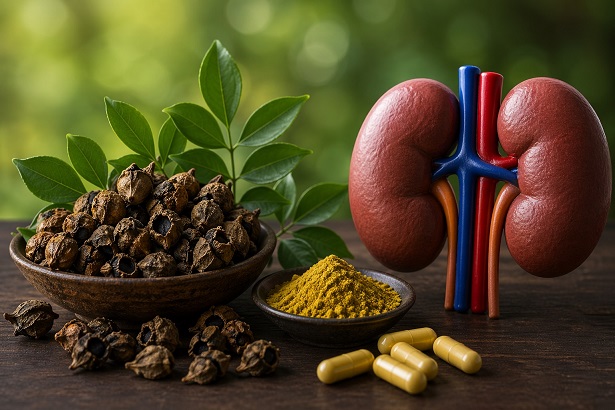 Study reveals that evodiamine, a traditional herbal compound, may cause serious kidney damage through inflammation
and cellular stress
In a recent study conducted by researchers from the School of Basic Medicine, Guizhou University of Traditional Chinese Medicine, Guiyang, China, and the School of Traditional Chinese Medicine Health Preservation, Guizhou University of Traditional Chinese Medicine, Guiyang, China, scientists investigated how evodiamine affects kidney health. Their findings reveal that while the compound has therapeutic potential, it may also pose significant risks when used improperly or over extended periods.
Clear Signs of Kidney Damage in Animal Models
The study used mice to examine the toxic effects of evodiamine over a 28-day period. The results were striking. Mice exposed to the compound experienced notable weight loss and significant increases in blood markers linked to kidney damage, including blood urea nitrogen (BUN) and creatinine levels.
This
Medical News report highlights that these biochemical changes were accompanied by visible structural damage to kidney tissues. Microscopic examination revealed inflammation, swelling, and even cell death within kidney structures. The severity of damage increased with higher doses and longer exposure times, indicating a clear dose-dependent toxic effect.
Uncovering the Molecular Mechanisms
To understand how evodiamine causes kidney injury, researchers used advanced techniques combining network toxicology and gene expression analysis. They identified over 2,800 genes that were significantly altered after exposure, with many linked to inflammation, oxidative stress, and cell death.
Among the most critical findings was the disruption of key biological pathways. Evodiamine was found to activate harmful inflammatory responses while suppressing protective mechanisms in kidney cells. Specifically, it increased the activity of proteins such as TRPV1 and NOS3, which are associated with inflammation and stress responses, while reducing levels of protective proteins like PPARG and HSP90AA1.
The study also showed that evodiamine binds strongly to these proteins, interfering with their normal function. This imbalance leads to increased cellular stress, reduced ability to repair damage, and ultimately, kidney injury.
Why These Findings Matter
These findings are particularly important because evodiamine is widely
used in herbal medicine and dietary supplements. Many people assume that natural compounds are inherently safe, but this research clearly shows that even plant-based substances can have serious side effects.
The study also found that even lower doses, when taken over longer periods, could still lead to kidney damage. This raises concerns about chronic use, especially in individuals who may already have underlying health conditions or are taking other medications.
Conclusion
In conclusion, this study provides strong evidence that evodiamine, despite its therapeutic benefits, can cause significant kidney damage through multiple biological mechanisms involving inflammation, oxidative stress, and gene disruption. The findings emphasize that its toxicity is both dose- and time-dependent, meaning that prolonged use or high intake substantially increases the risk of harm. These results highlight the urgent need for stricter regulation, better dosage guidelines, and increased public awareness regarding the safe use of herbal compounds containing evodiamine.
The study findings were published in the peer reviewed International Journal of Molecular Sciences.
https://www.mdpi.com/1422-0067/27/9/3793
For the latest on herbs and phytochemicals, keep on logging to Thailand
Medical News.
Read Also:
https://www.thailandmedical.news/articles/herbs-and-phytochemicals




 Share
Share
 Tweet
Tweet
 Share
Share

































