Nikhil Prasad Fact checked by:Thailand Medical News Team Aug 06, 2026 33 minutes ago
Researchers from the School of Public Health, Ningxia Medical University, the Ningxia Key Laboratory of Environmental Factors and Chronic Disease Control in Yinchuan, China, and the Department of Allied and Public Health, Indiana University of Pennsylvania, USA, have developed a promising experimental therapy using tiny natural particles from goji berries that may help repair damaged hearts.
 Inhaled goji berry nanovesicles significantly improved heart function and reduced heart muscle damage in an experimental
heart failure model.
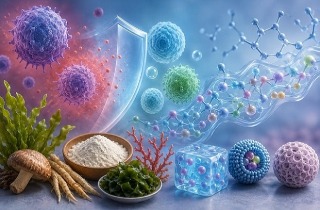
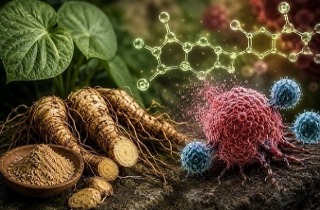
The team investigated extracellular vesicles extracted from Lycium barbarum, commonly known as goji berry or wolfberry. These microscopic particles naturally carry beneficial biological molecules and were tested as a non-invasive treatment for heart failure with preserved ejection fraction (HFpEF), a common form of heart failure that currently has limited treatment options.
A New Way to Deliver Heart Therapy
HFpEF affects millions of people worldwide, especially older adults. Although the heart continues pumping normally, it becomes stiff and struggles to relax between beats, making it difficult to fill with blood. This can lead to breathlessness, fatigue, and reduced quality of life.
Instead of injections, the researchers delivered the goji berry vesicles through a nebulizer, allowing the animals to inhale the treatment. Imaging studies showed that after entering the lungs, the tiny vesicles gradually moved into the bloodstream and accumulated inside heart tissue, reaching their highest levels about 12 hours after inhalation.
This Thailand
Medical News report highlights a potentially simple, non-invasive strategy that could eventually offer an alternative approach to treating chronic heart disease.
Remarkable Improvements in Heart Function
The study used mice with HFpEF induced by a high-fat diet and high blood pressure. Animals inhaled the goji-derived vesicles for 7, 14, or 21 days.
The results were impressive. The treatment reduced abnormal thickening of the heart muscle, improved the heart's ability to relax, lowered both systolic and diastolic blood pressure, and reduced excessive heart enlargement. The greatest improvements consistently occurred after three weeks of treatment.
Researchers also found less inflammation and significantly reduced collagen buildup, meaning the hearts developed less scarring and fibrosis. Microscopic examination revealed healthier heart muscle cells with far less structural damage than untreated animals.
Protecting Heart Cells from Death
One of the most important discoveries involved the treatment's ability to prevent cardiomyocyte apoptosis, the programmed death of heart muscle cells.
The goji berry vesicles reduced activity of the TP53 pathway, a major regulator of cell death that becomes overactive in damaged hearts. They also lowered levels of harmful proteins such as BAX while increasing protective BCL2, helping more heart cells survive.
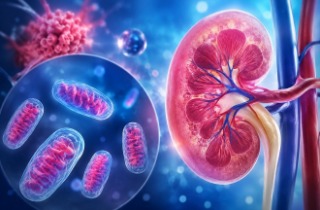
The treatment restored healthier mitochondrial function, preserving the energy-producing structures inside heart cells. Laboratory experiments confirmed that the vesicles directly entered heart cells and protected them against injury, while reducing markers associated with heart failure and muscle enlargement.
Additional Benefits Beyond the Heart
The therapy produced several unexpected benefits. Treated animals experienced lower fasting blood sugar, reduced body weight, lower white fat stores, and increased brown fat without eating less food. These findings suggest the treatment may improve overall metabolism while benefiting the heart.
Importantly, examinations of the lungs, liver, kidneys, and spleen found no obvious signs of toxicity or inflammation after repeated inhalation, supporting the safety of the approach in this animal study.
Looking Ahead
Although the findings are encouraging, the researchers stress that the work remains in the preclinical stage and has only been tested in mice. Human clinical trials will be needed to determine whether inhaled goji berry extracellular vesicles are safe and effective for people with HFpEF.
Conclusion
The study demonstrates that naturally derived extracellular vesicles from goji berries may represent an innovative non-invasive therapy capable of improving heart structure, reducing cell death, lowering blood pressure, improving metabolism, and slowing heart failure progression through multiple biological mechanisms. While further human studies are essential, these findings open an exciting new direction for plant-based nanomedicine in cardiovascular disease.
The study findings were published in the peer reviewed journal: Nutrients.
https://www.mdpi.com/2072-6643/18/15/2564
Read Also:
https://www.thailandmedical.news/articles/coronavirus
https://www.thailandmedical.news/articles/long-covid
Medical Disclaimer: All content published by Thailand Medical News is based on scientific research and is intended for informational and educational purposes only. It is not medical advice, diagnosis, or treatment. Readers must not attempt to use, apply, or experiment with any protocols, compounds, or therapies mentioned without first consulting a qualified and licensed medical doctor. Many findings discussed are experimental or preliminary, and only a licensed healthcare professional can determine what is safe and appropriate for an individual’s specific medical condition. 



 Share
Share
 Tweet
Tweet
 Share
Share