Nikhil Prasad Fact checked by:Thailand Medical News Team May 29, 2026 3 months, 4 days, 19 hours, 49 minutes ago
Medical News: Tuberculosis (TB) continues to be the world's leading infectious killer, causing an estimated 10.8 million infections and 1.25 million deaths globally in 2023. Although millions of people become infected with Mycobacterium tuberculosis (Mtb), only a fraction go on to develop active disease. Scientists have long struggled to understand why some individuals successfully keep the infection under control while others become seriously ill. New research from Trinity College Dublin has now identified a unique energy-related signature in immune cells that may help explain this difference.
 Researchers discover that the energy-producing capacity of monocytes may determine whether tuberculosis
remains controlled or progresses into active disease
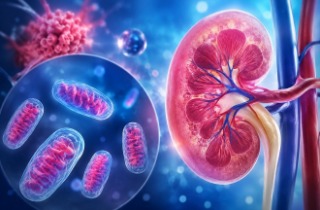
Researchers from the Trinity Translational Medicine Institute at Trinity College Dublin, Ireland, discovered that specialized immune cells known as monocytes display striking differences in how they generate and use energy depending on whether a person has latent TB infection or active TB disease. Their findings suggest that the ability of these immune cells to adapt their metabolism may be a crucial factor determining whether TB remains contained or progresses into active disease.
Immune Cells Show Distinct Metabolic Profiles
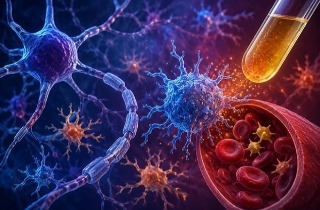
Monocytes are a vital part of the body's first line of defense against infections. They help destroy invading microbes, release signaling molecules that coordinate immune responses, and present infectious agents to other immune cells.
Using advanced techniques including high-dimensional flow cytometry, cytokine profiling, and SCENITH single-cell metabolic analysis, the researchers examined circulating monocytes from individuals with latent TB infection, active TB disease, and healthy controls.
The study covered in this
Medical News report, revealed that monocytes from people with latent TB possess remarkable metabolic flexibility. These cells were able to rapidly alter their energy production systems when exposed to TB bacteria, allowing them to mount stronger antibacterial responses. In contrast, monocytes from individuals with active TB displayed impaired metabolic adaptability and weaker immune responses.
Stronger Immune Defenses in Latent TB
The researchers found that monocytes from latent TB patients produced significantly stronger levels of key immune signaling molecules after exposure to Mtb. Among the most notable were IL-1RA, IL-17A, and CXCL9, molecules known to help recruit and activate immune cells involved in controlling infection.
Importantly, these monocytes demonstrated enhanced glycolytic activity. Glycolysis is a rapid energy-generating process that immune cells often rely upon when fighting infections. The ability to increase glycolysis appeared closely linked to the robust immune responses observed in individuals with latent TB.
By comparison, monocytes from active TB patients failed to effectively increase glycolysis when challenged by Mtb. This lack of metabolic plast
icity was accompanied by reduced production of protective cytokines and diminished immune functionality.
The study also identified reduced expression of HLA-DR, a critical molecule involved in antigen presentation, in monocytes from active TB patients. This finding suggests that these immune cells may be less capable of alerting the broader immune system to the presence of infection.
Treatment Partially Reverses Metabolic Dysfunction
Another important finding was that TB treatment appeared to partially restore normal cellular metabolism. Patients receiving treatment showed improvements in mitochondrial function, indicating that some of the metabolic damage associated with active disease may be reversible.
The researchers believe this discovery could have significant clinical implications. Current TB treatment regimens are lengthy and healthcare providers still lack reliable tools for monitoring treatment effectiveness in real time. Measuring monocyte metabolism may eventually provide a new way to track recovery and assess treatment responses more accurately.
A Potential Biomarker for Future TB Care
The findings add to growing evidence that immunometabolism—the relationship between immune function and cellular energy production—plays a critical role in infectious diseases. The study provides one of the clearest demonstrations to date that monocyte metabolism differs substantially between latent infection and active disease.
Researchers say that monocyte metabolic signatures could eventually serve as biomarkers for disease progression, treatment monitoring, and possibly even future vaccine development. They also believe that therapies designed to improve immune cell metabolism could emerge as a new strategy for preventing progression from latent infection to active TB disease.
Conclusion
The study provides compelling evidence that the way monocytes generate and utilize energy plays a major role in determining TB outcomes. Individuals with latent TB possess metabolically adaptable monocytes capable of mounting powerful immune responses, while those with active disease exhibit metabolic dysfunction and reduced immune effectiveness. The discovery that treatment can partially restore these metabolic pathways further highlights their clinical importance. These findings not only improve our understanding of how the immune system controls TB but also open the door to new diagnostic tools, treatment-monitoring strategies, and host-directed therapies aimed at preventing disease progression and improving patient outcomes. The study findings highlight a growing scientific consensus that immune cell metabolism may become one of the most important frontiers in future tuberculosis research.
The study findings were published in the peer reviewed Journal of Infection.
https://www.journalofinfection.com/article/S0163-4453(26)00080-0/fulltext
For the latest on Tuberculosis, keep on logging to Thailand
Medical News.
Read Also:
https://www.thailandmedical.news/articles/tuberculosis-tb-news




 Share
Share
 Tweet
Tweet
 Share
Share