Nikhil Prasad Fact checked by:Thailand Medical News Team Apr 03, 2026 4 months, 4 weeks, 1 day, 12 hours, 55 minutes ago
Medical News: A new scientific breakthrough suggests that natural compounds found in traditional medicinal plants could one day help fight dangerous viruses like the Nipah virus and human metapneumovirus. Researchers using advanced computer modeling have identified several plant-based molecules that show strong potential to block how these viruses infect human cells.
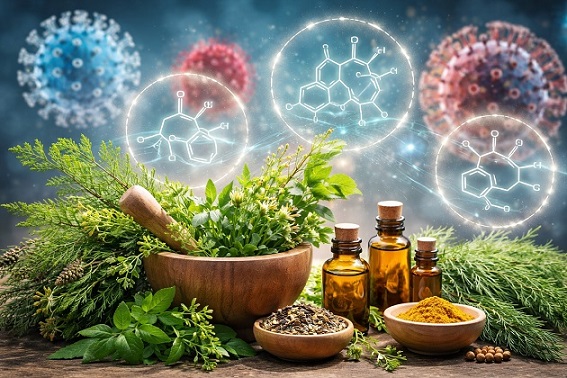 Natural plant compounds show promise in blocking dangerous viruses in early AI-driven research
Ancient Plants Meet Modern AI
Natural plant compounds show promise in blocking dangerous viruses in early AI-driven research
Ancient Plants Meet Modern AI
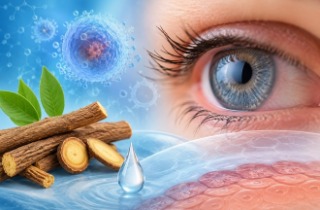
Scientists from multiple institutions including the University of Nottingham Malaysia, Wrocław University of Environmental and Life Sciences in Poland, University Malaysia Sabah, Liverpool John Moores University in the United Kingdom, Cergy Paris University in France, Fundação Oswaldo Cruz in Brazil, and Cairo University in Egypt collaborated on this study. Their work focused on three plants widely used in traditional medicine: Cleistanthus bracteosus, Artemisia scoparia, and Thuja orientalis.
Using artificial intelligence and molecular simulations, the team explored how natural compounds in these plants interact with key viral proteins. These proteins are crucial because they allow viruses to attach to and enter human cells, initiating infection.
Why These Viruses Matter
The Nipah virus is considered a serious global health threat due to its high fatality rate and ability to spread from animals to humans. Meanwhile, human metapneumovirus is a respiratory virus that affects people of all ages and can cause severe illness in young children and the elderly. Currently, there are no specific antiviral treatments approved for either virus.
Powerful Natural Compounds Identified
The study highlighted three standout plant compounds: digoxigenin, cedrene, and cedrol. These compounds demonstrated strong binding abilities to viral proteins, meaning they may be able to block the virus from attaching to human cells.
According to findings detailed in the study, digoxigenin showed the strongest interaction with viral targets, followed by cedrene and cedrol. These compounds even performed better than chloroquine, a drug often used as a reference in antiviral research.
Binding strength is important because the tighter a compound binds to a viral protein, the more likely it is to interfere with the virus’s ability to infect cells.
How the Study Was Conducted
Researchers used a technique called molecular docking, which simulates how molecules fit together - like a key in a lock. They also ran molecular dynamics simulations, which test how stable these interactions remain over time.
This
Medical News report highlights that the compounds maintained stable interactions with viral proteins throughout the simulations, suggesting they could be reliable candidates for further testing.
The study also evaluated how these compounds behave in the human body using
ADMET analysis (absorption, distribution, metabolism, excretion, and toxicity). Encouragingly, the compounds showed good absorption and low toxicity levels, indicating potential safety for future drug development.
Promising but Still Early
While the findings are exciting, it is important to note that this research was conducted entirely using computer simulations. No laboratory or human trials have been performed yet.
The researchers emphasized that further testing in living cells and clinical trials will be necessary to confirm whether these compounds can actually work as antiviral treatments.
Conclusion
This study opens an exciting new path in the search for antiviral treatments by combining traditional plant knowledge with cutting-edge artificial intelligence. The discovery that natural compounds like digoxigenin, cedrene, and cedrol may block critical viral proteins offers hope for developing new therapies against viruses that currently have no effective treatment. However, while the computational results are promising and scientifically robust, real-world validation through laboratory and clinical studies will be essential before these compounds can be considered safe and effective for human use.
The study findings were published in the peer reviewed journal: PLOS One.
https://journals.plos.org/plosone/article?id=10.1371/journal.pone.0346254
For the latest on herbs and phytochemicals as well as on antivirals, keep on logging to Thailand
Medical News.
Read Also:
https://www.thailandmedical.news/articles/herbs-and-phytochemicals
https://www.thailandmedical.news/articles/hmpv-human-metapneumovirus




 Share
Share
 Tweet
Tweet
 Share
Share