Nikhil Prasad Fact checked by:Thailand Medical News Team Jan 14, 2026 8 months, 3 weeks, 2 hours, 56 minutes ago
Medical News: Hidden metals shaping prostate cancer risk
A sweeping international review led by researchers from the Faculty of Health Sciences at Doornfontein Campus University of Johannesburg-South Africa suggests that small amounts of metals in the human body may play a far bigger role in prostate cancer than most people realize. The team sifted through 22 carefully screened case-control studies involving hundreds of men across Asia Europe Africa and Australia.
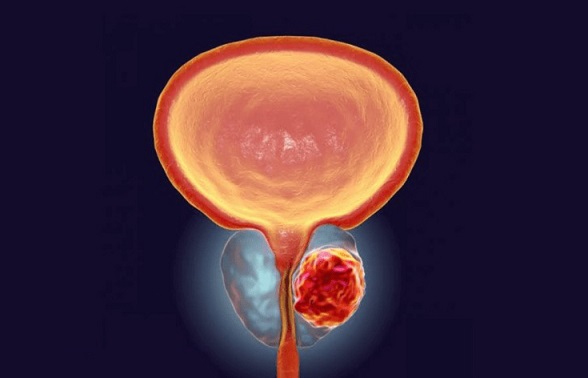 Heavy metal exposure and nutrient shortages may heighten prostate cancer risk according to a global review
Cadmium up zinc and selenium down
Heavy metal exposure and nutrient shortages may heighten prostate cancer risk according to a global review
Cadmium up zinc and selenium down
Across blood, urine, hair, nails and even prostate tissue samples - one signal kept emerging. Men with prostate cancer generally carried more of the toxic metal cadmium while showing lower levels of two vital nutrients zinc and selenium. These elements help protect cells from damage and support normal prostate function.
Cadmium is a heavy metal often found in polluted air, cigarette smoke, food grown in contaminated soil and industrial waste. It stays inside the body for decades and is known to fuel inflammation, oxidative stress and hormone disruption - processes that can nudge cells toward becoming cancerous.
Meanwhile zinc and selenium act like biological shields. Zinc supports DNA repair and prostate metabolism while selenium powers antioxidant enzymes that mop up harmful molecules. When their levels fall, the body loses part of its built-in defence system.
Other metals show mixed signals
This
Medical News report also noted weaker trends for several additional metals. Nickel, lead, mercury and arsenic tended to rise slightly in patients but did not consistently reach clear statistical importance across all countries. These elements also depend heavily on whether people are exposed through work, diet, smoking or contaminated environments.
Diverse global research strengthens conclusions
Studies included samples from Nigeria, Turkey, Saudi Arabia, India, Italy, Malaysia, Germany, Poland, Australia, Singapor,e Taiwan, Russia and Pakistan. Despite differences in lab methods and populations, most pointed in the same direction—cadmium high, zinc and selenium low.
What the findings mean
Experts caution that the studies cannot yet prove that metals directly trigger prostate cancer. They do however strongly suggest that exposure to cadmium combined with shortages of zinc and selenium may create ideal conditions for tumours to grow. Scientists now believe metal imbalances could become early warning markers or someday guide prevention strategies. But they stress that supplements are not a guaranteed solution and that reducing environmental cadmium exposure may ultimately be more effective.
Conclusion
The growing body of evidence paints a concerning picture. Many men with prostate cancer appear to be simultaneously burdened by a toxic metal and deprived of two
metals critical for cell protection. These trends have been seen across multiple countries sample types and research groups and fit well with what we know about how metals interact with DNA hormones and immunity. While more rigorous long-term studies are required the data suggest that protecting communities from cadmium pollution and ensuring adequate nutritional status could become important parts of prostate cancer prevention for future generations.
The study findings were published in the peer reviewed journal: Cancers.
https://www.mdpi.com/2072-6694/18/2/236
For the latest on prostate cancer, keep on logging to Thailand
Medical News.
Read Also:
https://www.thailandmedical.news/articles/cancer




 Share
Share
 Tweet
Tweet
 Share
Share

































