Nikhil Prasad Fact checked by:Thailand Medical News Team Jan 10, 2026 8 months, 3 weeks, 4 days, 1 hour, 10 minutes ago
Medical News: Heart Scars Have a Hidden Life
A major scientific review by researchers from the Department of Pathology and Laboratory Medicine and the Department of Internal Medicine at the College of Medicine University of Cincinnati reveals that the very cells that rush in to save the heart after injury can later turn against it and quietly drive heart failure.This
Medical News report explains how cardiac fibroblasts—tiny support cells scattered throughout the heart—shape whether a person recovers well after a heart attack or slowly develops chronic disease.
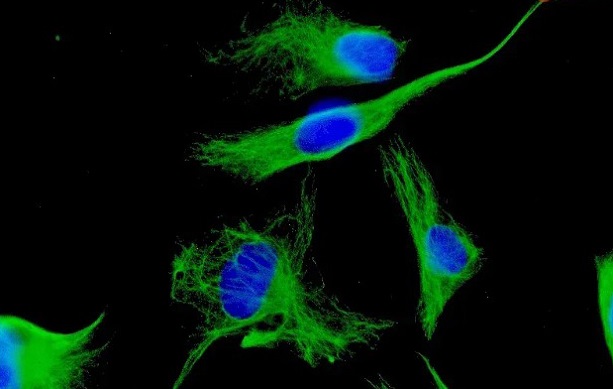
Scientists uncover how helpful heart cells turn harmful and may hold the tools for reversing deadly cardiac scarring
From Repair Crew to Problem Makers
After a heart attack, billions of heart muscle cells die and cannot regrow. Fibroblasts step in to protect the heart by producing a “patch” of tissue to stop the organ from tearing. In the early days, this response is life-saving. But the new review shows that these same fibroblasts do not all behave the same. Some remain calm and helpful while others transform into aggressive cells that build up stiff fibres, squeeze the heart tight and make it harder to pump blood. This stiffening is one of the key reasons many survivors of heart attacks later develop heart failure.
A Huge Discovery Fibroblast Diversity
Using the latest single-cell genetic technologies, scientists discovered that fibroblasts are surprisingly diverse. They found:
-Reparative fibroblasts that form temporary scaffolding and help build blood vessels
-Inflammatory fibroblasts that talk to immune cells and can fuel long-term swelling
-Matrifibroblasts, the most harmful group, which lay down collagen that becomes tough and nearly permanent
These discoveries overturn the old belief that fibroblasts are one simple cell type and show they constantly shift state depending on the signals around them.
New Strategies to Fight Heart Scarring
Treatments for heart failure today slow the disease but cannot reverse existing scar tissue. The review highlights several bold approaches that could change that future:
-Selective Shutdown
Instead of killing all fibroblasts, scientists aim to remove only the harmful ones. Experimental techniques include CAR-T cells—engineered immune cells that hunt and eliminate selected fibroblasts.
-Reprogramming Cells into Heart Muscle
Perhaps the most radical idea is turning fibroblasts into beating heart cells. By delivering special genes or micro-RNAs, researchers have already produced new muscle-like cells inside damaged hearts in animals.
-Drugging the Switches
Researchers are mapping which chemical signals flip fibroblasts from friendly to harmful. Blocking only the damaging signals could allow healing without long-term scar buildup.
t;A Turning Point for Treatment
The conclusion of the review is hopeful but realistic. It warns that scientists must learn to target the right fibroblasts at the right time. Some scarring is necessary to survive a heart attack, but if researchers can prevent the fibrosis from becoming chronic—or even reverse it—millions of patients could keep stronger, healthier hearts. It will take smarter drugs, precise timing, safer delivery tools and deeper understanding of fibroblast behaviour to move from discovery to real-world cures, but the evidence suggests the heart is not doomed to permanent scarring and that its own cells may hold the key to true recovery.
The study findings were published in the peer reviewed journal: Cells.
https://www.mdpi.com/2073-4409/15/2/112
For the latest on Heart Health, keep on logging to Thailand Medical News.
Read Also:
https://www.thailandmedical.news/articles/cardiology




 Share
Share
 Tweet
Tweet
 Share
Share

































