Nikhil Prasad Fact checked by:Thailand Medical News Team Dec 08, 2025 9 months, 3 weeks, 6 days, 27 minutes ago
Medical News: Phytochemicals in Soy May Offer New Hope in Cancer Treatment
Scientists from the Fluminense Federal University in Brazil have uncovered exciting new insights into how natural compounds known as isoflavones—found in soybeans and similar plants—could help fight cancer more effectively. These plant-based molecules act like mild versions of human estrogen and can interact with certain cell receptors to stop tumor growth and even kill cancer cells. This
Medical News report explores the most recent findings gathered over the past ten years, highlighting both lab and animal studies that show how promising these natural agents could be when used alone or alongside chemotherapy.
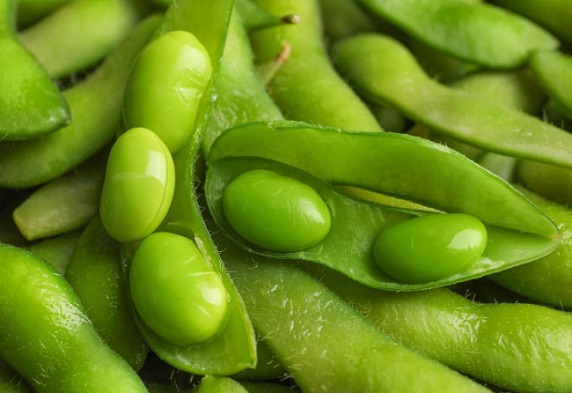 Soy-derived isoflavones like genistein and daidzein show strong anticancer effects in lab and animal studies.
What Are Isoflavones and Where Do They Come From
Soy-derived isoflavones like genistein and daidzein show strong anticancer effects in lab and animal studies.
What Are Isoflavones and Where Do They Come From
Isoflavones are natural chemicals found mainly in soybeans and legumes like red clover and alfalfa. The most famous types include genistein, daidzein, and biochanin A. These compounds are known as phytoestrogens—plant-based chemicals that act like estrogen in the body. Because of this, they have a unique ability to interact with hormone-related cancer cells, especially in breast and prostate cancer.
How Isoflavones Fight Cancer Cells
The researchers reviewed over 1,000 studies and focused on the most reliable ones that showed repeated anticancer results. According to their findings, isoflavones work in several ways to destroy cancer cells or stop them from spreading. These include:
-Causing cancer cells to self-destruct through a process called apoptosis
-Disrupting the cell’s ability to grow and divide
-Generating harmful oxidative stress inside tumor cells
-Blocking blood vessels from feeding tumors (antiangiogenic effects)
-Preventing cancer cells from migrating and invading new tissues
Among the many isoflavones tested, genistein was the most researched. It showed success in killing breast, prostate, liver, colon, and ovarian cancer cells, especially when combined with chemotherapy drugs or delivered using special nanotechnology. Daidzein also showed promise, especially when working alongside other compounds to increase drug sensitivity or block cancer spread. Another isoflavone, equol, produced by gut bacteria from daidzein, proved especially effective against prostate tumors in mice.
Real-World Potential and Animal Studies
Some of the most exciting results came from animal studies. Genistein-based nanoparticles reduced liver tumor sizes by over 65% in mice. Equol also cut prostate tumor volume by half. Another compound, daidzin, enhanced the power of the common chemo drug cisplatin, shrinking bone tumors by 90% in animal models.
Conclusion
These natural soy-based compounds are not only safe but show multiple w
ays to fight cancer—from stopping cell growth to making existing treatments more effective. While more human studies are needed, the results from the past decade strongly support the idea of using isoflavones as powerful tools in cancer therapy. Their ability to act on multiple pathways gives them an edge, especially when fighting cancers that are resistant to traditional drugs.
The study findings were published in the peer reviewed journal: Biomedicines
https://www.mdpi.com/2227-9059/13/12/2990
For the latest on Herbs and Phytochemicals, keep on logging to Thailand
Medical News.
Read Also:
https://www.thailandmedical.news/articles/herbs-and-phytochemicals
https://www.thailandmedical.news/articles/cancer




 Share
Share
 Tweet
Tweet
 Share
Share

































