Nikhil Prasad Fact checked by:Thailand Medical News Team Jan 15, 2026 7 months, 2 weeks, 4 days, 10 hours, 59 minutes ago
Medical News: A Forgotten Medicine Finds a New Mission
An older medicine with a long medical history is now gaining worldwide attention as researchers uncover its surprising potential to treat Bachmann-Bupp syndrome or BABS - an ultrarare and life-threatening genetic disorder that currently has no approved therapy. This
Medical News report explores how a familiar drug may become the first real treatment option for children and families long left with no answers.
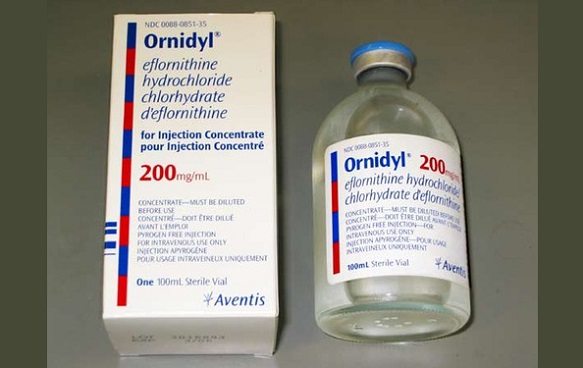 A longtime medicine shows new promise against ultrarare BABS
This breakthrough effort is being led by teams from Corewell Health, Michigan State University, and the nonprofit biotech partner Every Cure.
Understanding a Mysterious Disease
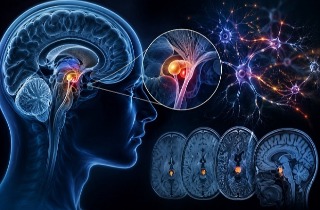
Bachmann-Bupp syndrome stems from damaging gain-of-function mutations in the ODC1 gene which trigger runaway activity of the ornithine decarboxylase enzyme. This biochemical overload disrupts brain development and causes severe symptoms including developmental delays, extremely low muscle tone and dramatic hair loss. Fewer than 20 cases have ever been confirmed making diagnosis difficult and treatment even harder.
Scientists across Corewell Health and Michigan State University College of Human Medicine realized that difluoromethylornithine also called DFMO or eflornithine could work against the disorder because the medication directly blocks the ODC enzyme. DFMO has already been widely used for West African sleeping sickness and later for reducing unwanted facial hair and preventing relapse in neuroblastoma giving researchers decades of safety data to build upon.
Real Patients See Real-world Improvements
Several children with BABS are receiving DFMO under a special FDA pathway that allows individual patients to access medications not yet approved for their disease. Doctors reported that many treated children are improving in ways once believed impossible including gains in strength steadier physical control better developmental progress and more stable daily functioning.
The discovery linked decades of basic science work by MSU pediatrics professor Dr André Bachmann with clinical detective work by pediatric geneticist Dr Caleb Bupp of Corewell Health Helen DeVos Children’s Hospital. Their combined expertise allowed the first patient to receive DFMO and opened the door to five additional cases with encouraging early responses.
Removing Roadblocks to Progress
Despite hopeful results momentum slowed because of regulatory hurdles low disease awareness and the steep challenge of designing a clinical trial for a disorder with only a handful of known patients. Although the US Food and Drug Administration supports trial development the resources and infrastructure needed to launch one were limited.
Every Cure entered to fill those gaps by coordinating research planning raising physician awareness supporting study design and helping ensure that no child with BABS is missed or untreated simply because the condition is rare or poorly unde
rstood.
A Blueprint for Rare Disease Treatment
The collaboration highlights how repurposing safe FDA-approved drugs can deliver lifesaving therapies faster than traditional drug development especially for extremely small patient populations.
Conclusion
While research continues early signs show that DFMO can dampen the harmful enzyme activity at the core of BABS and meaningfully improve symptoms that once seemed permanent. If future trials confirm these results FDIMO could become the first targeted treatment for Bachmann-Bupp syndrome and set a powerful example for tackling other neglected rare diseases where time money and patient numbers are limited yet hope remains vital.
The study findings were published in the peer reviewed American Journal of Medical Genetics.
https://onlinelibrary.wiley.com/doi/10.1002/ajmg.c.32138
For the latest on repurposing old news for specific diseases, keep on logging to Thailand
Medical News.
Read Also:
https://www.thailandmedical.news/articles/med-news




 Share
Share
 Tweet
Tweet
 Share
Share