Nikhil Prasad Fact checked by:Thailand Medical News Team Feb 13, 2026 6 months, 2 weeks, 3 days, 4 hours, 20 minutes ago
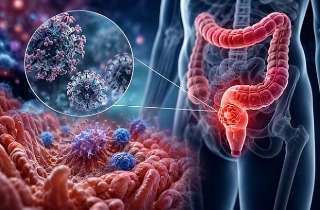
Medical News: A new scientific review is raising fresh alarm over a silent threat hiding in common foods across the world. Researchers from the National Cancer Institute in the United States, the All India Institute of Medical Sciences, the Johns Hopkins Bloomberg School of Public Health, and the Postgraduate Institute of Medical Education and Research have published an in-depth analysis warning that aflatoxins—dangerous toxins produced by certain molds—are continuing to cause serious disease worldwide, particularly liver cancer.
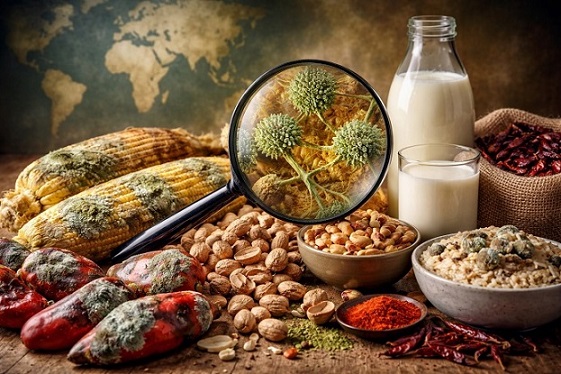 A new global review warns that hidden food toxins are driving rising liver cancer risks worldwide
What Are Aflatoxins and Why Should You Care
A new global review warns that hidden food toxins are driving rising liver cancer risks worldwide
What Are Aflatoxins and Why Should You Care
Aflatoxins are poisonous chemicals made by fungi that grow on crops such as maize, groundnuts, rice, wheat, spices, and tree nuts. These toxins are invisible, odorless, and tasteless. Cooking does not destroy them. That means contaminated food can look perfectly normal.
The review highlights that up to 80 percent of agricultural products globally may be contaminated with mycotoxins, with aflatoxin B1 being the most dangerous. An estimated 4.5 billion people live in regions where long-term exposure risk is high.
The problem is most severe in tropical and subtropical regions where heat and humidity allow mold to thrive. Poor storage conditions after harvest make the situation worse. Even milk can contain a metabolized form called aflatoxin M1 if cows consume contaminated feed.
Liver Cancer Risk Is Strong and Proven
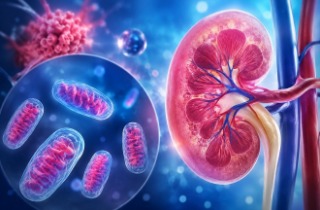
The strongest link is between aflatoxin exposure and liver cancer, specifically hepatocellular carcinoma. The researchers explain that aflatoxin B1 damages DNA by forming toxic adducts that trigger mutations. It also causes oxidative stress, weakens immune defenses, and disrupts mitochondria.
Importantly, aflatoxin works synergistically with hepatitis B virus. People infected with hepatitis B who are also exposed to aflatoxin face dramatically higher liver cancer risks. Some studies show the combined risk multiplies many times over compared to either factor alone.
Based on global estimates, about 17 percent of liver cancer cases may be attributable to aflatoxin exposure. In certain African and Asian regions, blood testing has shown that up to 100 percent of people studied had detectable aflatoxin-albumin adducts, meaning recent exposure.
Emerging Evidence Beyond Liver Cancer
The review also points to growing evidence linking aflatoxin to gallbladder cancer. Studies from Chile, China, and India have detected significantly higher aflatoxin markers in patients with gallbladder cancer compared to controls. Molecular analyses have identified specific mutation signatures consistent with aflatoxin damage.
Beyond cancer, acute high exposure can cause aflatoxicosis, a life-threatening condition marked by jaundice, vomiting, swelling, and liver failure. Chronic exposure has been associated with stunted growth in children, low birthweight, immune suppression, and possibly infertility in men.
Children appear especially vulnerable. Studies have linke
d higher aflatoxin levels to malnutrition disorders such as kwashiorkor and to lower levels of important vitamins.
Global Exposure Patterns
Blood biomonitoring studies show dramatic differences across regions. In parts of West and East Africa and South Asia, detection rates remain extremely high even in recent years. In contrast, Europe and North America generally report lower population-wide exposure, although climate change and global food trade are altering risk patterns.
The authors emphasize that even countries with strict regulatory limits are not immune. Rising temperatures and extreme weather may expand fungal growth zones into new territories.
The One Health Solution
This
Medical News report underscores that prevention must begin at the farm and extend all the way to the consumer’s plate.
The researchers argue that tackling aflatoxin requires a “One Health” approach. This means coordinating agriculture, animal health, food safety, environmental management, and human medicine.
Solutions include better crop drying and storage, biological control methods to reduce toxic fungal strains, advanced detection technologies such as electrochemical biosensors, and improved human biomonitoring tools like blood spot assays. Artificial intelligence systems are also being tested to improve detection and predict contamination risks.
Conclusion
The findings make it clear that aflatoxin exposure remains a major yet under-recognized global health threat. It contributes significantly to liver cancer and possibly other serious diseases, particularly in low-resource settings where food monitoring systems are weak. While regulatory standards exist, enforcement gaps, climate change, and global trade continue to sustain widespread exposure.
A coordinated global prevention strategy that integrates agriculture, food safety, medical surveillance, and technological innovation is urgently needed to reduce the burden of aflatoxin-related disease and protect future generations.
The study findings were published in the peer reviewed journal: Toxins.
https://www.mdpi.com/2072-6651/18/2/90
For the latest on aflatoxins, keep on logging to Thailand
Medical News.
Read Also:
https://www.thailandmedical.news/articles/cancer




 Share
Share
 Tweet
Tweet
 Share
Share