Nikhil Prasad Fact checked by:Thailand Medical News Team Feb 22, 2026 5 months, 17 hours, 48 minutes ago
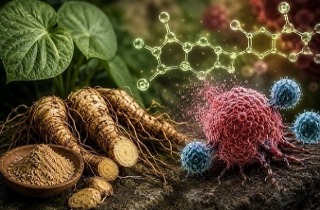
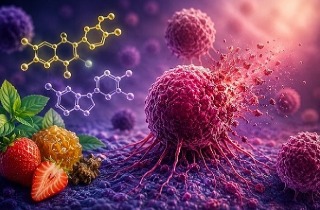
Medical News: Colorectal cancer is one of the most common cancers worldwide and continues to place a heavy burden on patients and healthcare systems. While modern treatments such as chemotherapy and radiation have improved survival, they often come with side effects and do not always stop disease progression. Scientists are now increasingly turning to natural compounds that might help reduce cancer-related damage while supporting the body’s natural defenses. A new experimental study has revealed promising results involving two natural substances — shikonin and Teucrium polium extract — which may help protect tissues and reduce harmful biological changes linked to colorectal cancer.
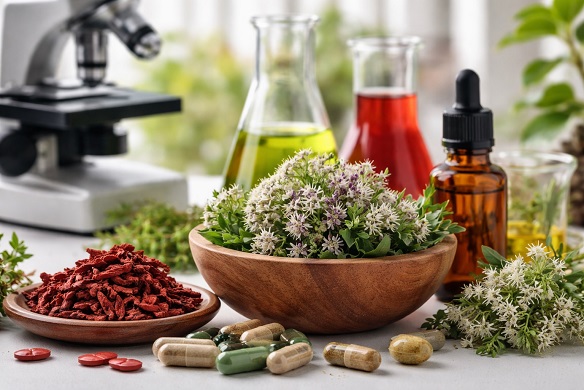 Scientists discover natural plant compounds that may help reduce colon cancer-related tissue damage and inflammation
International Research Team Behind the Study
Scientists discover natural plant compounds that may help reduce colon cancer-related tissue damage and inflammation
International Research Team Behind the Study
The research was conducted by scientists from the Medical and Diagnostic Research Centre and Department of Biology at the University of Ha’il in Saudi Arabia, the Faculty of Medicine of Tunis at the University of Tunis El Manar in Tunisia, the Laboratory of Pharmacology and Department of Biology at the University of Sfax in Tunisia, the College of Sciences at Imam Muhammad Ibn Saud Islamic University in Saudi Arabia, and the Department of Chemistry at the University of Ha’il. Their combined expertise focused on understanding whether plant-derived compounds could provide measurable protection against cancer-related damage.
How the Study Was Designed
Researchers used a well-established animal model where colorectal cancer was induced using a chemical known to trigger tumor-like changes. The animals were divided into different groups, with some receiving shikonin and others receiving Teucrium polium extract for several weeks. Scientists then examined tissue samples, blood chemistry, oxidative stress markers, and inflammation-related pathways to understand how the treatments influenced disease progression.
Major Findings Show Protective Effects
The untreated cancer group showed severe tissue damage in the colon, including inflammatory lesions, abnormal cell structures, and early pre-cancerous changes. In addition, the animals experienced oxidative stress — a harmful process where unstable molecules attack healthy cells — which contributed to worsening tissue injury. Liver function markers and cholesterol profiles were also disrupted, showing that colorectal cancer can negatively affect multiple organs.
Treatment with both natural compounds led to clear improvements. Oxidative stress levels were reduced, antioxidant defenses were strengthened, and colon tissues showed fewer abnormal changes. The extract from Teucrium polium appeared especially effective in reducing structural damage and inflammation, while shikonin showed stronger effects in restoring digestive enzyme balance. Although neither treatment fully returned the animals to normal healthy levels, the improvements were significant and consistent across multiple biological measurements.
Understanding the Science Behind the Benefits
To explore how these compounds work, researchers performed computational
analyses to examine interactions between the plant molecules and key inflammation-related proteins. The findings showed strong binding to proteins such as COX-2, TNF-alpha, and IL-6, which are widely known to drive inflammation and cancer progression. This suggests that the compounds may help slow disease processes by interfering with harmful molecular signaling pathways.
Why These Results Matter
This
Medical News report highlights the growing scientific interest in plant-based compounds as supportive therapies for complex diseases like cancer. While these findings are still preclinical and not yet tested in humans, they provide valuable early evidence that natural substances could complement conventional treatments by reducing inflammation, protecting tissues, and improving metabolic stability.
Conclusion
The study demonstrates that shikonin and Teucrium polium extract can significantly reduce several harmful effects associated with colorectal cancer in experimental models. Their antioxidant properties, ability to improve tissue health, and interaction with major inflammatory pathways suggest strong potential for future therapeutic development. Although human trials are needed before clinical use, these findings open important new directions for safer, plant-based complementary strategies in colorectal cancer management.
The study findings were published in the peer reviewed journal: Scientific African.
https://www.sciencedirect.com/science/article/pii/S2468227626000967
For the latest research on colon cancer, keep on logging to Thailand
Medical News.
Read Also:
https://www.thailandmedical.news/articles/herbs-and-phytochemicals
https://www.thailandmedical.news/articles/cancer




 Share
Share
 Tweet
Tweet
 Share
Share