Nikhil Prasad Fact checked by:Thailand Medical News Team Mar 22, 2026 5 months, 1 week, 4 days, 9 hours, 1 minute ago
Medical News: A surprising new study has revealed that a well-known heart medication may hold powerful protective effects against serious liver damage. Researchers have found that ivabradine, a drug typically used to treat heart conditions, can significantly reduce liver fibrosis, a dangerous condition that can lead to cirrhosis and liver failure.
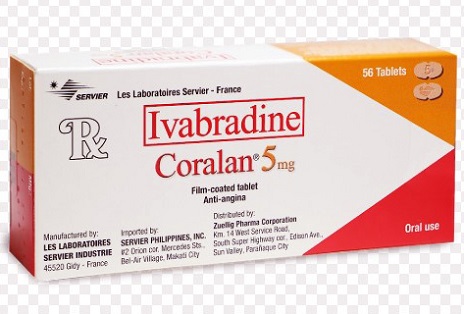 Common heart drug found to dramatically reduce liver scarring and inflammation in new study
Understanding Liver Fibrosis
Common heart drug found to dramatically reduce liver scarring and inflammation in new study
Understanding Liver Fibrosis
Liver fibrosis occurs when the liver is repeatedly damaged, causing scar tissue to build up. Over time, this scarring can disrupt normal liver function and eventually lead to life-threatening complications. Despite its severity, effective treatments for fibrosis remain limited, making new discoveries especially important.
In this
Medical News report, we cover how scientists explored whether ivabradine could help protect the liver from such damage using an experimental model. The research was conducted by scientists from the Department of Pharmacology and Toxicology, Faculty of Pharmacy, Mansoura University, Mansoura, Egypt.
How the Study Was Conducted
Researchers used laboratory rats and exposed them to a chemical known to cause liver fibrosis. The animals were then treated with different doses of ivabradine over six weeks. The goal was to observe whether the drug could prevent or reduce liver damage.
The results were striking. Rats that received the harmful chemical alone showed severe liver injury, including inflammation, scarring, and major disruptions in liver function. However, those treated with ivabradine showed clear improvements.
Major Improvements in Liver Health
One of the most important findings was the dramatic reduction in liver enzyme levels. These enzymes typically rise when the liver is damaged. Ivabradine lowered these levels by up to 55 percent, suggesting strong protection against injury.
Microscopic examination of liver tissue revealed even more encouraging results. While untreated rats showed heavy scarring and structural damage, those given ivabradine displayed much healthier liver architecture. Collagen buildup, a key marker of fibrosis, was reduced by up to 80 percent in animals receiving higher doses.
Fighting Inflammation and Oxidative Stress
The study also showed that ivabradine helps reduce inflammation, which plays a major role in liver damage. Harmful molecules linked to inflammation were significantly lowered, while protective antioxidant levels were restored.
Oxidative stress, a process that damages cells, was also greatly reduced. The drug helped rebalance the body’s natural defense systems, allowing the liver to recover more effectively.
Blocking Key Damage Pathways
Scientists discovered that ivabradine works by targeting several important biological pathways involved in fibrosis. It suppressed signals that promote scarrin
g, including TGF-beta, which increased dramatically in untreated animals but dropped by up to 85 percent with treatment.
Additionally, markers of cell death were reduced, while protective proteins increased. This means the drug not only prevents damage but also helps liver cells survive and recover.
Conclusion
The findings suggest that ivabradine could be far more than just a heart medication. It appears to act on multiple harmful processes at once, including inflammation, oxidative stress, and tissue scarring. By interrupting these damaging cycles, the drug offers a powerful protective effect on the liver. While these results are based on animal studies, they provide strong evidence that ivabradine could become a promising treatment for liver fibrosis in humans, pending further clinical research.
The study findings were published in the peer reviewed journal: Pharmaceuticals
https://www.mdpi.com/1424-8247/19/3/504
For more on treating liver fibrosis, keep on logging to Thailand
Medical News
Read Also:
https://www.thailandmedical.news/articles/med-news




 Share
Share
 Tweet
Tweet
 Share
Share