Nikhil Prasad Fact checked by:Thailand Medical News Team Apr 02, 2026 5 months, 10 hours, 47 minutes ago
Medical News: A widely used class of cholesterol-lowering drugs may hold an unexpected benefit- significantly reducing the risk of primary liver cancer. New research analyzing hundreds of thousands of patients suggests that statins could play a powerful preventive role, even beyond their known cardiovascular advantages.
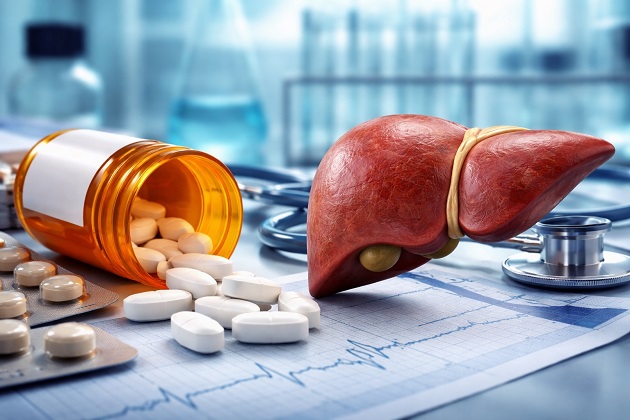 Common cholesterol drugs may significantly lower liver cancer risk when used at higher doses
Massive Study Reveals Strong Protective Effect
Common cholesterol drugs may significantly lower liver cancer risk when used at higher doses
Massive Study Reveals Strong Protective Effect
Researchers conducted a large-scale, 10-year retrospective study involving 329,577 patients with metabolic-dysfunction-associated steatotic liver disease (MASLD), a condition closely linked to obesity, diabetes, and fatty liver. The data was drawn from U.S. Veterans Affairs electronic health records, making it one of the most comprehensive analyses of its kind.
The study team included scientists from Duke University Medical Center, Vanderbilt University Medical Center, VA Tennessee Valley Healthcare System, Durham VA Medical Center, University of Michigan, Case Western Reserve University, Mayo Clinic, and the Veterans Health Administration.
Over nearly a decade of follow-up, only 0.82 percent of participants developed primary liver cancer. However, those who used statins showed a significantly lower risk compared to non-users.
Clear Dose-Dependent Protection
One of the most striking findings was that the protective effect increased with higher statin exposure. Patients taking higher doses - equivalent to more than 40 mg of simvastatin daily - experienced the greatest reduction in cancer risk.
Importantly, this benefit remained even after accounting for factors like age, diabetes, metabolic syndrome, and cirrhosis. This suggests that statins may reduce cancer risk through mechanisms beyond simply preventing liver damage. This
Medical News report highlights that even after adjusting for cirrhosis development during the study, the cancer-protective effect of statins remained strong. This points to additional biological pathways at work, possibly involving anti-inflammatory or anti-tumor effects within the liver.
Not Just About Duration - Dose Matters More
Interestingly, researchers found that how long patients took statins was less important than how much they took. Duration alone did not significantly reduce cancer risk unless accompanied by sufficient dosage.
This challenges earlier assumptions and suggests that “high-intensity” statin therapy may be necessary for meaningful cancer prevention benefits.
Consistent Benefits Across Patient Groups
Another important finding was that statins appeared to work equally well across different patient groups. The protective effect did not significantly vary by age, metabolic condition, or liver disease stage.
Although the study population was mostly male, limiting conclusions about women, the results still suggest a broadly consistent benefi
t across diverse patient profiles.
Additionally, certain statins such as atorvastatin and rosuvastatin appeared to offer stronger protection compared to others like simvastatin.
Why This Matters
Liver cancer is one of the deadliest cancers worldwide and is increasing rapidly due to rising obesity and diabetes rates. MASLD is now a leading cause of liver cancer, often developing silently without symptoms or even cirrhosis.
Currently, there are limited effective strategies to prevent liver cancer in these patients. The possibility that an already widely prescribed, affordable drug could reduce risk is a major breakthrough.
Study Limitations and Future Directions
Despite its strengths, the study has limitations. It relied on prescription records rather than confirmed medication adherence, and the population was largely male veterans. Some lifestyle factors, such as smoking, were not included in the analysis.
Still, the findings provide strong evidence that statins could be repurposed as a preventive therapy against liver cancer, pending further clinical trials.
Conclusion
The study presents compelling evidence that statins may significantly reduce the risk of primary liver cancer in patients with metabolic liver disease, especially when used at higher doses. The protective effect appears independent of age, disease severity, or metabolic status, suggesting a robust and potentially universal benefit. While more research is needed to confirm these findings in broader populations, the results open the door to a promising new use for an already widely available medication, offering hope in the fight against one of the world’s most lethal cancers.
The study findings were published in the peer reviewed journal: Cancers.
https://www.mdpi.com/2072-6694/18/7/1132
For the latest on preventing or treating liver cancer, keep on logging to Thailand
Medical News.
Read Also:
https://www.thailandmedical.news/articles/cancer
https://www.thailandmedical.news/articles/med-news




 Share
Share
 Tweet
Tweet
 Share
Share