Nikhil Prasad Fact checked by:Thailand Medical News Team Dec 05, 2025 7 months, 3 weeks, 22 hours, 39 minutes ago
Medical News: A New Concern Emerging in the Post-COVID Era
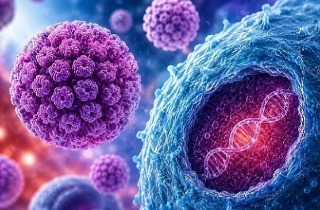
A new scientific review from researchers at the Department of Physiological Sciences at Stellenbosch University and the CancerCare Cape Gate Oncology Centre is raising urgent concerns about how lingering effects of COVID-19 may influence cancer development and treatment. Their work examines how the SARS-CoV-2 spike protein, which can remain in the body long after infection, continues to stir up inflammation and interfere with the immune system. These disruptions may create conditions that help cancers grow, reawaken dormant cancer cells or reduce the effectiveness of modern immunotherapy treatments. These findings, highlighted in this
Medical News report, reveal why Long COVID is now viewed as more than a lingering viral illness.
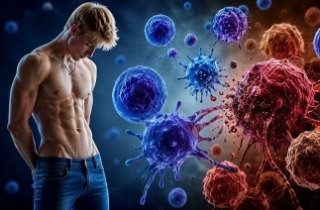
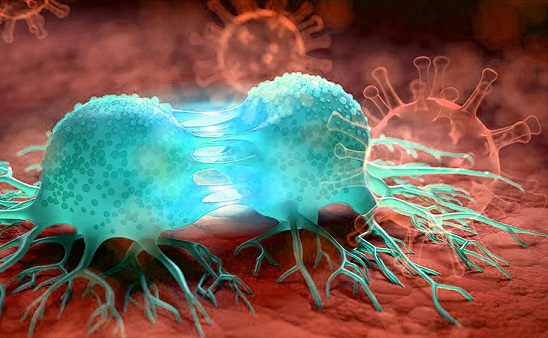 Scientists warn lingering spike protein and Long COVID inflammation may raise cancer risks and
weaken immunotherapy response
How Long COVID Inflammation Resembles the Tumor Environment
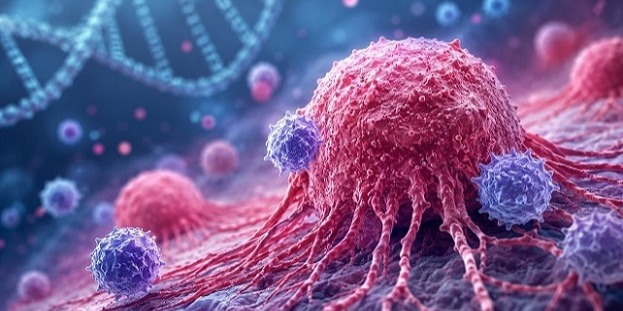
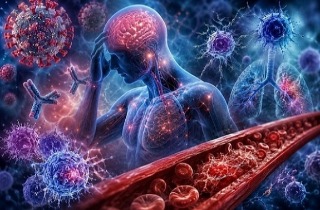
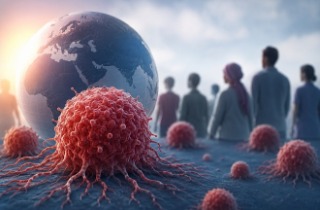
According to the researchers, the spike protein can activate toll-like receptors inside immune cells, triggering powerful inflammatory pathways involving IL-6, IL-1β, TNF-α and NF-κB. These same molecules are well known to drive tumor progression. The study explains that this ongoing low-grade inflammation strongly resembles the tumor microenvironment, a biological setting where immune cells become exhausted or suppressed. In this weakened state, the immune system struggles to properly identify and eliminate cancer cells, giving tumors more room to develop or spread.
Why Persistent Spike Protein May Increase Cancer Recurrence
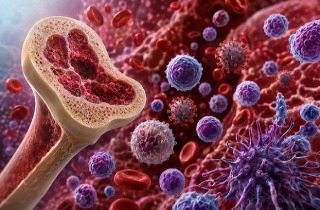
One of the most concerning findings is that the spike protein may linger in certain tissues and immune cells for many months. During that time, its presence keeps the body in a state of chronic alert. This prolonged activity can cause oxidative stress, immune exhaustion and tissue hypoxia, all of which can push dormant cancer cells back into an active state. Dormant cells are especially dangerous because they can remain unnoticed for years before suddenly restarting growth. The researchers also point out that Long COVID has been linked to the reactivation of latent viruses such as Epstein–Barr virus, known for its role in several cancers. When viral reactivation and chronic inflammation occur together, the risk of cancer progression may rise significantly.
How COVID-19 Disrupts Immunotherapy Treatments
Modern cancer treatments such as immune checkpoint inhibitors depend on a finely balanced immune system. The review warns that chronic inflammation caused by Long COVID may reduce the effectiveness of these therapies and increase the likelihood of treatment-related complications. Some studies show that patients with elevated inflammatory markers respond less effectively to immunotherapy, while others suggest that carefully timed treatment remains safe. The researchers emphasize that patients recovering from COVID-19 may require closer monitoring before and during immunotherapy to ensure safe and effective outcomes.
A New
Direction for Cancer Care in the Post-COVID World
The team proposes that doctors may soon need to incorporate immune screening tools to detect inflammation, immune exhaustion and possible spike protein persistence before beginning immunotherapy. They also outline several treatment strategies that could help stabilize the immune system, including anti-inflammatory therapies, metabolic regulators and drugs that block harmful signaling pathways. Their work highlights that cancer care may increasingly depend on personalized treatment plans that consider each patient’s past viral exposures and immune health.
Looking Forward
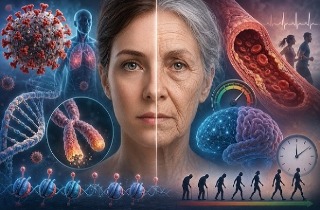
This research underscores a growing understanding that COVID-19 may leave long-lasting biological footprints that influence cancer risk and treatment. Immune exhaustion, chronic inflammation and potential spike protein persistence create a complex landscape that modern oncology must now navigate. As cancer specialists adapt to this new reality, more emphasis will be placed on monitoring inflammatory patterns, tailoring therapy schedules and exploring combination treatments that help protect vulnerable patients. The findings point toward a future in which precision-guided cancer care becomes essential for improving outcomes in a world still shaped by COVID-19.
The study findings were published in the peer reviewed journal: Cytokine & Growth Factor Reviews
https://www.sciencedirect.com/science/article/pii/S1359610125001583
For the latest COVID-19 news, keep on logging to Thailand
Medical News.
Read Also:
https://www.thailandmedical.news/articles/coronavirus
https://www.thailandmedical.news/articles/long-covid
https://www.thailandmedical.news/articles/cancer




 Share
Share
 Tweet
Tweet
 Share
Share