Nikhil Prasad Fact checked by:Thailand Medical News Team Mar 06, 2026 4 months, 2 weeks, 6 days, 21 hours, 42 minutes ago
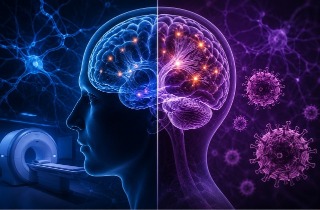
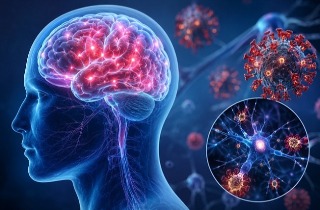
Medical News: A new scientific study is shedding light on why many people continue to experience neurological and psychological problems long after recovering from COVID-19. Researchers have discovered that a fragment of the SARS-CoV-2 spike protein can directly trigger inflammation in the brain through a potassium channel known as Kv1.3, potentially contributing to symptoms such as anxiety, depression, and brain fog.
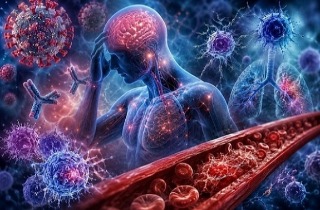
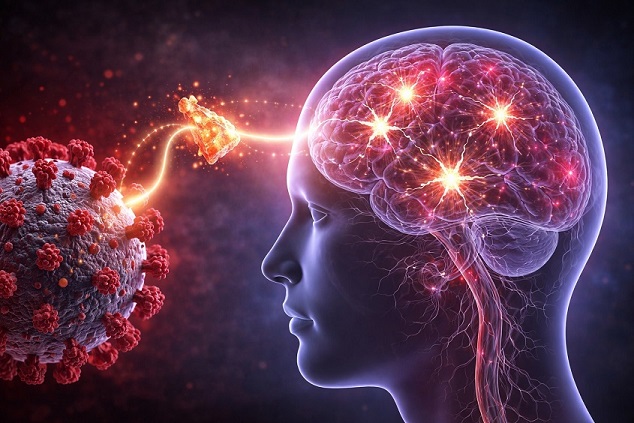 Scientists discover SARS-CoV-2 spike protein activates brain inflammation through the Kv1.3 potassium channel linked
to anxiety and depression-like symptoms.
The study was conducted by scientists from the Department of Physiology and Dental Research Institute at Seoul National University School of Dentistry in Seoul, Republic of Korea, along with researchers from the Department of Physiology at Kangwon National University School of Medicine in Chuncheon, Republic of Korea.
Spike Protein Alone Can Activate Brain Immune Cells
COVID-19 is best known for damaging the lungs, but growing evidence shows that the virus can also affect the brain. Many patients report persistent neurological issues months after infection, a condition often referred to as long-COVID.
In the new research, scientists focused on the S1 subunit of the SARS-CoV-2 spike protein, which is the portion responsible for attaching the virus to human cells. Even without the entire virus present, this spike protein fragment was able to activate immune cells in the brain known as microglia.
Microglia act as the brain’s first line of defense against infections and injury. However, when these cells become overly activated, they release inflammatory substances that can disrupt normal brain function.
The researchers discovered that exposure to the S1 protein dramatically increased activity in a potassium channel called Kv1.3 inside microglial cells. When this channel becomes highly active, microglia enlarge and begin releasing inflammatory chemicals such as IL-1β and TNF-α, both strongly linked to neuroinflammation.
A Specific Brain Region Appears Highly Vulnerable
The study revealed that the inflammatory effects were particularly strong in a region of the brain known as the lateral septum. This area plays a critical role in controlling emotional responses, stress reactions, and anxiety.
When mice were exposed to the spike protein, researchers observed clear signs of microglial activation in this region. The microglial cells became larger and more reactive, while the activity of the Kv1.3 potassium channel increased significantly.
These biological changes were accompanied by noticeable behavioral shifts. Mice became less mobile, spent more time remaining still, and avoided open areas during behavioral tests. Scientists interpret these behaviors as signs of anxiety-like responses.
In addition, some mice showed signs of depressive-like behavior, including a reduced preference for sweetened water, which is widely used in research to measure loss of pleasure.
An Existing Drug Shows Protective Effects
The researchers also investigat
ed whether an existing medication could reduce these effects. They tested chlorpromazine, a long-established antipsychotic drug commonly used to treat schizophrenia and certain mood disorders.
Remarkably, mice that received chlorpromazine before exposure to the spike protein showed significantly lower levels of brain inflammation. The drug prevented excessive activation of microglia and reduced the release of inflammatory molecules.
Further analysis revealed that chlorpromazine works partly by blocking the Kv1.3 potassium channel, preventing microglia from entering an overactive inflammatory state.
By shutting down this channel, the drug was able to reduce the behavioral changes linked to anxiety and inflammation.
A Possible Explanation for Long-COVID Brain Symptoms
This
Medical News report highlights a key insight into how COVID-19 may affect the brain even after the infection has passed. The findings suggest that the spike protein itself can directly trigger immune responses inside the brain through the Kv1.3 potassium channel.
Scientists believe this mechanism could help explain persistent neurological symptoms experienced by many COVID-19 survivors.
Although the study used animal models and injected spike protein directly into the brain, earlier research has shown that the spike protein can cross the blood–brain barrier. This means similar processes may occur during real infections.
Conclusion
The study provides important evidence that the SARS-CoV-2 spike protein can activate brain immune cells and trigger inflammation through the potassium channel known as Kv1.3. This process can lead to behavioral changes resembling anxiety and depression. By identifying Kv1.3 as a critical driver of neuroinflammation, the research opens the door to potential treatments targeting this channel. Drugs such as chlorpromazine, or future therapies designed to block Kv1.3 activity, may eventually help reduce neurological complications associated with long-COVID and other virus-related inflammatory brain disorders.
The study findings were published in the peer reviewed journal: Biological Psychiatry Global Open Science.
https://www.sciencedirect.com/science/article/pii/S2667174326000297
For the latest COVID-19 news, keep on logging to Thailand
Medical News.
Read Also:
https://www.thailandmedical.news/articles/coronavirus
https://www.thailandmedical.news/articles/long-covid




 Share
Share
 Tweet
Tweet
 Share
Share