Nikhil Prasad Fact checked by:Thailand Medical News Team Jul 07, 2026 1 month, 3 weeks, 5 days, 13 hours, 9 minutes ago
Medical News: Researchers discover that the disappearance of a vital brain signaling molecule may help transform glioblastoma into one of the most aggressive and treatment-resistant cancers.
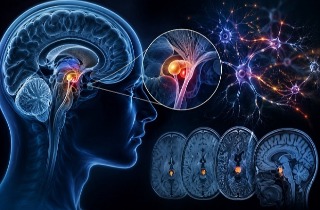
A new international study has uncovered compelling evidence that the gradual loss of neuropeptide Y (NPY), one of the brain's most important chemical messengers, could play a critical role in the progression of glioblastoma, the deadliest form of brain cancer. By combining multiple large-scale genetic datasets with advanced single-cell and spatial transcriptomic technologies, scientists found that as NPY signaling fades, glioblastoma increasingly switches on biological programs that promote oxygen deprivation, abnormal blood vessel growth, immune evasion, tissue invasion and rapid tumor expansion.
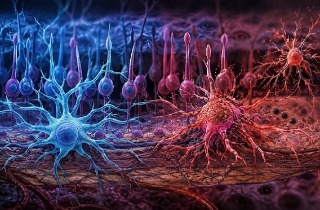
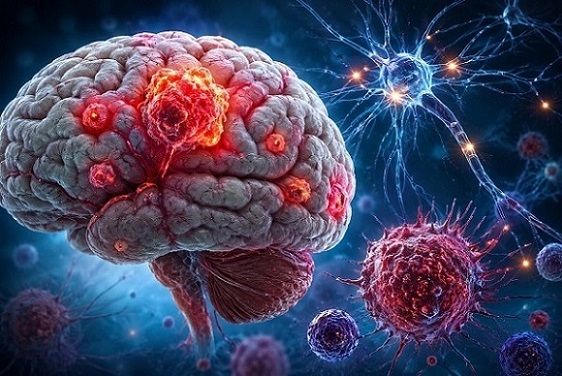 Loss of neuropeptide Y signaling appears to trigger a molecular transformation that enables glioblastoma
to become more aggressive, invasive and resistant to treatment
The research was carried out by scientists from Alfaisal University College of Medicine, King Abdullah International Medical Research Center, King Saud bin Abdulaziz University for Health Sciences, King Faisal Specialist Hospital and Research Center in Riyadh and Jeddah, Saudi Arabia, and the University of Alabama at Birmingham School of Nursing in the United States.
Healthy brain signals disappear as tumors become more aggressive
NPY is one of the most abundant signaling molecules in the human brain. Under normal conditions, it helps regulate communication between nerve cells, protects neurons from injury, controls blood vessel activity, influences appetite, and plays important roles in maintaining normal brain function. Until now, however, its precise role in glioblastoma remained poorly understood.
To investigate this question, the researchers analyzed hundreds of glioblastoma samples together with lower-grade brain tumors and healthy brain tissue. They also examined more than 20,000 individual cells using single-cell RNA sequencing and mapped gene activity directly within tumor tissues using spatial transcriptomics.
The results revealed a remarkably consistent pattern. Both NPY and its primary receptor NPY1R were significantly reduced in glioblastoma, while genes responsible for hypoxia, angiogenesis, glycolysis, invasion and immune suppression became highly activated. Even more striking was the observation that these molecular changes became progressively stronger as lower-grade gliomas evolved into glioblastoma, suggesting that the loss of NPY signaling is closely linked to disease progression rather than being a simple consequence of advanced cancer.
Tumors undergo a profound biological transformation
One of the study's most important discoveries was that glioblastoma appears to undergo a major biological identity shift. As NPY signaling declines, tumor cells gradually transition from a neural-like state toward a mesenchymal state—a highly aggressive form associated with faster growth, increased invasiveness, enhanced metabolic activity and resistance to chemotherapy and radiation.
This
>Medical News report highlights another remarkable finding. The researchers discovered that NPY activity remained concentrated within neural progenitor-like tumor cells, whereas hypoxia and glycolysis pathways were largely confined to mesenchymal tumor cells and surrounding stromal tissues. This indicates that healthy neural signaling and the tumor's aggressive survival machinery occupy distinct cellular compartments, revealing an unexpected level of biological organization inside glioblastoma.
The team also found that hypoxia-related genes including HIF1A, VEGFA, ANGPT2, MMP2 and MMP9 became increasingly active as NPY signaling declined. These genes enable tumors to survive in oxygen-starved environments, stimulate the formation of abnormal blood vessels, digest surrounding brain tissue and suppress immune responses that would otherwise attack cancer cells.
Higher NPY levels may predict better survival
Survival analyses revealed another encouraging clue. Patients whose tumors retained higher levels of NPY and NPY1R generally lived longer than those with the lowest expression levels. Meanwhile, tumors dominated by hypoxia and invasion-related genes were consistently associated with poorer outcomes. The researchers also found that direct NPY communication pathways were largely absent within established glioblastoma tissue, suggesting that the normal protective signaling network has largely collapsed by the time these tumors become fully developed.
Conclusion
The findings provide compelling evidence that the progressive loss of neuropeptide Y signaling is a defining feature of glioblastoma and may actively drive its transition into a highly invasive, hypoxia-adapted and immune-suppressive cancer. Although further laboratory and clinical studies are needed, restoring NPY signaling or targeting the aggressive pathways that emerge after its disappearance could represent an entirely new therapeutic strategy for combating one of the world's most lethal brain tumors.
The study findings were published in the peer reviewed International Journal of Molecular Sciences.
https://www.mdpi.com/1422-0067/27/13/6068
For the latest on glioblastoma, keep on logging to Thailand
Medical News.
Read Also:
https://www.thailandmedical.news/articles/cancer
https://www.thailandmedical.news/articles/peptides




 Share
Share
 Tweet
Tweet
 Share
Share