COVID-19 Linked to Surge in Functional Neurological Disorder Cases Says Major Study
Nikhil Prasad Fact checked by:Thailand Medical News Team Dec 05, 2025 9 months, 4 weeks, 1 day, 17 hours, 11 minutes ago
Medical News: A Serious Yet Overlooked Condition Rising in the Wake of the Pandemic
A large international study led by researchers from King's College London, University Medical Centre Ljubljana (Slovenia), University Hospital Essen (Germany), and the South London and Maudsley NHS Foundation Trust has revealed a disturbing trend—COVID-19 significantly increases the risk of developing a serious condition known as Functional Neurological Disorder or FND. This
Medical News report highlights how, even beyond the immediate effects of infection, COVID-19 can trigger lasting and disruptive neurological symptoms.
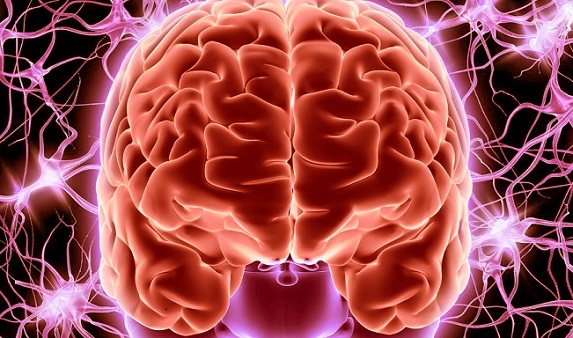 New study finds that COVID-19 significantly raises the risk of Functional Neurological Disorder, even in mild cases
What Is Functional Neurological Disorder
New study finds that COVID-19 significantly raises the risk of Functional Neurological Disorder, even in mild cases
What Is Functional Neurological Disorder
Functional Neurological Disorder, or FND, is a real medical condition in which a person experiences neurological symptoms even though scans such as MRIs or CTs show no structural damage to the brain. Doctors often describe it as a problem with how the brain sends and receives signals rather than a problem with the physical “hardware” of the brain. In simple terms, the brain’s communication system is disrupted. The brain is intact, but the “software” controlling movement, sensation, and awareness is not functioning as it should.
People with FND may experience weakness, tremors, paralysis, episodes that look like epileptic seizures, problems walking, difficulty speaking, numbness, vision disturbances, or sudden collapses. These symptoms are not imagined, exaggerated, or intentionally produced—they are genuine, often disabling, and can severely affect daily life. Many patients end up undergoing multiple tests because the symptoms mimic those of serious neurological diseases like stroke or multiple sclerosis, even though the underlying cause is different.
Why COVID Makes It Worse Than Other Infections
Using data from the TriNetX electronic health record network, the study analyzed over 2.7 million COVID-19 patients and found that nearly 1,850 were newly diagnosed with FND within six months after infection. The odds of developing FND were 2.2 times higher for those who were hospitalized due to COVID-19 and 1.4 times higher for those who needed emergency care, compared to COVID patients with milder cases. When comparing COVID-19 to other respiratory infections like the flu, FND still occurred more often—even in non-hospitalized patients.
The research team suggests this might be due to the intense immune response triggered by COVID-19, or from the psychological stress of the illness and the pandemic environment itself, including lockdowns, uncertainty, and fear.
Who Is Most at Risk?
The study also examined what kind of people were more likely to develop FND after COVID-19. Compared to those who developed migraines after COVID, FND patients were generally older, more likely to be male, and had a history of psychiatric or neurological condition
s such as anxiety, depression, epilepsy, movement disorders, or even prior trauma. Black patients also appeared more frequently in the FND group, raising concerns about access to care and underdiagnosis in other racial groups.
Interestingly, many of those who developed FND had previously suffered from convulsions or neurological issues, suggesting COVID-19 might worsen existing problems rather than create entirely new ones.
More Than Just a COVID-19 Issue
While FND cases also occurred after other respiratory infections, the study showed that COVID-19 consistently posed a greater risk. This finding remained true regardless of when during the pandemic the infection occurred. What’s even more troubling is that because FND is hard to diagnose and often dismissed as psychological, many cases might be going unrecognized or mislabeled as Long COVID.
What This Means Going Forward
This research, the largest of its kind so far, provides strong evidence that COVID-19 can lead to serious long-term neurological issues. Doctors and patients alike must be made aware of this risk. As the world continues to grapple with post-pandemic health problems, the need to understand and treat Functional Neurological Disorder becomes more urgent.
Health systems should improve screening for FND in patients recovering from COVID-19, especially those with a history of neurological or mental health conditions. Researchers must also explore whether certain treatments or early interventions could reduce the risk of developing FND after viral infections.
The study findings were published in the peer reviewed journal: European Journal of Neurology
https://onlinelibrary.wiley.com/doi/10.1111/ene.70459
For the latest COVID-19 news, keep on logging to Thailand
Medical News.
Read Also:
https://www.thailandmedical.news/articles/coronavirus
https://www.thailandmedical.news/articles/long-covid




 Share
Share
 Tweet
Tweet
 Share
Share

































