Nikhil Prasad Fact checked by:Thailand Medical News Team May 18, 2026 4 months, 2 weeks, 2 days, 22 hours, 41 minutes ago
Medical News: A common antioxidant supplement known as N-acetylcysteine, or NAC, may hold surprising potential in protecting the kidneys from serious damage linked to diabetes, obesity, and metabolic disorders, according to a new study by researchers from Chung Shan Medical University, Chung Shan Medical University Hospital, and the Department of Health Industry Technology Management in Taichung, Taiwan.
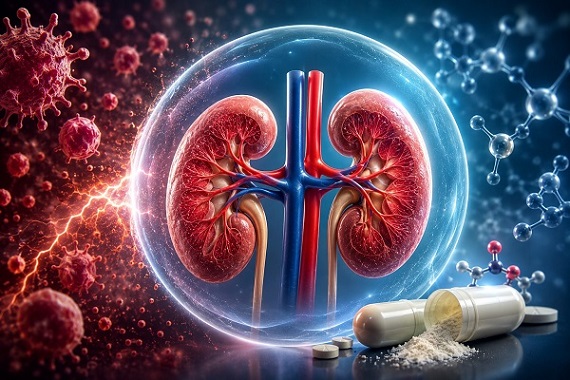 Scientists discover that NAC may help stop kidney inflammation and scarring caused by diabetes and metabolic stress
Scientists found that NAC was able to dramatically reduce inflammation, oxidative stress, and scarring in kidney tissues exposed to intense cardiometabolic stress. The findings are particularly important because kidney disease continues to rise worldwide alongside growing rates of obesity, high-fat diets, diabetes, and cardiovascular disease.
How Metabolic Stress Damages the Kidneys
The researchers explained that cardio-renal metabolic syndrome occurs when disorders such as high blood sugar, insulin resistance, abnormal cholesterol levels, and chronic inflammation begin damaging both the heart and kidneys at the same time. Over time, this stress disrupts the kidneys’ ability to regulate glucose and maintain normal cellular function.
To study the condition, the team used genetically modified mice that naturally develop severe cholesterol problems. The animals were also given a high-fat diet and streptozotocin to trigger diabetes-like conditions. The result was extensive kidney injury that closely resembled progressive human kidney disease.
The affected mice showed elevated blood urea nitrogen, creatinine, uric acid, glycated hemoglobin, and insulin levels, all classic signs of declining kidney function and worsening metabolic disease. Their kidney tissues also displayed severe structural damage, including enlarged glomeruli, tubular dilation, collagen buildup, and fibrosis.
NAC Dramatically Reduced Kidney Scarring
One of the most striking discoveries was NAC’s ability to slow or reverse kidney fibrosis, a dangerous process in which healthy kidney tissue is gradually replaced by scar tissue.
Mice treated with NAC showed major improvements in kidney structure. Researchers observed reduced tubular injury, less collagen deposition, smaller areas of fibrosis, and healthier kidney architecture overall.
The compound also lowered levels of two enzymes called PEPCK and G6Pase, which are heavily involved in glucose production inside the kidneys. Excessive activation of these enzymes is increasingly being linked to kidney injury under diabetic and metabolic stress conditions.
Importantly, NAC restored levels of E-cadherin, a protein associated with healthy kidney cells, while reducing vimentin, a marker strongly associated with tissue scarring and fibrosis.
Blocking Dangerous Inflammatory Pathways
The study also revealed that NAC powerfully suppressed activation of the NLRP3 inflammasome, an inflammatory protein complex increasingly recognized as a major driver of chronic diseases.
<
;br />
Under metabolic stress, the inflammasome triggers the release of inflammatory molecules such as IL-1β and activates proteins including caspase-1 and gasdermin D that contribute to tissue destruction. In the untreated mice, these inflammatory markers rose dramatically. However, NAC treatment sharply reduced their expression.
Researchers further tested NAC in kidney tubular cells exposed to high glucose and fatty acid conditions. Once again, NAC reduced oxidative stress, restored insulin signaling, and lowered inflammatory activity.
This
Medical News report notes that the antioxidant also helped preserve the cells’ internal structural framework, which is normally disrupted during severe metabolic stress.
Why These Findings Matter
NAC has been used clinically for decades, particularly for acetaminophen poisoning and respiratory conditions. However, this new study suggests its benefits may extend much further into chronic metabolic and kidney disorders.
Researchers believe NAC works by replenishing glutathione, one of the body’s most important natural antioxidants. By lowering oxidative stress and calming inflammatory pathways simultaneously, NAC may interrupt the vicious cycle that drives progressive kidney failure.
The team also performed molecular docking analysis showing that NAC may directly interact with important metabolic enzymes involved in abnormal kidney glucose production.
Conclusion
The findings suggest that NAC could become a promising supportive therapy for people facing kidney complications linked to diabetes, obesity, metabolic syndrome, and cardiovascular disease. Beyond simply acting as an antioxidant, NAC appears to influence several critical biological pathways tied to inflammation, glucose metabolism, insulin resistance, and tissue fibrosis. Although the results are highly encouraging, the researchers emphasized that larger human clinical studies are still needed before NAC can be fully recommended as a standard treatment for chronic kidney disease associated with cardiometabolic disorders.
The study findings were published in the peer reviewed journal: Antioxidants.
https://www.mdpi.com/2076-3921/15/5/636
For the latest on treating kidney damage, keep on logging to Thailand
Medical News.
Read Also:
https://www.thailandmedical.news/articles/nephrology-(kidneys)




 Share
Share
 Tweet
Tweet
 Share
Share

































