Inflammation Caused by Acute Influenza or COVID-19 Infections Can Awaken Dormant Cancer and Fuel Its Spread
Nikhil Prasad Fact checked by:Thailand Medical News Team Sep 17, 2026 31 minutes ago
Acute respiratory infections such as influenza and COVID-19 could have unexpected consequences for people with dormant cancer cells, with mounting evidence suggesting that infection-driven inflammation can alter the body's immune environment in ways that allow previously inactive cancer cells to awaken and grow.
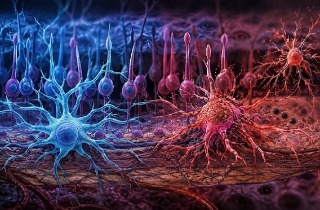
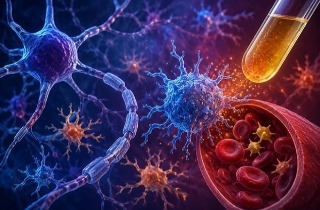
 Acute influenza and COVID-19 inflammation may awaken dormant cancer cells and create conditions
that encourage metastatic growth
Researchers reviewing evidence from human studies and experimental models found that acute infections can trigger inflammatory cascades, change immune-cell behavior, and remodel tissues. Under certain circumstances, these changes may provide dormant cancer cells with an opportunity to escape immune control and develop into metastatic tumors.However, infections can also activate powerful anti-tumor immune responses, making the relationship considerably more complicated than simply infection causing cancer progression.
Researchers examine the infection-cancer connection
The analysis was conducted by Felipe Valença-Pereira, Bryan Johnson, James DeGregori, and Mercedes Rincon at the University of Colorado Anschutz Medical Campus in Aurora, Colorado.
A central focus is disseminated cancer cells, or DCCs. Cancer cells can spread from a primary tumor surprisingly early and settle in distant organs, where they may remain inactive for months, years, or even decades. Because these dormant cells are scarce and difficult to detect, they can survive unnoticed before eventually restarting proliferation and producing metastatic disease.
Influenza and COVID-19 can awaken dormant cancer cells
Some of the strongest mechanistic evidence comes from experimental breast cancer models. Researchers previously found that influenza or SARS-CoV-2 infection caused dormant breast cancer cells residing in mouse lungs to awaken and expand.
Crucially, this process depended on interleukin-6 (IL-6), an inflammatory cytokine produced in the lungs following infection. After dormant cells expanded, CD4 T cells contributed to suppressing the cancer-killing activity of CD8 T cells, potentially helping the reactivated cancer cells survive.
Other experiments showed that influenza and SARS-CoV-2 infections promoted the growth of lung tumors driven by Kras/Trp53 mutations through immune suppression. Influenza has also been shown to exhaust memory CD8 T cells, producing a more immunosuppressive tumor environment.
These findings suggest that an immune response designed to eliminate a respiratory virus can have unintended consequences elsewhere. Inflammation may change cytokine levels, immune surveillance, blood vessels, collagen, and the extracellular matrix surrounding dormant cells, effectively remodeling the metastatic niche.
Human studies provide intriguing clues
Human epidemiological findings also point toward a possible association. A seven-year case-control study involving adults aged 30 and older reported increased age-adjusted odds of cancer when certain infections occurred during the year before cancer detection. The odds ratio was 1.29 following influenza, 1.60 fol
lowing gastroenteritis, and 2.36 following pneumonia.
Another population study found a possible dose-related association between repeated influenza infections and lung cancer. Compared with lower exposure, the odds increased progressively with cumulative influenza episodes, reaching an odds ratio of 1.25 among people with five or more exposures.
Analyses involving cancer survivors also found increased cancer-related mortality or lung metastasis among people infected with SARS-CoV-2 compared with uninfected groups, although the researchers emphasize important limitations, including potential confounding factors.
Bacterial infections show another striking effect
The phenomenon may extend beyond respiratory viruses. Experimental acute Escherichia coli lung infection or exposure to bacterial lipopolysaccharide increased pulmonary metastases by five- to tenfold in mouse models involving prostate cancer, breast cancer, and melanoma cells.
Researchers traced this effect to extracellular ubiquitin interacting with the CXCR4 receptor on tumor cells. Blocking CXCR4 or administering antibiotics prevented the effect in these experiments. Staphylococcus aureus lung infection has likewise been shown to promote breast cancer lung metastasis through neutrophil extracellular traps, or NETs.
Infection can also fight cancer
Importantly, this
Thailand Medical News report does not mean influenza, COVID-19, or another acute infection will necessarily cause cancer to return.
The evidence reveals a biological paradox. In some experimental settings, influenza generated strong tumor-specific CD8 T-cell responses that helped control cancer. In others, the same virus disrupted anti-cancer immunity and accelerated tumor progression.
The outcome may therefore depend on the cancer type, metastatic potential, infection severity, timing, viral burden, existing tumor burden, and characteristics of the patient's immune response.
Could inflammation itself become a treatment target?
The researchers propose that understanding these mechanisms could eventually produce strategies for protecting cancer survivors during acute infections. Possibilities include preventing respiratory infections through vaccination and investigating temporary suppression of specific inflammatory pathways.
IL-6 signaling is particularly interesting because of its role in awakening dormant cells in experimental models. Therapies targeting IL-6 or its receptor, alongside JAK pathway inhibitors and treatments targeting NETs, could therefore warrant further investigation.
These approaches remain investigational for preventing infection-associated cancer progression, however, and researchers caution that suppressing inflammation during an active infection could interfere with immune defenses needed to eliminate the pathogen.
Conclusions
The emerging evidence suggests acute influenza, COVID-19, and other inflammatory insults can, under specific biological conditions, disturb cancer dormancy and encourage metastatic growth. Yet infection can also strengthen anti-tumor immunity. Determining why these opposite responses occur will be essential before scientists can identify which cancer survivors might benefit from preventive interventions during acute infections.
The study findings were published in the peer reviewed journal: PLOS Biology.
https://journals.plos.org/plosbiology/article?id=10.1371/journal.pbio.3003962 



 Share
Share
 Tweet
Tweet
 Share
Share