Nikhil Prasad Fact checked by:Thailand Medical News Team Jun 30, 2026 2 months, 2 days, 12 hours, 39 minutes ago
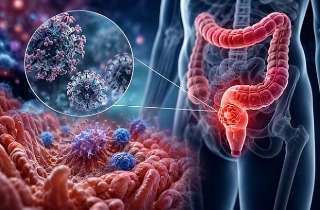
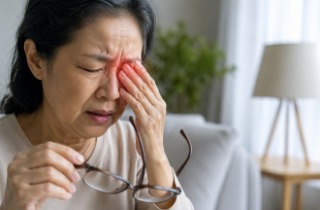
Medical News: A new study has uncovered a surprising biological clue behind the lingering exhaustion many people experience after COVID-19 infection. Researchers have found that a combination of low selenium levels and specific immune reactions may significantly increase the risk of persistent fatigue—one of the most common symptoms of long COVID.
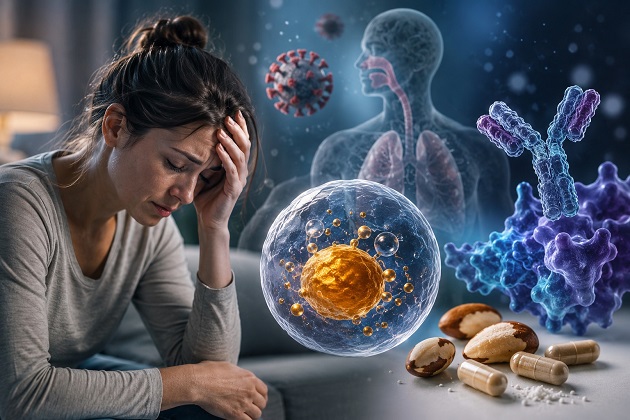 Low selenium and immune disruption may double the risk of long COVID fatigue.
Researchers and Institutions Behind the Study
Low selenium and immune disruption may double the risk of long COVID fatigue.
Researchers and Institutions Behind the Study
The study was conducted by scientists from multiple leading German institutions, including the Institute for Medical Informatics, Biometry and Epidemiology at University Hospital Essen (University of Duisburg-Essen), the Institute for Experimental Endocrinology at Charité–Universitätsmedizin Berlin, the Department of Anesthesiology and Intensive Care Medicine at University Hospital Essen, and the Institute for Virology and the Institute for the Research on HIV and AIDS-associated Diseases at University Hospital Essen.
What the Study Looked At
The research involved 750 adults who had previously tested positive for COVID-19. On average, participants were evaluated nearly 22 months after their infection. About 23 percent reported ongoing fatigue, highlighting how common long-term symptoms remain.
Scientists focused on selenium—a trace mineral essential for the body—and a protein called selenoprotein P (SELENOP), which helps transport selenium throughout the body. They also examined special immune proteins known as autoantibodies that can mistakenly attack SELENOP.
Key Findings That Stand Out
Individually, low selenium levels or the presence of these autoantibodies did not show a strong connection to fatigue. However, when both were present together, the picture changed dramatically.
People with both low selenium levels and these autoantibodies were found to have more than double the risk of experiencing persistent fatigue. A similar pattern was observed when low SELENOP levels were combined with these immune responses.
In simple terms, it is not just a deficiency or an immune reaction alone—it is the combination of both that appears to trigger a much higher likelihood of long-term exhaustion.
Why Selenium Matters
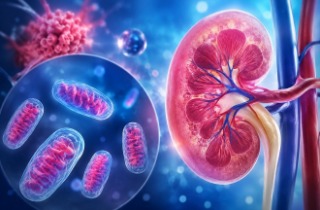
Selenium plays a critical role in maintaining energy levels because it supports enzymes involved in metabolism and thyroid hormone activation. When selenium is low, the body may struggle to produce enough active thyroid hormone, which is essential for energy production.
Interestingly, this type of dysfunction may not show up in routine thyroid tests, meaning many patients could be experiencing a hidden form of metabolic slowdown.
A Deeper Look into the Mechanism
This
Medical News report highlights how inflammation caused by COVID-19 may disrupt selenium metaboli
sm. The infection triggers inflammatory chemicals that reduce the body’s ability to produce selenoproteins. At the same time, the immune system may generate autoantibodies that block selenium transport.
Together, these effects can reduce selenium availability in vital tissues like the brain and endocrine organs, potentially leading to symptoms such as fatigue, weakness, and reduced mental clarity.
Broader Implications
The study suggests that this selenium-related issue may affect only a subset of long COVID patients. However, given the massive number of global infections, even a small percentage could translate into millions of affected individuals.
Importantly, selenium deficiency is potentially correctable through diet or supplementation, making this a promising area for future treatment strategies.
Conclusion
The findings reveal an important but often overlooked factor contributing to long COVID fatigue. When low selenium levels combine with immune system disruptions that block its transport, the body may struggle to maintain normal energy metabolism. This dual mechanism helps explain why some individuals experience prolonged exhaustion long after recovering from the virus. While not all patients are affected in the same way, identifying and correcting selenium-related imbalances could offer a practical path toward improving recovery and quality of life for many sufferers.
The study findings were published in the peer reviewed journal: Redox Biology.
https://www.sciencedirect.com/science/article/pii/S2213231726002727
For the latest on Long COVID, keep on logging to Thailand
Medical News.
Read Also:
https://www.thailandmedical.news/articles/long-covid




 Share
Share
 Tweet
Tweet
 Share
Share