Nikhil Prasad Fact checked by:Thailand Medical News Team Feb 19, 2026 6 months, 1 week, 4 days, 8 hours, 25 minutes ago
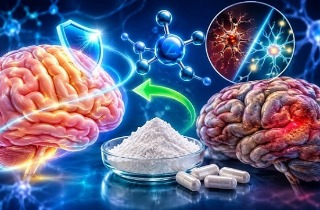
Medical News: New scientific insights are shedding light on how a common vitamin found in everyday foods could play a crucial role in protecting the brain from inflammation and damage linked to serious neurological diseases. Researchers have discovered that alpha-tocopherol, the most active form of vitamin E, may help reduce harmful inflammation and oxidative stress in brain tissue, offering new hope for preventing or slowing neurodegenerative conditions.
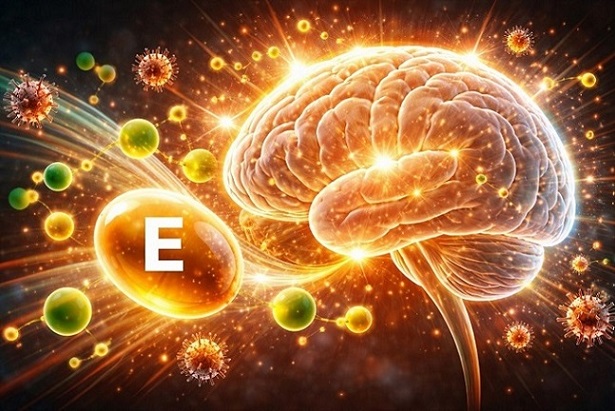 Scientists discover that alpha-tocopherol, the most active form of vitamin E, may protect brain cells from inflammation
and damage linked to neurological diseases.
Researchers uncover vitamin E’s protective mechanisms
Scientists from the University of Texas Health Science Center at Houston, specifically the Brown Foundation Institute of Molecular Medicine at McGovern Medical School, and the MD Anderson Cancer Center UTHealth Houston Graduate School for Biomedical Sciences conducted an extensive review of existing research on alpha-tocopherol’s effects on brain health. Their findings revealed that this specific form of vitamin E plays a vital role in controlling inflammation inside the brain.
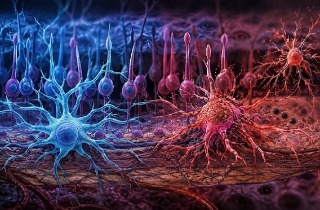
Inflammation in the brain, also known as neuroinflammation, is strongly linked to serious conditions such as Alzheimer’s disease, Parkinson’s disease, stroke, and other neurodegenerative disorders. This
Medical News report highlights how alpha-tocopherol may act as a protective shield by neutralizing harmful molecules called free radicals and reducing inflammatory signals that can damage brain cells.
How alpha-tocopherol protects brain cells
Alpha-tocopherol is a fat-soluble antioxidant, meaning it dissolves in fats and protects cell membranes from damage. Brain cells are especially vulnerable because their membranes contain high amounts of fatty acids that are easily damaged by oxidative stress.
The researchers found that alpha-tocopherol works by stopping a destructive process called lipid peroxidation. This process occurs when free radicals attack fats in brain cells, leading to cell dysfunction and death. By neutralizing these free radicals, alpha-tocopherol helps maintain the structural integrity and normal function of neurons.
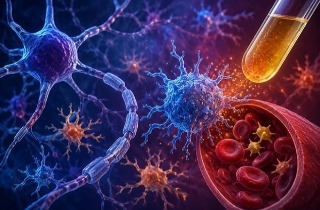
Additionally, alpha-tocopherol reduces the production of pro-inflammatory molecules known as cytokines. These inflammatory signals can worsen brain damage if left unchecked. By lowering cytokine levels, alpha-tocopherol helps calm harmful inflammatory responses and supports healthier brain function.
Effects depend on dosage and conditions
Despite the promising benefits, the researchers emphasized that the effects of alpha-tocopherol can vary depending on several factors. These include the dosage used, how it is delivered into the body, the specific form of the vitamin, and even biological differences such as sex.
Some studies showed strong protective effects, while others showed more moderate benefits. This suggests that alpha-tocopherol&rsq
uo;s effectiveness depends heavily on the right conditions and proper dosing. Researchers cautioned that more precise studies are needed to determine optimal therapeutic use.
Importantly, the benefits described apply specifically to alpha-tocopherol and cannot be assumed for other forms of vitamin E, which may behave differently in the body.
Potential implications for neurological disease prevention
The findings suggest that alpha-tocopherol could play a meaningful role in protecting the brain against long-term damage caused by inflammation and oxidative stress. These processes are considered key drivers of aging-related neurological disorders.
By helping stabilize brain cells, reducing inflammation, and preventing oxidative injury, alpha-tocopherol may support overall brain resilience. However, scientists stress that further clinical research involving human patients is necessary before alpha-tocopherol can be widely recommended as a therapeutic treatment.
Conclusion
The growing scientific evidence clearly indicates that alpha-tocopherol is more than just a basic nutrient—it is an active biological protector that helps preserve brain cell integrity and reduce harmful inflammation. Its ability to neutralize free radicals and control inflammatory responses makes it a promising candidate for future therapies aimed at preventing or slowing neurodegenerative diseases. However, careful research is still needed to determine safe, effective dosing strategies and to fully understand how this vitamin can be used in clinical medicine without unintended risks.
The study findings were published in the peer reviewed journal: Nutrients.
https://www.mdpi.com/2072-6643/18/4/676
For the latest on brain health, keep on logging to Thailand
Medical News.
Read Also:
https://www.thailandmedical.news/articles/supplements




 Share
Share
 Tweet
Tweet
 Share
Share