Nikhil Prasad Fact checked by:Thailand Medical News Team Jan 05, 2026 7 months, 4 weeks, 18 hours, 12 minutes ago
Medical News: In the wake of the global COVID-19 pandemic, emerging research has uncovered a hidden toll on the human body beyond the well-known respiratory symptoms. Scientists are increasingly recognizing that SARS-CoV-2, the virus responsible for COVID-19, can significantly disrupt the gastrointestinal system, leading to impaired nutrient absorption in many patients. This issue affects not only those with severe cases but also individuals experiencing mild infections or long-term post-COVID symptoms. Peer-reviewed studies highlight how the virus targets the gut, causing widespread damage that hampers the body's ability to extract essential vitamins, minerals, and other nutrients from food.
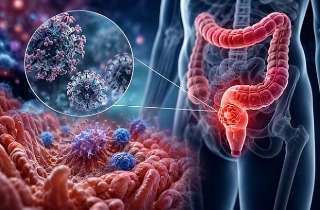
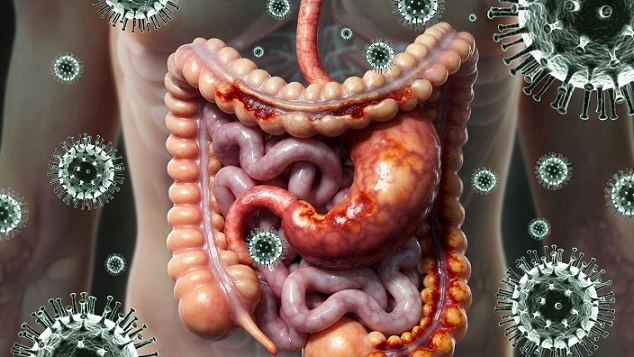 SARS-CoV-2 virus invades and damages the gastrointestinal tract, leading to inflammation and impaired nutrient
absorption in many even after recovery
This
Medical News report delves into the mechanisms behind this phenomenon, drawing from recent scientific investigations. As the world continues to grapple with the virus's long-term effects, understanding these gastrointestinal impacts is crucial for developing targeted interventions and improving patient outcomes.
Intestinal Damage Caused by SARS-CoV-2
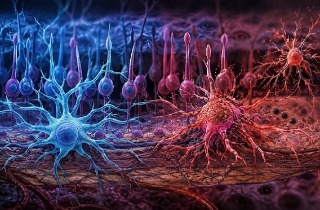
SARS-CoV-2 enters the body primarily through the respiratory tract but can also invade the gastrointestinal system via the angiotensin-converting enzyme 2 (ACE2) receptor, which is abundantly expressed on intestinal epithelial cells. This binding leads to direct cytopathic effects, causing cell damage and apoptosis of enterocytes—the cells responsible for nutrient absorption in the small intestine.
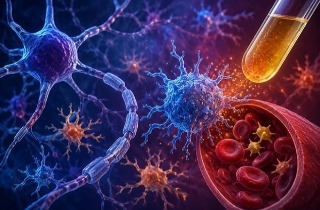
The virus triggers an inflammatory response, releasing pro-inflammatory cytokines like IL-6 and TNF-alpha, which further exacerbate tissue injury. Studies show that this results in thickened bowel walls, increased permeability (often called "leaky gut"), and even ischemia in severe cases.
One key mechanism involves the downregulation of ACE2, which normally regulates intestinal homeostasis. When SARS-CoV-2 binds to ACE2, it impairs the function of associated transporters like B0AT1, essential for absorbing amino acids such as tryptophan.
This disruption not only affects nutrient uptake but also weakens the gut's barrier integrity, allowing harmful substances to enter the bloodstream and trigger systemic inflammation. Autopsy and biopsy studies from COVID-19 patients reveal histopathological changes, including villous atrophy and endothelial damage, mirroring conditions like celiac disease or inflammatory bowel disease.
Gut Dysbiosis and Its Role in Disease Progression
COVID-19 infection profoundly alters the gut microbiome, leading to dysbiosis—a state of microbial imbalance characterized by a decline in beneficial bacteria and an overgrowth of opportunistic pathogens.
Beneficial species such as Faecalibacterium prausnitzii, Bifidobacterium, and Eubacterium—known for producing short-chain fatty acids (SCFAs) like butyr
ate—are depleted in infected individuals.
These SCFAs are vital for maintaining the intestinal barrier, regulating immune responses, and promoting nutrient absorption. Conversely, pathogens like Enterococcus, Streptococcus, and Escherichia coli proliferate, contributing to inflammation and further barrier dysfunction.
This dysbiosis persists even after viral clearance, correlating with disease severity and the development of post-acute sequelae of COVID-19 (PASC), or long COVID. Factors exacerbating dysbiosis include antibiotic use during treatment, systemic hypoxia from lung damage, and reduced caloric intake due to illness-induced anorexia.
The altered microbiome reduces SCFA production, which impairs epithelial cell regeneration and increases gut permeability, allowing bacterial endotoxins to translocate into the blood, fueling a cytokine storm.
Mechanisms Leading to Impaired Nutrient Absorption
The interplay between intestinal damage and dysbiosis directly impairs nutrient absorption through multiple pathways. Damaged enterocytes lose their brush border enzymes and transporters, reducing the uptake of carbohydrates, proteins, fats, and micronutrients like vitamins B12, D, and iron.
For instance, tryptophan malabsorption disrupts serotonin production and antimicrobial peptide expression, further perpetuating dysbiosis in a vicious cycle. Leaky gut syndrome allows undigested food particles and toxins to enter circulation, triggering immune activation that diverts energy from absorption processes.
Studies indicate that COVID-19 patients often exhibit deficiencies in zinc, selenium, and vitamin D, which are exacerbated by poor absorption rather than just dietary insufficiency.
Additionally, the virus's impact on the enteric nervous system can alter gut motility, leading to diarrhea or constipation, which further hinders nutrient extraction. In severe cases, systemic effects like coagulopathy and thromboembolism can cause ischemic damage to the gut, compounding absorption issues.
Research also links these changes to metabolic disruptions, such as impaired mTOR pathway signaling, which regulates cellular nutrient sensing and autophagy.
Long-Term Implications for Health
The consequences of impaired nutrient absorption extend far beyond the acute phase of COVID-19. Many survivors report persistent fatigue, muscle weakness, and cognitive issues—symptoms potentially tied to chronic malnutrition from ongoing gut dysfunction.
Dysbiosis has been associated with increased risk of secondary infections, autoimmune conditions, and even skin disorders due to systemic inflammation.
Interventions like probiotics, prebiotics, and fecal microbiota transplants are being explored to restore gut balance and improve absorption.
However, more research is needed to tailor these therapies, especially in regions where dietary habits and microbiome profiles may differ.
In conclusion, COVID-19's assault on the gut underscores the need for holistic approaches to recovery, including nutritional support and microbiome monitoring. By addressing these hidden effects, healthcare providers can mitigate long-term health burdens for millions affected worldwide.
References:
https://aspenjournals.onlinelibrary.wiley.com/doi/10.1002/ncp.10554
https://www.sciencedirect.com/science/article/pii/S2405457724000469
https://www.clinicalnutritionjournal.com/article/S0261-5614(22)00277-1/fulltext
https://www.cghjournal.org/article/S1542-3565(22)01004-7/pdf
https://www.sciencedirect.com/science/article/pii/S1043466622000357
https://www.mdpi.com/2227-9059/11/4/1014
https://www.frontiersin.org/journals/microbiology/articles/10.3389/fmicb.2022.860931/full
https://www.wjgnet.com/2307-8960/full/v11/i22/5252.htm
https://www.wjgnet.com/1007-9327/full/v29/i15/2283.htm
https://www.frontiersin.org/journals/cellular-and-infection-microbiology/articles/10.3389/fcimb.2025.1537456/full
https://www.mdpi.com/2673-8112/5/4/48
https://www.nature.com/articles/s41575-022-00698-4
https://www.oaepublish.com/articles/mrr.2023.48
https://www.sciencedirect.com/science/article/pii/S0985056222000255
https://www.tandfonline.com/doi/full/10.1080/19490976.2023.2201157
https://www.wjgnet.com/2220-3249/full/v12/i2/68.htm
https://www.frontiersin.org/journals/cellular-and-infection-microbiology/articles/10.3389/fcimb.2024.1384939/full
For the latest COVID-19 News, keep on logging to Thailand
Medical News.
Read Also:
https://www.thailandmedical.news/articles/coronavirus
https://www.thailandmedical.news/articles/long-covid




 Share
Share
 Tweet
Tweet
 Share
Share