Nikhil Prasad Fact checked by:Thailand Medical News Team Dec 12, 2025 8 months, 3 weeks, 1 hour, 43 minutes ago
Medical News: Powerful Healing from Within
A new breakthrough in regenerative medicine is shining a light on how the body’s own biological materials—specifically platelets and bone marrow—can be harnessed not just to heal but also to protect against infections. Researchers from Cambridge University, Harvard Medical School, Johns Hopkins University, Cleveland Clinic Abu Dhabi, Brown University, University of Kansas Medical Center, Fondazione Istituto G. Giglio in Italy, and UTHealth Houston have compiled evidence showing that platelet-rich plasma (PRP) and bone marrow aspirate concentrate (BMAC) can regenerate damaged tissue and stop harmful bacteria.
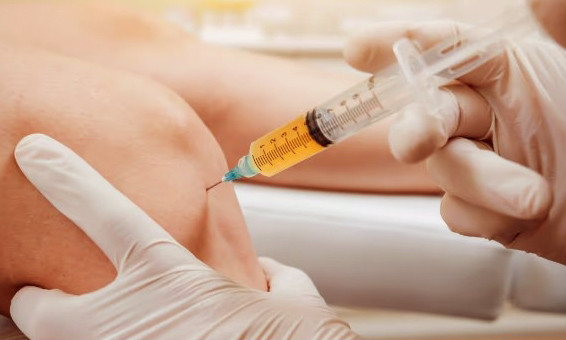 Dual-action blood and marrow therapies may heal pain and fight infections naturally.
These treatments involve drawing a patient’s own blood or bone marrow, processing it to concentrate the healing components, and re-injecting it into injured or painful areas. PRP is especially rich in growth factors and immune proteins, while BMAC contains powerful stem cells and immune regulators. This
Medical News report highlights how these dual-action therapies could transform how we manage chronic pain, joint issues, and wound care.
How These Therapies Work
PRP is made by spinning a patient’s blood to separate platelets, which are rich in healing molecules like PDGF, TGF-β, and VEGF. These compounds stimulate tissue repair, reduce inflammation, and improve blood flow. PRP is also known to release antimicrobial peptides—tiny proteins that can kill bacteria like Staphylococcus aureus and E. coli. Studies have shown PRP can significantly reduce infection in surgical wounds and even suppress fungal growth in some cases.
Similarly, BMAC is extracted from bone marrow and contains mesenchymal stem cells that can transform into bone, cartilage, or muscle. These cells also release molecules like LL-37 and hepcidin, which have natural antibacterial properties. BMAC has been found to lower inflammation, boost healing in knee osteoarthritis, and even reduce bacterial loads in animal models.
Key Study Findings
The researchers found that both PRP and BMAC were effective in reducing pain and enhancing joint function in patients with osteoarthritis. PRP showed benefits for chronic wounds, tendon injuries, and even hair loss, while BMAC was especially promising for bone and cartilage repair. In animal studies and early clinical trials, both therapies showed infection-fighting abilities, with PRP reducing bacterial growth by up to 46% and BMAC demonstrating strong immune modulation.
Importantly, these therapies are derived from the patient’s own body, minimizing the risks of rejection or allergic reaction. They also offer a less invasive option compared to surgery and could help reduce the need for long-term pain medications.
>Challenges and Limitations
Despite their promise, the therapies face key hurdles. There is still no global standard for how PRP or BMAC should be prepared, which makes it difficult to compare studies or ensure consistent results. Some commercial kits recover only 40%–60% of useful cells, and outcomes can vary based on patient age, blood quality, and technique.
Long-term safety data are also limited, and regulatory approval, especially from the FDA, is still pending for many applications. Cost is another barrier, as most insurance plans do not cover these treatments yet.
A New Era for Pain and Infection Management
In conclusion, these regenerative therapies present a promising future where the body’s own cells can be used to repair damaged tissues and protect against harmful microbes. However, more large-scale trials, standard protocols, and regulatory clarity are needed before they can become mainstream treatments. If properly developed, they could change the face of pain management and wound care by offering safer, more natural solutions for millions of patients.
The study findings were published in the peer reviewed journal: Biomedicines.
https://www.mdpi.com/2227-9059/13/11/2832
For the latest in regenerative medicine, keep on logging to Thailand Medical News.
Read Also:
https://www.thailandmedical.news/news/platelet-factor-4-protein-could-hold-the-secret-to-reversing-aging-blood-cells
https://www.thailandmedical.news/news/researchers-warn-platelet-concentrates-from-covid-19-recovered-blood-donors-may-be-unsafe-for-medical-use
https://www.thailandmedical.news/news/aesthetic-news-the-revolutionary-use-of-platelet-derivatives-in-regenerative-aesthetics




 Share
Share
 Tweet
Tweet
 Share
Share