Nikhil Prasad Fact checked by:Thailand Medical News Team May 11, 2026 3 months, 1 week, 1 day, 20 hours, 20 minutes ago
Medical News: Scientists are raising fresh concerns that a toxic by-product created during malaria infections could quietly contribute to prostate cancer development by damaging the immune system and sustaining long-term inflammation. The substance, called hemozoin, is produced when malaria parasites digest human blood, and researchers now believe its effects may stretch far beyond malaria itself.
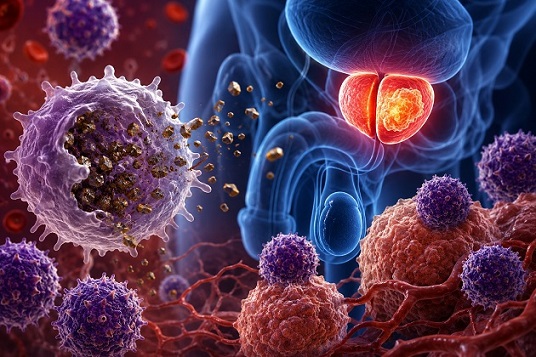 Scientists warn that lingering malaria pigment may trigger chronic inflammation and immune damage
linked to prostate cancer
The new review was conducted by researchers from Covenant University and the Covenant Applied Informatics and Communication Africa Centre of Excellence (CApIC-ACE) in Ogun State, Nigeria, along with the West African Centre for Cell Biology of Infectious Pathogens (WACCBIP), University of Ghana, Accra.
A Hidden Threat After Malaria Infection
Hemozoin, often called “malaria pigment,” forms when Plasmodium parasites break down hemoglobin inside red blood cells. While the body eventually clears the parasites, hemozoin can remain trapped inside immune cells for months or even years. Researchers say this lingering material may keep the immune system in a constant low-grade inflammatory state.
The study explains that these trapped immune cells continue releasing inflammatory chemicals such as TNF-alpha, IL-6, and IL-1 beta. Over time, this prolonged inflammation may damage healthy tissues, including prostate tissue, increasing the chances of cancer-related mutations developing.
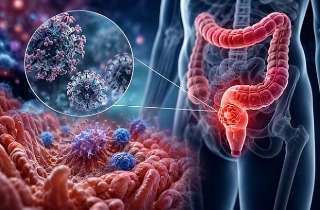
Scientists noted that chronic inflammation has already been linked to several cancers, including liver, stomach, colon, and bladder cancers. The new research suggests prostate cancer may eventually be added to that list.
How the Damage Happens
According to the researchers, hemozoin affects key immune pathways that normally protect the body. Instead of helping destroy dangerous cells, immune cells overloaded with hemozoin may begin supporting tumor growth.
One major concern is oxidative stress. Hemozoin-filled immune cells produce excessive reactive oxygen species, unstable molecules capable of damaging DNA, proteins, and surrounding tissues. Persistent DNA injury can eventually trigger abnormal cell growth and cancer formation.
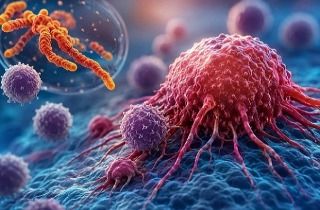
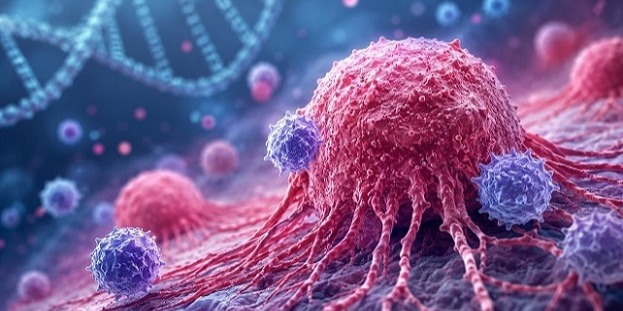
The review also found that hemozoin may push macrophages, important immune defense cells, into a tumor-supporting “M2” state. These altered macrophages suppress anti-cancer immune responses and encourage blood vessel growth that feeds tumors.
At the same time, hemozoin appears to weaken killer T-cells, which are responsible for identifying and destroying abnormal cells before they become cancerous. This combination creates what scientists describe as a “tumor-friendly environment.”
Important Cancer Signaling Pathways Activated
Researchers identified several dangerous molecular pathways activated by hemozoin exposure, including NF-kB, PI3K/Akt/mTOR, and STAT3 pathways. These pathways are already well known in cancer biology because they help tumors survive, spread, and
resist treatment.
The study suggests that repeated malaria infections may repeatedly trigger these cancer-linked pathways, especially in regions where malaria is common.
This
Medical News report highlights that scientists are becoming increasingly interested in how infectious diseases and chronic inflammation may contribute to cancers that were previously thought to be unrelated to infections.
Why Africa and Malaria-Endemic Regions Matter
The review points out that prostate cancer rates are rising in many malaria-endemic countries, particularly in sub-Saharan Africa. Nations with high malaria burdens such as Nigeria and Kenya also report growing prostate cancer incidence and mortality.
However, researchers caution that the relationship is complex. Improved cancer screening, aging populations, genetics, lifestyle factors, and healthcare access also strongly influence prostate cancer rates. The scientists stress that hemozoin is unlikely to be the sole cause but may act as an additional risk factor that worsens existing vulnerabilities.
Possible Future Treatments
The findings may eventually open doors to new therapies and diagnostic tools. Researchers believe drugs targeting inflammatory pathways linked to hemozoin could help reduce prostate cancer progression in high-risk populations.
They also propose that future screening tests could measure inflammatory markers associated with hemozoin exposure, helping doctors identify individuals at elevated risk earlier.
Importantly, the scientists say more long-term studies are urgently needed to prove a direct causal link between malaria-related hemozoin exposure and prostate cancer.
Conclusion
The study presents a concerning but scientifically plausible theory that repeated malaria infections could leave behind lasting immune damage that quietly increases prostate cancer risk over time. By sustaining inflammation, suppressing anti-cancer immunity, damaging DNA, and activating cancer-promoting signaling pathways, hemozoin may create conditions that allow tumors to emerge and grow more aggressively. While definitive proof is still lacking, the evidence is strong enough to justify major international research efforts, particularly in malaria-endemic regions where both malaria exposure and prostate cancer burdens remain high.
The study findings were published in the peer reviewed journal: Frontiers in Oncology.
https://www.frontiersin.org/journals/oncology/articles/10.3389/fonc.2026.1786079/full
For the latest research on prostate cancer, keep on logging to Thailand
Medical News.
Read Also:
https://www.thailandmedical.news/articles/cancer




 Share
Share
 Tweet
Tweet
 Share
Share