Phytochemicals from Xanthium Strumarium Show Strong Potential Against Dangerous Blood Clots
Nikhil Prasad Fact checked by:Thailand Medical News Team Nov 29, 2025 9 months, 4 days, 4 hours ago
Medical News: A New Hope from Nature
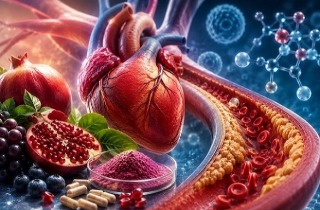
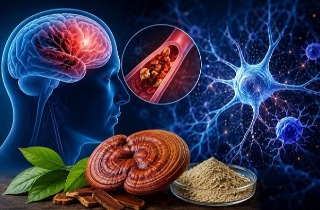
A new study has revealed that a traditional medicinal plant, Xanthium strumarium, may offer powerful protection against harmful blood clots, a leading cause of heart attacks and strokes. Researchers from Kyungpook National University in South Korea, Namseoul University in South Korea, and Pir-Mehr Ali Shah Arid Agriculture University in Pakistan conducted detailed laboratory and animal tests to explore how this plant affects platelet activity and blood clot formation. These findings, highlighted in this
Medical News report, offer fresh insights into how natural compounds may help reduce cardiovascular risks in a safer and more effective way.
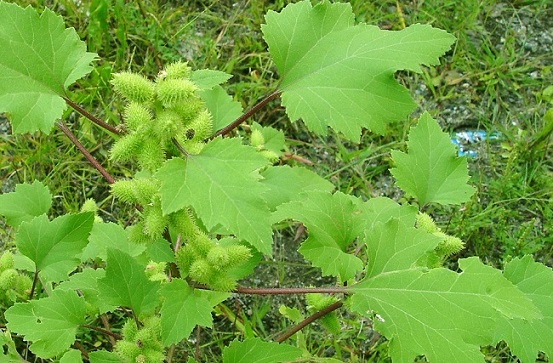 A natural plant extract demonstrates impressive ability to block harmful blood clot formation in new research
What the Researchers Investigated
A natural plant extract demonstrates impressive ability to block harmful blood clot formation in new research
What the Researchers Investigated
Platelets are tiny blood cells that help stop bleeding, but when they become overactive, they can form dangerous clots inside arteries. The research team wanted to test whether Xanthium strumarium extract could slow down this overactivation. They examined its effects on both human and rat platelets and also tested it in mice using a ferric chloride-induced thrombosis model, a common way to mimic clot formation in blood vessels. The extract contained several phytochemical compounds, including catechol and hydroquinone, which were identified through advanced chemical analysis.
Key Findings Showing Strong Antiplatelet Actions
The study found that the plant extract significantly prevented platelet clumping triggered by several strong activators such as collagen, ADP, thrombin, and U46619. At higher doses, the extract was able to almost completely block platelet aggregation. Under a microscope, platelets exposed to the extract maintained their normal round shape instead of transforming into the sticky, spiky shapes that typically lead to clots. Tests also revealed that the extract reduced the release of ATP and calcium signals—two essential steps that drive platelet activation.
How the Extract Disrupts Clot Formation
The research showed that Xanthium strumarium interferes with two major pathways involved in clotting: the MAPK pathway and the PI3K/AKT pathway. These pathways control platelet communication, shape changes, and the binding of fibrinogen, which helps platelets stick together. By calming these pathways, the extract stopped platelets from spreading, sticking to surfaces, and forming strong clots. In animal experiments, mice given the extract had better blood flow, less blockage in arteries, and higher survival after clot-inducing injury.
Promising Implications for Future Treatments
These results suggest that Xanthium strumarium has strong potential as a natural antiplatelet and antithrombotic agent. It not only reduces platelet hyperactivity but also protects blood vessels from clot-related damage. This research raises hopes that safer, plant-based alternatives might one day complement or reduce the need for current drugs like aspirin, which of
ten cause side effects. While more clinical testing is needed, the findings reveal exciting possibilities because the plant worked on multiple clotting steps at the same time, and it did so without showing toxicity in the tested models. This opens the door for developing new supplements or medicines that may help prevent heart attacks and strokes in high-risk individuals by targeting platelet activity through natural bioactive compounds and regulating harmful clot-forming pathways more gently than conventional medication.
The study findings were published in the peer reviewed journal: Biomedicines.
https://www.mdpi.com/2227-9059/13/12/2924
For the latest on Herbs and Phytochemicals, keep on logging to Thailand
Medical News.
Read Also:
https://www.thailandmedical.news/articles/herbs-and-phytochemicals




 Share
Share
 Tweet
Tweet
 Share
Share