Nikhil Prasad Fact checked by:Thailand Medical News Team Jul 16, 2026 1 month, 2 weeks, 3 days, 12 hours, 27 minutes ago
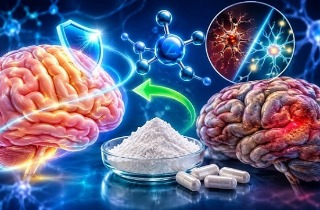
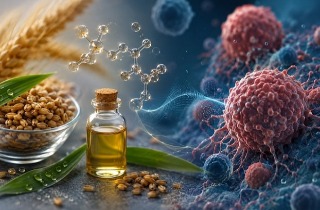
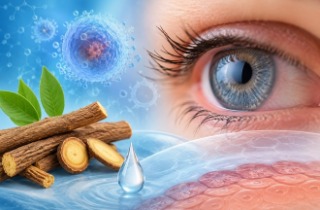
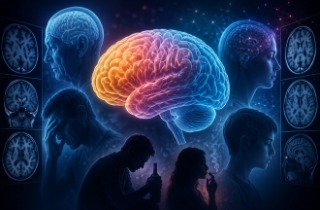
Medical News: Researchers have discovered that discarded licorice leaves, long treated as agricultural waste, may contain powerful natural compounds that could help protect brain cells from damage linked to Parkinson’s disease. The study also introduces a greener way to extract these valuable compounds, potentially creating new opportunities for both medicine and sustainable agriculture.
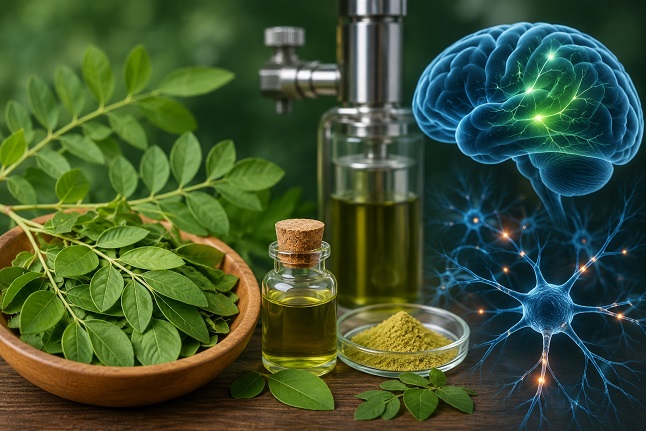 Scientists discover that compounds extracted from discarded licorice leaves may help combat Parkinson’s disease
while promoting greener pharmaceutical development
Turning Farm Waste into a Valuable Resource
The research was led by scientists from the University of Salerno, University of Milano-Bicocca, National Biodiversity Future Center (Italy), University of Valencia, European University of Valencia, and the University of Reggio Calabria. Instead of focusing on licorice roots, which are widely used in foods and herbal products, the team investigated the leaves, which are usually discarded after harvesting.
Using an environmentally friendly technique called supercritical carbon dioxide extraction, the scientists isolated flavanones, natural plant compounds with strong antioxidant properties. The process produced highly purified extracts without relying on harmful organic solvents, making it cleaner, safer, and more sustainable than conventional extraction methods.
Natural Compounds Show Strong Brain-Protective Effects
The extract was especially rich in three flavanones—pinocembrin, licoflavanone, and glabranin. Laboratory testing showed the extraction method concentrated these compounds far more effectively than traditional solvent-based methods while producing extracts with greater antioxidant activity.
The researchers found that the optimized extract reduced oxidative stress, one of the major drivers of nerve cell damage in Parkinson’s disease. The extract also slowed harmful cellular changes associated with aging, suggesting that these naturally occurring compounds may help protect cells from long-term damage.
Pinocembrin Emerges as the Leading Candidate
Among all the compounds studied, pinocembrin delivered the most impressive results.
Experiments showed that pinocembrin reduced the formation of toxic alpha-synuclein protein clumps, one of the defining features of Parkinson’s disease. These protein aggregates gradually damage nerve cells and contribute to worsening symptoms.
In yeast engineered to mimic Parkinson’s disease, pinocembrin significantly increased lifespan while lowering harmful reactive oxygen species. This
Medical News report highlights that the compound also reduced protein aggregation itself, indicating it may attack one of the disease's underlying biological mechanisms rather than simply easing symptoms.
Benefits Confirmed in Fruit Fly Parkinson’s Models
The scienti
sts also tested pinocembrin in genetically modified fruit flies that develop Parkinson’s-like symptoms.
Flies receiving the compound showed markedly better movement and coordination, demonstrating improved motor function. The treatment also reduced oxidative damage to proteins, increased cellular ATP production, and boosted glycogen storage, indicating healthier energy metabolism inside cells.
Although the compound did not significantly extend the flies' overall lifespan, it greatly improved their health during life by preserving mobility and supporting normal cellular function. These findings suggest that pinocembrin may help maintain quality of life even if it does not directly increase longevity.
Greener Extraction Could Boost Future Therapies
Beyond the neurological findings, the study demonstrated that supercritical carbon dioxide extraction can transform an overlooked agricultural by-product into a valuable source of bioactive compounds while minimizing environmental impact. The process requires no toxic solvents, generates very little waste, and could be scaled for industrial production, offering both economic and environmental benefits.
Conclusion
While these findings are still based on laboratory and animal models rather than human clinical trials, they provide compelling evidence that flavanones extracted from licorice leaves—particularly pinocembrin—may become promising candidates for future nutraceuticals and therapies targeting Parkinson’s disease and other age-related neurological disorders. Further human studies will be essential to determine their safety, effectiveness, and appropriate clinical use.
The study findings were published in the peer reviewed journal: Antioxidants.
https://www.mdpi.com/2076-3921/15/7/874
For the latest on Parkinson’s Disease, keep on logging to Thailand
Medical News.
Read Also:
https://www.thailandmedical.news/articles/herbs-and-phytochemicals
https://www.thailandmedical.news/articles/alzheimer,-dementia-




 Share
Share
 Tweet
Tweet
 Share
Share