Murine Study Shows That COVID-19 S1 Spike Protein Drives Lasting Brain Inflammation
Nikhil Prasad Fact checked by:Thailand Medical News Team Aug 21, 2026 54 minutes ago
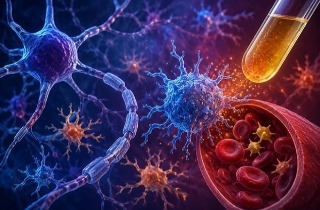
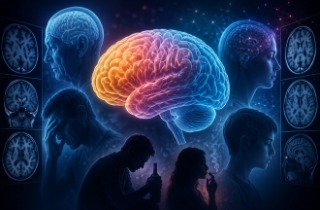
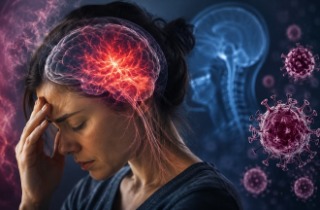
A new animal study suggests that the SARS-CoV-2 S1 spike protein can produce prolonged inflammation in the brain while reducing voluntary physical activity and disrupting normal daily activity patterns. Intriguingly, access to voluntary exercise appeared to prevent several persistent inflammatory changes.
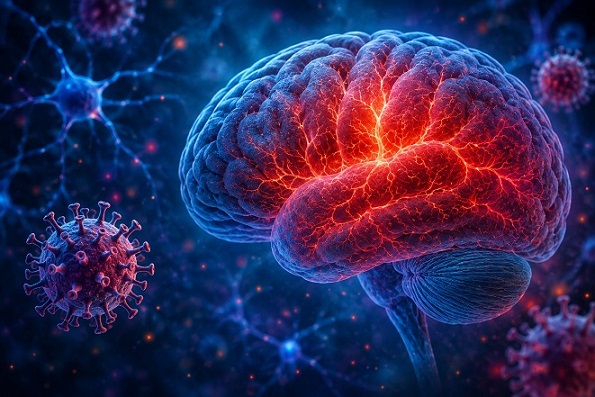 SARS-CoV-2 S1 triggered prolonged brain inflammation and disrupted activity in rats, while voluntary running
prevented several persistent inflammatory changes
Researchers Examine a Possible Long COVID Mechanism
The research focused on post-acute sequelae of SARS-CoV-2 infection, commonly called long COVID. Symptoms can include fatigue, exercise intolerance, post-exertional malaise, sleep disturbances, and changes in normal activity.
The researchers were from the University of Colorado Boulder, specifically the Department of Integrative Physiology, Department of Psychology and Neuroscience, and Center for Neuroscience.
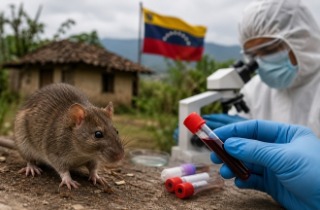
The experiment included 30 male Sprague-Dawley rats. Some remained sedentary with locked running wheels, while others had unrestricted access to wheels. After 12 days, the animals received either the SARS-CoV-2 S1 antigen or a control solution through an injection into fluid surrounding the brain.
S1 Exposure Reduced Voluntary Running
One major finding was a sustained reduction in voluntary running following S1 exposure. The decline became evident approximately seven days after administration and persisted through the study.
S1 also disrupted when the animals were active. Their peak running time shifted from approximately 9:52 p.m. to 10:49 p.m., while their lowest activity point moved from 9:51 a.m. to 10:58 a.m. The onset of running activity was also significantly delayed.
These changes suggest that S1 affected not only how much the animals wanted or were able to run but also their normal daily activity rhythm.
Exercise Linked to Striking Differences in Brain Inflammation
A particularly important finding in this
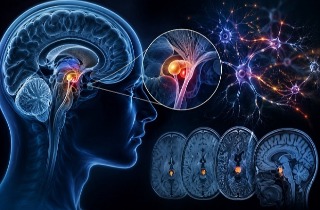
Thailand Medical News report involved the hypothalamus, a brain region involved in regulating behavior, hormones, and daily biological rhythms.
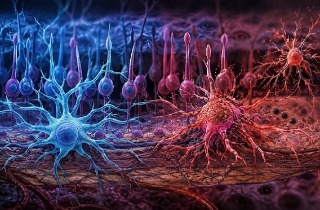
Eighteen days after S1 administration, sedentary rats continued to show elevated expression of several genes associated with neuroinflammation and immune-cell activity, including IL1β, MhcII, Tlr2, and Tlr4.
However, this persistent increase was not observed in the rats allowed to voluntarily run. Despite S1-treated animals running substantially less overall, the physical activity they performed was sufficient to prevent the prolonged upregulation of these inflammatory genes.
The researchers also examined corticosterone, an important hormone involved in stress and inflammatory regulation. S1-treated rats that exercised showed increased corticosterone levels in the hypothalamus 18 days after treatment, whereas sedentary S1-treated animals did not show this increase.
Findi
ngs Could Help Explain Persistent Symptoms
The results raise the possibility that prolonged brain inflammation following exposure to viral antigens could contribute to behavioral symptoms associated with long COVID. They also suggest physical activity and brain corticosterone may influence how long this inflammatory response persists.
However, the findings should not be interpreted as evidence that exercise treats long COVID. The study involved only male rats, the animals were never infected with SARS-CoV-2, and S1 was administered directly near the brain.
Conclusion
The study indicates that SARS-CoV-2 S1 exposure can cause persistent neuroinflammatory changes alongside reduced voluntary activity and disrupted daily activity rhythms in rats. Voluntary running prevented several lasting inflammatory gene changes, providing an important experimental clue for future research into brain-related long COVID symptoms.
The study findings were published in the peer reviewed journal: Brain, Behavior, & Immunity - Health.
https://www.sciencedirect.com/science/article/pii/S266635462600164X
Read Also:
https://www.thailandmedical.news/articles/coronavirus
https://www.thailandmedical.news/articles/long-covid




 Share
Share
 Tweet
Tweet
 Share
Share