Nikhil Prasad Fact checked by:Thailand Medical News Team Jan 29, 2026 8 months, 1 week, 16 hours, 58 minutes ago
Medical News: A new laboratory study has uncovered promising evidence that certain natural plant compounds could help protect the brain from damaging inflammation, a process linked to conditions such as stroke, multiple sclerosis, Parkinson’s disease, and other neurodegenerative disorders.
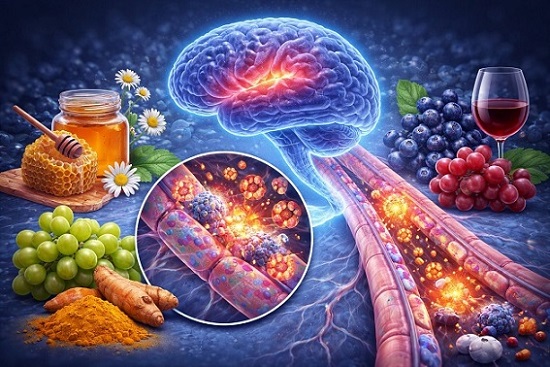 Natural plant compounds show potential to protect the brain barrier from inflammatory damage
Researchers from the Department of Neurology and Stroke at the Medical University of Lodz in Poland investigated how specific dietary polyphenols affect inflammation in brain blood vessel cells, which play a critical role in maintaining the blood–brain barrier.
Why the Blood Brain Barrier Matters
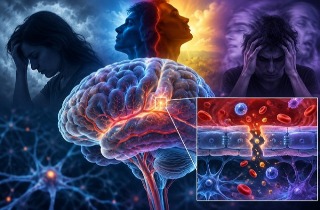
The blood–brain barrier is a protective wall formed by tightly connected cells lining brain blood vessels. Its job is to allow nutrients into the brain while blocking harmful substances. When this barrier becomes leaky, immune cells and inflammatory molecules can enter brain tissue, triggering long-term damage. Such breakdowns are commonly seen in neurological diseases.
To better understand how inflammation harms this barrier, the research team used human brain microvascular endothelial cells in the laboratory and exposed them to TNF alpha, a powerful inflammatory signal known to weaken the blood–brain barrier.
Natural Compounds Put to the Test
The scientists examined four well-known polyphenols commonly found in foods and spices: chrysin, myricetin, resveratrol, and curcumin. These compounds are present in items such as honey, fruits, red grapes, and turmeric. This
Medical News report highlights that all four substances showed some ability to counter inflammation, but two stood out clearly.
Reduced Inflammatory Signals
When brain endothelial cells were exposed to TNF alpha, they released high levels of inflammatory messengers including IL-1 beta, IL-6, and IL-8. These molecules are known to worsen inflammation and contribute to brain tissue injury. Treatment with chrysin and myricetin significantly lowered the levels of all three inflammatory signals, even at very low concentrations. Resveratrol and curcumin also reduced these markers, but the effects were weaker and not consistently significant.
Limiting Immune Cell Invasion
Another important finding involved VCAM-1, a surface molecule that allows immune cells to stick to blood vessel walls and cross into the brain. TNF alpha strongly increased VCAM-1 levels, but chrysin and resveratrol were particularly effective at reducing its expression. This suggests these compounds may help prevent immune cells from entering the brain during inflammation.
Boosting Cell Survival and Antioxidant Defenses
Beyond lowering inflammation, the study found that chrysin, resveratrol, and curcumin improved the overall health and survival of brain endothelial cells. Most of the tested polyphenols also acted as antioxidants, protect
ing cells from oxidative stress caused by harmful oxygen molecules. Curcumin showed mixed antioxidant effects, likely due to its chemical instability.
What This Means Going Forward
The findings suggest that certain polyphenols, especially myricetin and chrysin, may help preserve the integrity of the blood–brain barrier by calming inflammation, limiting immune cell invasion, and supporting cell survival. However, the researchers caution that these results come from laboratory experiments. Human studies are needed, especially because many polyphenols are poorly absorbed by the body and break down quickly.
Conclusions
Overall, this study provides strong evidence that natural polyphenols can directly protect brain blood vessel cells from inflammatory damage. By reducing harmful cytokines, lowering adhesion molecules, and improving cell viability, these compounds may one day support strategies aimed at slowing or preventing neurological diseases. Future research must focus on improving delivery and absorption so their benefits can be realized in real-world clinical settings.
The study findings were published in the peer reviewed International Journal of Molecular Sciences.
https://www.mdpi.com/1422-0067/27/3/1316
For the latest on Herbs and Phytochemicals, keep on logging to Thailand
Medical News.
Read Also:
https://www.thailandmedical.news/articles/herbs-and-phytochemicals




 Share
Share
 Tweet
Tweet
 Share
Share