Long COVID Linked to Reactivated Ancient Viral Genes and Abnormal Immune Cells, New Study Warns
Nikhil Prasad Fact checked by:Thailand Medial News Team May 27, 2026 3 months, 1 week, 1 day, 4 hours, 32 minutes ago
Medical News: Scientists from the United States have uncovered alarming new evidence suggesting that long COVID may be driven by the reactivation of ancient viral elements hidden inside human DNA, along with the emergence of abnormal immune cells that continue to fuel inflammation months after the original infection has resolved.
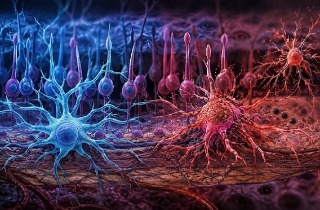
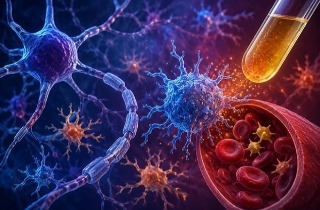
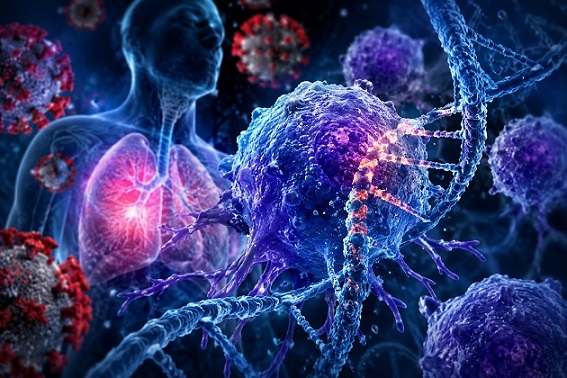 Scientists uncover abnormal immune cells and reactivated ancient viral genes that may be fueling long
COVID symptoms months after infection
The groundbreaking study was conducted by researchers Hyunmin Koo and Casey D. Morrow from the Department of Genetics and the Department of Cell, Developmental and Integrative Biology at the Hugh Kaul Precision Medicine Institute, Heersink School of Medicine, University of Alabama at Birmingham in Alabama, United States. Their findings provide fresh insight into the biological mechanisms that may be responsible for the persistent symptoms experienced by millions of long COVID sufferers worldwide.
Hidden Viral Fragments Inside Human DNA May Be Driving Long COVID
The research focused on human endogenous retroviruses, commonly known as HERVs. These are ancient remnants of viruses that infected human ancestors millions of years ago and eventually became permanently integrated into the human genome. Although these viral sequences usually remain dormant and inactive, scientists have increasingly suspected that severe infections and immune stress can reactivate them.
Using advanced single-cell RNA sequencing technology, the researchers analyzed blood immune cells collected from 12 individuals suffering from post-acute sequelae of COVID-19, also called PASC or long COVID. All of the patients continued experiencing symptoms for at least eight months following their initial SARS-CoV-2 infection. Their immune profiles were compared against samples from 30 healthy individuals.
The team discovered that several HERV regions were repeatedly activated in a specific group of immune cells known as CD14-positive monocytes. Surprisingly, these abnormal HERV activation patterns were largely absent in other major immune cell populations such as B cells, T cells, natural killer cells, and dendritic cells.
Discovery Of a Strange Hybrid Immune Cell
One HERV location in particular drew the researchers’ attention. The viral sequence, located on chromosome 3, was detected in 11 out of the 12 long COVID patients studied. This HERV region was embedded within a host gene called xCR1, which is normally associated with a specialized type of dendritic immune cell involved in antiviral defense.
Researchers found that the affected cells displayed characteristics of both monocytes and dendritic cells simultaneously. In healthy individuals, these immune cell identities are usually distinct and separate. The appearance of this unusual CD14-positive and xCR1-positive immune cell population suggests that COVID-19 may trigger long-lasting immune system reprogramming.
According to the researchers, these atypical immune cells could represent a persistent inflammatory state that continues to damage tissues and disrupt normal immune regulation long after the ac
ute infection phase has passed.
Severe COVID Cases Also Showed Similar Viral Activation
To further validate their findings, the scientists examined lung fluid samples obtained from patients hospitalized with severe COVID-19 infections. They found the same chromosome 3 HERV activation signal in several bronchoalveolar lavage samples collected from severe COVID patients.
Importantly, the viral signal was not detected in healthy lung tissues or in lung samples from tuberculosis patients. Even among COVID patients, the HERV activity appeared mainly in severe cases and was absent in mild infections. This strongly suggests that severe SARS-CoV-2 infection may trigger unique and potentially long-lasting changes in immune cell behavior.
The researchers also discovered significantly elevated expression of the xCR1 gene in long COVID patients and severe COVID lung samples. The increased activity of both the HERV region and the neighboring xCR1 gene suggests the two may be biologically connected.
Evidence Of Long-Term Immune Rewiring
This
Medical News report highlights growing scientific concern that COVID-19 may permanently alter parts of the immune system through epigenetic remodeling. Scientists now believe the virus may leave behind altered myeloid precursor cells capable of continuously producing dysfunctional inflammatory immune cells for many months or even years.
The study authors explained that circulating monocytes normally have a short lifespan and should not remain in the bloodstream for eight months after infection. This raises the possibility that deeper immune stem cell populations may have been fundamentally reprogrammed during the original COVID infection.
Why The Findings Are Important
The discovery could eventually help researchers develop diagnostic biomarkers for long COVID and potentially create targeted therapies aimed at silencing these reactivated viral elements or correcting abnormal immune cell behavior.
The researchers cautioned that the study analyzed only one group of 12 long COVID patients and additional studies involving larger patient populations are still needed. Nevertheless, the consistency of the findings across nearly all patients makes the discovery especially compelling.
Conclusion
The new study provides strong evidence that long COVID may involve persistent activation of ancient viral elements hidden within the human genome alongside the development of highly abnormal immune cell populations. The identification of CD14-positive and xCR1-positive cells suggests that SARS-CoV-2 infection may trigger deep and long-lasting immune system rewiring through epigenetic changes affecting immune precursor cells. These findings may help explain why many long COVID sufferers continue experiencing chronic inflammation, fatigue, neurological symptoms, and immune dysfunction months or years after infection. If future research confirms these observations in larger patient groups, the discovery could transform current understanding of long COVID and pave the way for entirely new diagnostic and therapeutic approaches.
The study findings were published in the peer reviewed journal: PLOS One.
https://journals.plos.org/plosone/article?id=10.1371/journal.pone.0349350
For the latest on Long COVID, keep on logging to Thailand
Medical News.
Read Also:
https://www.thailandmedical.news/articles/long-covid




 Share
Share
 Tweet
Tweet
 Share
Share