Nikhil Prasad Fact checked by:Thailand Medical News Team Jun 27, 2026 2 months, 5 days, 6 hours, 38 minutes ago
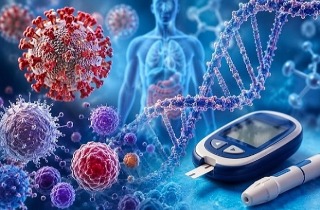
Medical News: Scientists have uncovered an important clue that could reshape future efforts to fight dangerous coronavirus infections. A new study has identified a human protein called prohibitin (PHB) as a common helper that allows several highly pathogenic coronaviruses to enter human cells. The discovery suggests that different coronaviruses may share a vulnerable point that could eventually be targeted by broad-spectrum antiviral treatments.
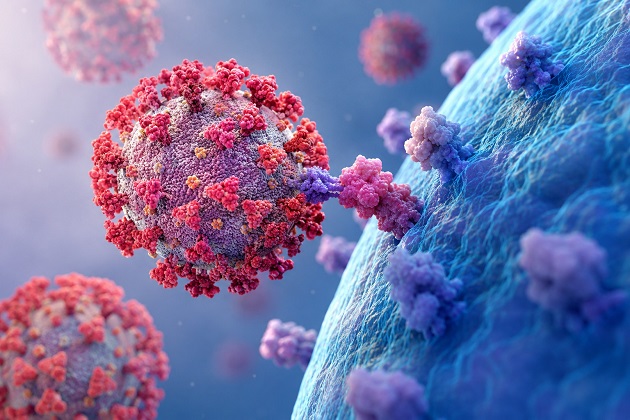 Scientists discover that the human protein prohibitin helps multiple dangerous coronaviruses enter lung cells,
revealing a promising new antiviral target
The research was carried out by scientists from the State Key Laboratory of Natural and Biomimetic Drugs at the School of Pharmaceutical Sciences, Peking University; Jiangxi Provincial Key Laboratory of Prevention and Treatment of Infectious Diseases and The First Affiliated Hospital of Jiangxi Medical College, Nanchang University; China Southwest United Graduate School; Yunnan Baiyao International Medical Research Center at Peking University; Ningbo Institute of Marine Medicine at Peking University; the State Key Laboratory of Complex Severe and Rare Diseases at Peking Union Medical College Hospital, Chinese Academy of Medical Sciences and Peking Union Medical College; and the National Center for Clinical Laboratories, Institute of Geriatric Medicine, Chinese Academy of Medical Sciences, Beijing Hospital/National Center of Gerontology.
Looking Beyond Known Coronavirus Receptors
Scientists have long known that viruses such as SARS-CoV and SARS-CoV-2 mainly use the ACE2 receptor to infect cells, while MERS-CoV relies on DPP4. However, researchers have suspected that these viruses also depend on additional human proteins that help make infection more efficient.
To investigate this, the research team developed an advanced technique combining metabolic glycoengineering with photo-crosslinking technology. This allowed them to capture proteins sitting next to coronavirus spike proteins during the earliest stages of infection without significantly disturbing the natural interaction between virus and cell.
After analyzing hundreds of captured proteins, the researchers identified PHB as one of the few host proteins consistently associated with the spike proteins of SARS-CoV, SARS-CoV-2 and MERS-CoV.
PHB Plays a Major Role in Viral Entry
This
Medical News report highlights that the researchers did much more than simply identify PHB. They tested whether the protein actually affects viral infection.
When PHB was removed or greatly reduced from the cell surface, infection by coronavirus pseudoviruses dropped sharply in liver cells, airway epithelial cells and lung-derived cell lines. When PHB was restored or artificially increased, viral entry also increased significantly. This consistent pattern strongly suggests that PHB actively helps viruses gain access to cells rather than merely being present during infection.
The scientists also showed that purified PHB proteins directly attache
d to the spike proteins from all three dangerous coronaviruses. Multiple laboratory techniques confirmed this interaction, providing strong evidence that PHB physically participates in the viral entry process.
Evidence from Human Lung Cells
Perhaps the most important finding came from experiments using primary human airway epithelial cells and human lung organoids, which closely resemble real human lung tissue.
The researchers found that PHB is naturally present in healthy human lungs, including on the surface of lung epithelial cells where respiratory viruses first establish infection. Blocking PHB with specialized antibodies dramatically reduced the ability of coronavirus pseudoviruses to attach to and infect these lung models.
The team also identified a small section of the PHB protein, spanning amino acids 139 to 154, that appears to be crucial for binding coronavirus spike proteins. Mutations within this region weakened the interaction across all three coronaviruses, suggesting that this shared binding site may represent a promising therapeutic target.
Additional experiments showed that PHB functions within cholesterol-rich membrane regions known as lipid rafts. When these membrane structures were disrupted by removing cholesterol, viral entry declined substantially. Restoring cholesterol largely restored infection, indicating that PHB works within specialized areas of the cell membrane that support coronavirus entry.
A Possible New Target for Future Treatments
The discovery is significant because PHB appears to function across multiple highly pathogenic coronaviruses instead of being limited to just one virus. Rather than replacing ACE2 or DPP4, PHB seems to act alongside these established receptors, helping viruses efficiently attach to and enter cells. That raises the possibility that future therapies targeting PHB could potentially reduce infections caused by several coronavirus species at the same time.
The study also demonstrates the value of the researchers' innovative protein-capturing technology, which could help identify additional host factors used by other emerging viruses.
The findings provide compelling evidence that membrane-associated PHB is a conserved entry factor that contributes to coronavirus infection in multiple human cell types, including realistic lung tissue models. Although additional studies using live viruses and clinical investigations are still needed, the work substantially improves scientific understanding of how dangerous coronaviruses invade human cells. It also opens an exciting avenue for developing broad-spectrum antiviral drugs that focus on human host factors instead of rapidly mutating viral proteins, potentially offering longer-lasting protection against future coronavirus outbreaks.
The study findings were published in the peer reviewed journal: Emerging Microbes & Infections.
https://www.tandfonline.com/doi/full/10.1080/22221751.2026.2686461
For the latest on coronaviruses, keep on logging to Thailand
Medical News.
Read Also:
https://www.thailandmedical.news/articles/coronavirus




 Share
Share
 Tweet
Tweet
 Share
Share