Nikhil Prasad Fact checked by:Thailand Medical News Team Jan 11, 2026 8 months, 3 weeks, 2 days, 23 hours, 23 minutes ago
Medical News: Mpox May Be Doing More Than Causing Skin Rashes
A growing group of researchers from the Department of Pharmacy School of Medicine University of Asia Pacific Dhaka-Bangladesh is warning that Mpox (Monkeypox) infection may silently ignite inflammation inside blood vessels - a process that could lead to long-term heart and artery problems. Their message is clear - Mpox is not only a skin and fever illness The virus may also trigger biological reactions that slowly damage arteries and increase the risk of cardiovascular disease.
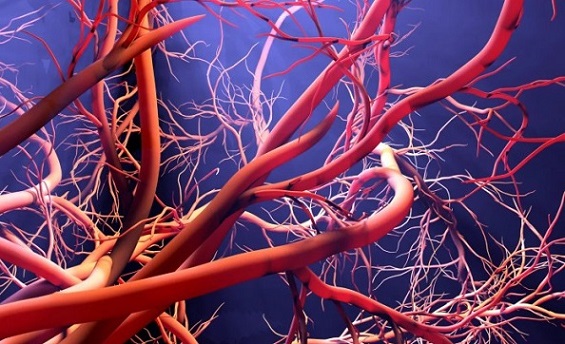 A new review suggests Mpox infection may quietly fuel artery inflammation that can grow into future heart disease
How The Virus Sneaks into Cells
A new review suggests Mpox infection may quietly fuel artery inflammation that can grow into future heart disease
How The Virus Sneaks into Cells
The team explains that Mpox uses special proteins to attach to receptors on human cells including those found in the skin immune tissues and possibly blood vessels. Once inside the virus immediately begins replicating and forces the cell to churn out new viral particles.
This triggers the release of large numbers of signaling chemicals called cytokines including IL1, IL6, TNF alpha, CCL2 and CXCL10. These messengers are meant to protect the body but when produced in excess they can spark widespread inflammation within arteries and heart tissue.
Why Blood Vessels Become Vulnerable
According to the report covered in this
Medical News coverage, this cascade of inflammation may directly injure the fine lining of blood vessels known as the endothelium.
When this lining becomes irritated it stops functioning normally. Blood flow becomes irregular and the vessel surface grows sticky causing circulating immune cells to latch on.
The researchers also point to an increase in reactive oxygen species chemicals that promote oxidative stress which further erodes the vessel walls and weakens antioxidant defenses.
Once immune cells attach, they squeeze through the vessel wall and cluster inside turning normal tissue into early plaque and setting the stage for atherosclerosis.
Chain Reaction Toward Heart Disease
The paper highlights several steps that may transform a short-lived viral infection into long term vascular injury
• Immune cells roll and stick to damaged vessel walls
• Cytokines activate surface adhesion molecules such as ICAM1 and VCAM1
• Monocytes and macrophages gather and start eating oxidized cholesterol
• Foam cells form the earliest hallmark of artery plaque
• Vessel walls thicken and inflammation becomes chronic
Why This Warning Matters Now
Most Mpox coverage has focused on skin lesions fever and transmission. However, the Bangladesh team stresses that people with diabetes, obesity, smoking habits or existing heart risk may suffer greater vessel damage during or after infection.
;
They warn that a similar pattern was seen with COVID-19 - many patients later developed vascular complications even after mild infections.
Conclusion
The researchers stress that Mpox could be silently contributing to cardiovascular disease by driving oxidative stress immune cell activation and artery wall remodeling. If this link is proven, it means Mpox is not only an acute illness but may also be a trigger that pushes borderline patients toward future hypertension, atherosclerosis, clotting problems and heart attacks. Understanding these hidden effects may reshape both treatment and prevention strategies especially in vulnerable populations and highlights an urgent need for long term cardiovascular monitoring after infection.
The study findings were published in the peer reviewed journal: Health Science
Reports.
https://onlinelibrary.wiley.com/doi/10.1002/hsr2.2223
For the latest on Mpox, keep on logging to Thailand
Medical News.
Read Also:
https://www.thailandmedical.news/articles/monkeypox




 Share
Share
 Tweet
Tweet
 Share
Share

































