South Korean Researchers Discover That Brown Seaweed from Busan Shows Strong Anti-Inflammatory Effects
Nikhil Prasad Fact checked by:Thailand Medical News Team Dec 11, 2025 9 months, 3 weeks, 2 days, 15 hours, 58 minutes ago
Medical News: A Natural Marine Remedy
A new study by researchers from Dankook University in South Korea has uncovered a promising natural source of antioxidant and anti-inflammatory benefits in the brown seaweed known as Sargassum thunbergii. This seaweed, commonly found along the Korean coastline, was collected from seven different regions and tested for its potential health benefits. The research revealed that the samples from Haeundae-gu, a coastal area in Busan, stood out significantly.
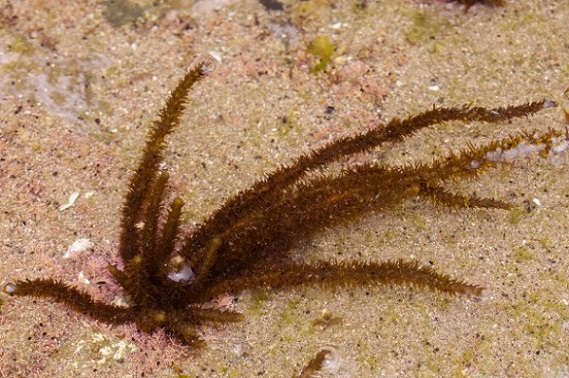 Busan’s brown seaweed shows the strongest anti-inflammatory effect among Korea’s coastal varieties,
hope for future natural therapies
This
Medical News report dives into how this regional variation makes a major difference in the seaweed’s bioactive properties and explores the science behind why the Haeundae-gu variety may be a powerful candidate for developing future supplements and anti-inflammatory therapies.
High Antioxidant Content Found in Busan Sample
The researchers measured the levels of beneficial plant compounds in the seaweed, including polyphenols and flavonoids, which are known for their antioxidant properties. The seaweed from Haeundae-gu had the highest total polyphenol content (47.3 mg GAE/g) and flavonoid content (19.8 mg QE/g), far surpassing samples from other regions like Seogwipo-si and Uljin-gun.
To assess its ability to neutralize harmful molecules called free radicals, the team used several laboratory tests such as the DPPH, ABTS, and FRAP assays. Once again, the Haeundae-gu extract showed the strongest antioxidant activity with a low RC50 value—meaning it could neutralize radicals at smaller amounts—making it a top performer among all the tested seaweed samples.
Potent Anti-Inflammatory Action Without Toxicity
One of the most remarkable findings was the seaweed’s ability to reduce inflammation in immune cells. Using RAW 264.7 macrophages (a type of immune cell), the scientists showed that the Haeundae-gu extract significantly reduced nitric oxide (NO) production, a key marker of inflammation. Importantly, this effect was achieved without harming the cells, even at higher concentrations, confirming the extract’s safety profile.
Further analysis revealed that the extract also suppressed the expression of iNOS (inducible nitric oxide synthase), an enzyme heavily involved in the inflammation process. This means the seaweed didn’t just block the symptom of inflammation—it tackled its root cause.
Fucosterol Identified as a Key Compound
Using high-performance liquid chromatography (HPLC), the researchers identified a compound called fucosterol in the Haeundae-gu extract, with a concentration of 10.23 mg/g. Fucosterol is a type of plant sterol found in brown algae and is already known for its anti-inflammatory and cholesterol-lowering effects.
To understand how fucosterol works on a molecul
ar level, the researchers performed computer simulations, known as molecular docking, to see how the compound interacts with the iNOS enzyme. They found that fucosterol could bind directly to a specific part of the enzyme (TYR489), which helps explain how it reduces inflammation. Although not as strong as synthetic drugs, its natural origin and safety make it a strong contender for therapeutic use.
Environmental Influence on Seaweed Potency
What makes this discovery even more compelling is the fact that the seaweed’s potency varies depending on where it grows. Environmental factors like seawater temperature, salinity, sunlight, and stress from nearby pollution can influence how much of the beneficial compounds are produced. Haeundae-gu’s unique coastal environment may encourage higher production of both polyphenols and fucosterol, making its seaweed especially potent.
Conclusion
The research clearly shows that Sargassum thunbergii from the Haeundae-gu region offers powerful antioxidant and anti-inflammatory effects thanks to its high polyphenol and fucosterol content. These findings support its potential for use in nutraceuticals and therapeutic formulations. While further clinical studies are needed, this brown seaweed could become a valuable tool in fighting inflammation-related diseases naturally. Future work may also explore large-scale cultivation in optimal environments to standardize its medical use.
The study findings were published in the peer reviewed journal: Biomedicines.
https://www.mdpi.com/2227-9059/13/11/2808
For the latest Anti-Inflammatory remedies, keep on logging to Thailand
Medical News.
Read Also:
https://www.thailandmedical.news/articles/herbs-and-phytochemicals




 Share
Share
 Tweet
Tweet
 Share
Share

































