Nikhil Prasad Fact checked by:Thailand Medical News Team Aug 26, 2026 52 minutes ago
Long COVID may be creating a substantial pain burden among young adults, with new research finding that about four in ten nursing students with the condition experienced pain months after their initial COVID-19 infection.
 New research finds pain affects about four in ten young nursing students with Long COVID, with headaches, fatigue, and gastrointestinal problems standing out
The study focused on 307 nursing students aged 18 to 29 in the State of Mexico who had confirmed COVID-19 and persistent health problems at least three months after infection. Overall, 124 students, or 40.4%, reported pain.
Headaches Dominated the Pain Complaints
The researchers recorded 198 separate pain-related manifestations because some students experienced more than one type. Headaches accounted for 48% of these complaints, making them the most common. Chest oppression represented 26.8%, while muscle pain accounted for 23.2%. Pulmonary pain and joint pain were much less common, each representing 1%.
Pain affected 39% of female students and 46.6% of male students. The 24-to-26-year-old group recorded the largest number of students reporting pain. However, after other factors were considered in the statistical model, sex and age were not independently linked to the likelihood of pain.
Fatigue and Digestive Problems Stand Out
One of the most important findings was the relationship between pain and other persistent Long COVID symptoms. Students reporting fatigue had about 2.6 times the odds of experiencing pain compared with those without fatigue.
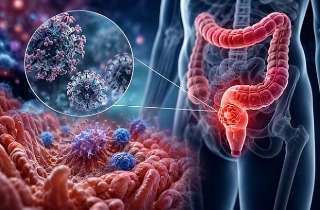
Gastrointestinal problems showed an even stronger relationship. Students with digestive-system alterations had approximately 3.5 times the odds of reporting pain. These findings suggest that Long COVID pain may occur alongside problems affecting several different parts of the body rather than existing as an isolated symptom.
As highlighted in this
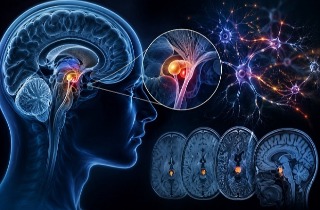
Thailand Medical News report, the results support the growing understanding of Long COVID as a multisystem condition capable of affecting neurological, gastrointestinal, sensory, respiratory, and other bodily functions.
Interestingly, altered taste was associated with substantially lower odds of reporting pain, while decreased vision was also associated with lower odds. The researchers cautioned against interpreting these findings as protective effects. They could instead reflect different Long COVID symptom patterns, statistical relationships between symptoms, or differences in which symptoms participants considered most important.
Long COVID Produced Widespread Symptoms
The students collectively reported 1,747 post-COVID clinical manifestations. Breathing difficulty was especially prominent, alongside altered taste, painful or difficult urination, loss of smell, excessive sleepiness, headaches, and fatigue.
The research institutions involved were the Autonomous University of the State of Mexico, National University of Colombia, Ixtapaluca Regional High-Speciality Hospital/IMSS-BIENESTAR, and University of Colim
a.
Conclusions
The findings indicate that persistent pain can remain an important part of Long COVID even among young adults. Fatigue and gastrointestinal problems were particularly associated with pain, emphasizing that Long COVID can involve several body systems simultaneously and may require broader clinical assessment rather than attention to a single lingering symptom.
The study findings were published in the peer reviewed journal: Nursing Reports.
https://www.mdpi.com/2039-4403/16/9/302
Read Also:
https://www.thailandmedical.news/articles/coronavirus
https://www.thailandmedical.news/articles/long-covid




 Share
Share
 Tweet
Tweet
 Share
Share