Cooler Sleep Environments Appear to Aid Nightly Heart Repair, New Research Suggests
Nikhil Prasad Fact checked by:Thailand Medical News Team Jan 08, 2026 8 months, 3 weeks, 6 days, 57 minutes ago
Thailand Health News: Hot Nights Quietly Stress the Aging Heart
Keeping bedrooms cooler may be a simple tool to protect heart health in older adults, according to new findings by researchers from Griffith University and its School of Allied Health Sport and Social Work. Their study shows that even small rises in nighttime temperature can trigger hidden stress responses, forcing the heart to work harder when it should be resting and repairing.
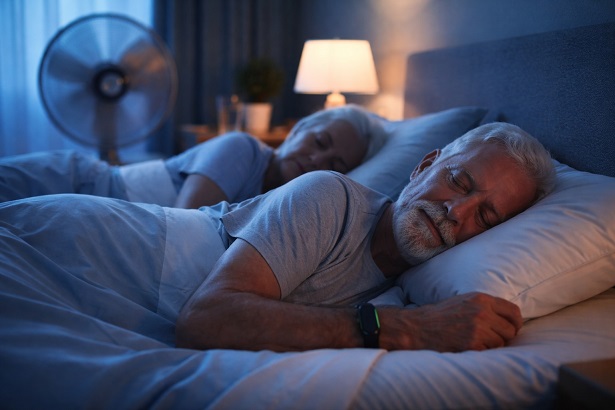 Cooler bedrooms may give aging hearts vital recovery time overnight
Why Temperature During Sleep Matters
Cooler bedrooms may give aging hearts vital recovery time overnight
Why Temperature During Sleep Matters
Most people think about heat as a daytime threat. However, this
Thailand Health News report reveals that hot nights could be just as harmful.
When bedroom temperatures rise above 24°C, the body responds as if it is under thermal pressure. The heart increases its rate to move blood toward the skin surface in an effort to cool down. This means older adults who sleep in warm rooms may lose their physiological chance to recover from daytime heat exposure.
Inside the Study
The research team tracked 47 adults aged 65 and older living independently in southeast Queensland.
Participants wore wrist fitness devices that recorded heart rate and heart rate variability while temperature sensors monitored bedrooms every night from 9 PM to 7 AM throughout a full summer season.
More than 14,000 hours of sleep data were collected, offering one of the most complete real-world examinations of nighttime heat and cardiovascular stress in seniors.
Clear Evidence of Heat Related Strain
The results show a steady climb in heart stress as temperatures rose:
-Below 24°C – normal recovery patterns and stable heart function
-24–26°C – 40 percent higher chance of autonomic disturbance
-26–28°C – odds double of heart rhythm strain
-Above 28°C – nearly threefold rise in physiological stress markers
The study observed both increased heart rates and reduced heart rate variability, a sign that the nervous system shifts from restful recovery toward fight or flight mode.
Climate Change Raises the Stakes
With hotter nights becoming more frequent in many countries, the researchers warn that seniors are likely to face greater overnight cardiovascular stress. Those with existing illnesses or without reliable cooling may face even higher risk.
Conclusion
Maintaining bedrooms at or below 24°C appears to support nightly heart repair and reduce unseen strain in older adults, and the findings strongly reinforce calls for official nighttime temperature guidelines that help safeguard vulnerable individuals
as global heat intensifies.
The study findings were published in the peer reviewed journal: BMC Medicine
https://link.springer.com/article/10.1186/s12916-025-04513-0
For the latest
Health News, keep on logging to Thailand Medical News.
Read Also:
https://www.thailandmedical.news/articles/health-news




 Share
Share
 Tweet
Tweet
 Share
Share

































