Nikhil Prasad Fact checked by:Thailand Medical News Team Jan 13, 2026 8 months, 3 weeks, 1 day, 1 hour, 48 minutes ago
Medical News: Older Adults Still Getting Risky Brain-Affecting Medicines
A sweeping national investigation led by Yale School of Medicine-USA and supported by VA Connecticut Healthcare System-USA, the David Geffen School of Medicine at UCLA-USA, VA Greater Los Angeles-USA, RAND Corporation-USA, and the University of Michigan Medical School-USA has revealed an ongoing public health concern affecting millions of older Americans.
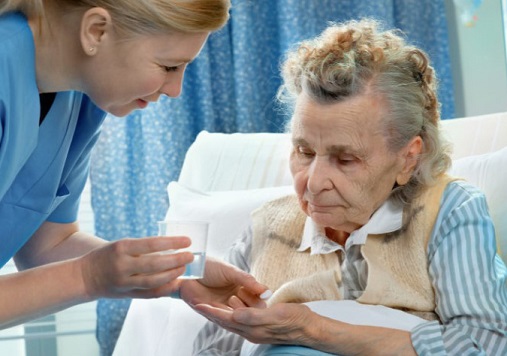 Researchers warn one in four dementia patients still receive risky CNS medicines
Despite decades of caution from clinical guidelines, many seniors—especially those with memory loss—continue to receive brain-altering medicines known to trigger falls, delirium, confusion, and emergency hospital admissions.
A Nationwide Look Across Nearly a Decade
In this
Medical News report, researchers linked Medicare fee-for-service records with information from the respected Health and Retirement Study to track prescriptions from January 2013 through December 2021.
The team reviewed five categories of central nervous system (CNS) active medications considered risky under the Beers Criteria: benzodiazepines, non-benzodiazepine sleep pills, antipsychotics, barbiturates, and antidepressants with strong anticholinergic effects.
Participants were separated into three groups—normal cognition, cognitive impairment without dementia, and diagnosed dementia—providing one of the clearest pictures yet of real prescribing practices.
High Exposure Among Those Most Vulnerable
The results were striking. Although prescribing declined slightly over the years, use remained widespread.
About 17 percent of seniors with normal cognition received one or more CNS-active drugs. Nearly 22 percent of people with cognitive impairment took them.
Among individuals living with dementia, the number climbed even higher to roughly one in four.
More worrying still, more than two-thirds of those given these drugs in 2021 had no clinically documented reason for receiving them, suggesting doctors may be reflexively prescribing medication instead of assessing safer alternatives.
Which Drugs Are Falling and Which Are Rising
The research also mapped clear shifts in prescribing habits. Benzodiazepines dropped from 11.4 percent to 9.1 percent over the study window. Non-benzodiazepine sleep medicines plunged from 7.4 percent to just 2.9 percent, reflecting increased awareness of the harms associated with long-term use. Barbiturates were rarely used and dipped slightly from 0.4 percent to 0.3 percent.
However, antipsychotic use rose from 2.6 percent to 3.6 percent—despite especially strong warnings against prescribing them to patients with dementia, where they can worsen confusion and increase stroke and death risk.
Anticholinergic antidepressant prescribing remained un
changed at 2.6 percent.
Progress Mixed with Persistent Safety Gaps
Likely inappropriate prescriptions fell sharply from 15.7 percent to 11.4 percent, while clearly justified prescribing nudged downward only slightly from 6 percent to 5.5 percent.
The authors note limitations including exclusion of Medicare Advantage data, missing details on symptoms such as agitation, and focus on counts rather than treatment duration. Even with those caveats, the message is unmistakable.
Conclusions
The study shows that America still leans far too heavily on medications that can worsen the very symptoms they are meant to treat. The authors argue that better physician education, more support for caregivers, and structured deprescribing programs could dramatically reduce harm. Because older adults with cognitive impairment are intensely vulnerable to drug side effects, every unnecessary pill adds risk. Ensuring treatment plans are reviewed frequently, alternatives discussed openly, and medications stopped when not beneficial could meaningfully reduce confusion, falls, hospital visits, and suffering for millions of families nationwide.
The study findings were published as a research letter in the peer-reviewed journal: JAMA
https://jamanetwork.com/journals/jama/article-abstract/2843713
For the latest on dangerous drugs for the elderly, keep on logging to Thailand
Medical News.
Read Also:
https://www.thailandmedical.news/articles/med-news




 Share
Share
 Tweet
Tweet
 Share
Share

































