Nikhil Prasad Fact checked by:Thailand Medical News Team Jun 16, 2026 3 months, 2 weeks, 4 days, 44 minutes ago
Medical News: Iron is vital for life. It helps the body carry oxygen, produce energy, and support countless biological processes. However, new research is highlighting a less discussed reality: when iron escapes the tightly controlled systems that normally contain it, the consequences can be harmful, especially for blood vessels and the lungs.
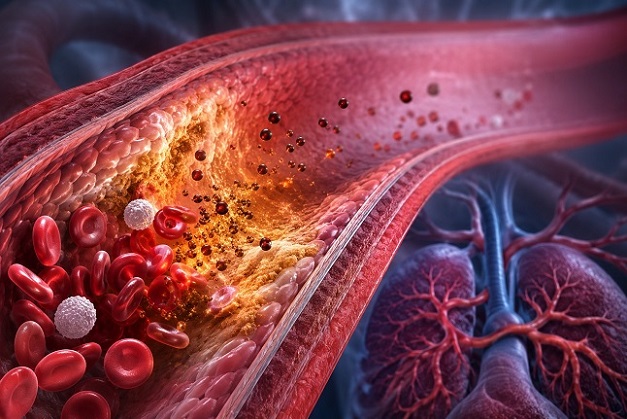 Scientists reveal how misplaced iron can damage blood vessels and contribute to pulmonary hypertension and
other serious diseases
A new scientific review has examined how disruptions in the body's iron management system can trigger damage to vascular endothelial cells, the delicate cells that line the inside of blood vessels. The researchers warn that misplaced iron may be a major driving force behind a wide range of cardiovascular and pulmonary diseases.
The study was conducted by scientists from the National Heart and Lung Institute at Imperial College London, the Organic and Biological Analytical Chemistry Group (OBIACHEM) at Liège University in Belgium, the Faculty of Life Sciences at University College London, and the Royal Brompton Hospital Adult Centre for Pulmonary Hypertension in London.
Why Iron Must Be Kept Under Tight Control
Although the human body contains only a few grams of iron, it is one of the most important minerals for survival. Normally, iron is carefully stored and transported by specialized proteins that prevent it from causing harm.
Problems begin when iron escapes these protective compartments. This can happen during the destruction of red blood cells, severe inflammation, iron overload conditions, major trauma, blood transfusions, or the use of heart and lung support machines.
When iron becomes freely available in the bloodstream, it can react with oxygen and generate harmful molecules known as reactive oxygen species. These unstable molecules damage cells, proteins, and tissues.
The review explains that endothelial cells are especially vulnerable because they are constantly exposed to circulating blood and are often the first cells to encounter excess iron.
How Blood Vessels Become Damaged
The researchers identified several common effects of iron mismanagement. Free iron, free hemoglobin, and free heme can reduce the availability of nitric oxide, a molecule that helps blood vessels relax and maintain healthy blood flow. As nitric oxide levels fall, blood vessels become less flexible and more prone to dysfunction.
At the same time, oxidative stress rises sharply. Endothelial cells become activated, triggering inflammation and attracting immune cells. Over time, these changes can lead to thickening and remodeling of blood vessel walls.
The review links these mechanisms to diseases such as atherosclerosis, sickle cell disease, thalassemia, vascular dementia, chronic kidney disease, and complications associated with extracorporeal membrane oxygenation (ECMO) and cardiopulmonary bypass procedures.
Pulmonary Hypertension Emerges as a Key Concern
One of the most important sections of the
review focuses on pulmonary hypertension, a serious condition in which pressure inside the arteries of the lungs becomes dangerously elevated.
Researchers suggest that abnormal iron compartmentalization may play a central role in the disease. Excess iron appears capable of disrupting mitochondrial function, the process by which cells generate energy. Damaged mitochondria produce more oxidative stress, creating a vicious cycle of cellular injury.
This
Medical News report notes that the review also highlights the role of the hepcidin-ferroportin system, the body's master regulator of iron movement. When this system becomes disrupted, iron can accumulate inside pulmonary vascular cells, encouraging abnormal cell growth and blood vessel remodeling.
The authors also examined ferroptosis, a recently recognized form of iron-dependent cell death. Evidence suggests that ferroptosis may contribute to endothelial injury in pulmonary hypertension while simultaneously promoting harmful changes in surrounding vascular cells.
A Potential New Therapeutic Target
The researchers believe that correcting abnormal iron handling could open new treatment opportunities. Therapies aimed at restoring proper iron compartmentalization, reducing excess iron accumulation, or modifying the hepcidin-ferroportin pathway may help protect blood vessels and slow disease progression.
Conclusion
The review presents compelling evidence that iron is far more than a simple nutrient. When its normal storage and transport systems fail, iron can become a powerful driver of oxidative stress, inflammation, endothelial dysfunction, and vascular remodeling. The findings suggest that disrupted iron compartmentalization may represent a common underlying mechanism linking numerous cardiovascular and pulmonary disorders. As understanding of iron biology continues to grow, targeting iron regulation pathways could become an important strategy for preventing and treating diseases that currently have limited therapeutic options.
The study findings were published in the peer reviewed journal: Antioxidants.
https://www.mdpi.com/2076-3921/15/6/757
For the latest on iron and its health effects, keep on logging to Thailand
Medical News.
Read Also:
https://www.thailandmedical.news/news/hidden-iron-deficiency-may-trigger-deadly-covid-19-risks
https://www.thailandmedical.news/news/iron-driven-brain-cell-death-linked-to-mental-illness




 Share
Share
 Tweet
Tweet
 Share
Share

































