Nikhil Prasad Fact checked by:Thailand Medical News Team Jun 15, 2026 3 months, 2 weeks, 5 days, 2 hours, 30 minutes ago
Medical News: A growing body of scientific evidence is raising concerns about the tiny plastic particles that are increasingly finding their way into the foods and drinks people consume every day. Researchers are now warning that microplastics and nanoplastics may not simply pass harmlessly through the body. Instead, they could disrupt the gut microbiome, damage the intestinal lining, trigger chronic inflammation, and potentially contribute to the development of colorectal cancer.
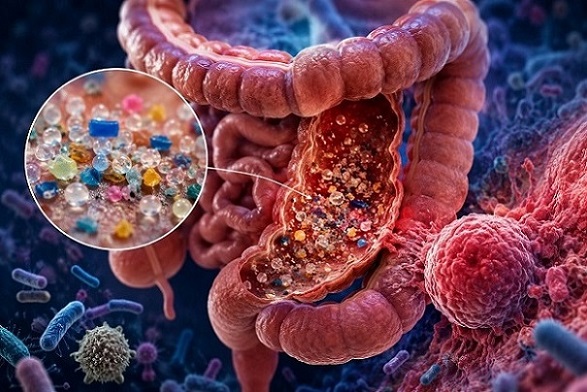 New research suggests that microplastics and nanoplastics in everyday foods may disrupt gut health and
potentially increase colorectal cancer risk
The new review was conducted by researchers from the Department of Internal Medicine at University Hospitals Cleveland Medical Center in Ohio, the University of Toledo in Ohio, Trinity Health in Michigan, Sentara Gastroenterology Specialists in Virginia, and the Division of Gastroenterology at the Macon and Joan Brock Virginia Health Sciences at Old Dominion University in Virginia.
Tiny Plastic Particles Are Entering the Human Body Daily
Microplastics are plastic fragments smaller than 5 millimeters, while nanoplastics are even tinier particles measuring less than 100 nanometers. Due to widespread plastic pollution, these particles have become common contaminants in drinking water, seafood, packaged foods, and even the air that settles on food.
The researchers estimate that a typical person may ingest at least 52,000 plastic particles annually through diet alone. The actual number may be far higher because many food sources have not yet been fully studied.
Scientists have already detected microplastics in human stool samples and even in tissues removed during colon surgery, confirming that these particles are entering and interacting with the human digestive system.
How Plastics May Damage the Gut
According to the review, the gastrointestinal tract is likely the first major site where plastic particles begin affecting human health. The gut is home to trillions of beneficial microbes that help regulate digestion, immunity, and inflammation.
Studies in animals and laboratory models consistently show that exposure to microplastics can reduce the diversity of healthy gut bacteria while encouraging the growth of microbes linked to inflammation. Particularly concerning is the reduction of beneficial bacteria that help produce short-chain fatty acids, compounds that are essential for maintaining a healthy intestinal barrier and controlling immune responses.
Researchers also found evidence that plastic particles may interfere with bile acid metabolism, another critical process involved in regulating inflammation and maintaining digestive health.
A Leaky Gut and Chronic Inflammation
One of the most alarming findings is the effect of plastic particles on the protective lining of the intestine.
Animal studies showed that exposure to microplastics reduced mucus production, weakened tight junction proteins that hold intestinal cells together, and increased intestinal permeability. This condition, often referre
d to as a "leaky gut," allows harmful substances to cross into surrounding tissues and trigger immune responses.
The review also found that plastic exposure activates several inflammatory pathways. Increased levels of inflammatory molecules, including interleukin-1 alpha and other immune signaling proteins, were repeatedly observed in experimental studies.
This
Medical News report notes that chronic inflammation is widely recognized as one of the major driving forces behind many gastrointestinal diseases, including inflammatory bowel disease and colorectal cancer.
Evidence Linking Plastics to Colon Cancer
Perhaps the most troubling findings involve the possible connection between plastic exposure and colorectal cancer.
Recent human studies have found that people with colorectal cancer tend to have significantly higher concentrations of microplastics in their stool compared to healthy individuals. Similar observations were made in patients with inflammatory bowel disease, where higher microplastic levels were associated with more severe disease.
Laboratory investigations suggest several possible mechanisms behind this relationship. Plastic particles can generate oxidative stress that damages DNA, disrupt hormone signaling, alter gene expression, and promote chronic inflammation. Nanoplastics appear especially concerning because their extremely small size allows them to enter cells more easily and potentially spread throughout the body.
Animal studies further demonstrated that exposure to microplastics increased tumor growth and accelerated cancer-related changes in the colon. Some recent findings even suggest that microplastics embedded within tumors may interfere with cancer immunotherapy responses.
Infants and People with Gut Disorders May Face Greater Risks
The review highlights infants as a particularly vulnerable population. Previous studies have shown that polypropylene baby bottles can release enormous numbers of microplastic particles during formula preparation.
People with inflammatory bowel diseases such as Crohn's disease and ulcerative colitis may also be more susceptible. Because their intestinal barriers are already compromised, plastic particles may worsen inflammation and potentially become trapped within intestinal tissues.
Conclusion
The evidence reviewed by the researchers suggests that microplastics and nanoplastics are far more than environmental pollutants. Growing data indicate that these particles can alter the gut microbiome, weaken the intestinal barrier, activate inflammatory pathways, and potentially contribute to conditions such as inflammatory bowel disease and colorectal cancer. While researchers emphasize that definitive proof of direct causation in humans has not yet been established, the consistency of findings across laboratory, animal, and early human studies is increasingly difficult to ignore. Future studies will need to determine whether reducing exposure to plastic-contaminated foods and beverages can meaningfully improve gut health and lower disease risks. Until then, the findings provide another compelling reason to reduce unnecessary contact between food and plastic whenever possible.
The study findings were published in the peer reviewed journal: Microorganisms.
https://www.mdpi.com/2076-2607/14/6/1309
For the latest on colon cancer, keep on logging to Thailand
Medical News.
Read Also:
https://www.thailandmedical.news/articles/cancer
https://www.thailandmedical.news/articles/gastroenterology




 Share
Share
 Tweet
Tweet
 Share
Share

































