BREAKING! Thailand Doctors Find New Protein Profile Changes in HIV Patients Who Had Recovered from COVID-19
Nikhil Prasad Fact checked by:Thailand Medical News Team Dec 12, 2025 9 months, 3 weeks, 2 days, 6 hours, 7 minutes ago
Thailand Doctors: Unusual Proteomic Changes May Explain Long Term Health Risks
Strange protein changes discovered in the blood of HIV-positive individuals who recovered from COVID-19 may be clues to long-lasting health issues and immune system disruptions. A new study by researchers from Thammasat University, the Office of Disease Prevention and Control Region 11 Nakhon Si Thammarat, and the National Center for Genetic Engineering and Biotechnology in Thailand found evidence that SARS-CoV-2 leaves behind molecular fingerprints that are unique and concerning when combined with HIV. These effects could potentially worsen inflammation, fatigue, and cognitive problems in people already living with HIV, even after recovering from COVID-19. This Medical News report dives into what the team uncovered through state-of-the-art testing and analysis.
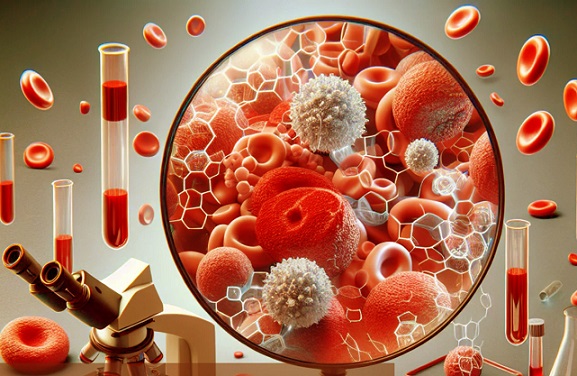 Scientists discover strange protein shifts in HIV patients post COVID hinting at hidden inflammation and future health risks
The Proteomic Puzzle of HIV and COVID Coinfection
Scientists discover strange protein shifts in HIV patients post COVID hinting at hidden inflammation and future health risks
The Proteomic Puzzle of HIV and COVID Coinfection
The study by the
Thailand Doctors focused on blood plasma from 90 people, divided into three groups: HIV-positive individuals who had recovered from COVID-19, those with HIV alone, and healthy people. Using high-tech mass spectrometry to analyze proteins, researchers identified 13,675 proteins and noticed that people with both HIV and past COVID-19 infections showed a very different pattern of proteins in their blood compared to the other groups.
Ten specific proteins—PRR11, TEX14, METTL9, NMD3, PXT1, CRISP2, MELK, SPF27, GCP6, and GTPBP8—stood out. These are involved in important cell functions such as cell division, RNA processing, and mitochondrial activity (which powers cells). Many of them are typically found in the cell nucleus or cytoplasm, suggesting that COVID-19 may have triggered changes deep inside the body’s cellular machinery in HIV patients.
Why These Changes Matter
These protein shifts aren’t just odd—they may signal real problems. For instance, PRR11 is linked to rapid cell division, which can become harmful when uncontrolled. METTL9 affects mitochondria and energy production, while MELK has been tied to stress responses. Other proteins, like CRISP2 and TEX14, are usually seen in male reproductive tissues but appeared in blood plasma—possibly due to inflammation or stress disrupting barriers in the body.
The presence of these proteins suggests that even a mild COVID-19 infection can leave lingering disruptions in the body of someone living with HIV. These changes may lead to fatigue, brain fog, or even longer-term immune system issues, and they may not be visible in normal blood tests.
The Big Picture Behind the Biomarkers
The study went further, showing how these proteins may connect to inflammation, immune exhaustion, and even brain function. Networks formed between proteins and known inflammatory markers such as IL-6 and TNF-α s
how how post-COVID inflammation could affect the body in ways that persist long after recovery.
In particular, the protein changes suggest effects on energy production, brain cell activity, and the immune system’s ability to regulate itself. While the study used pooled blood samples (meaning not from individual people), the patterns are consistent with what scientists are now learning about long COVID and its overlap with chronic HIV conditions.
Warning Signs and Next Steps
The authors note that larger studies are needed to confirm these findings in individual patients and explore whether these protein changes can be used to predict long COVID or other chronic issues. But even at this early stage, the research suggests that HIV-positive people may face unique risks after a COVID-19 infection—even if they seem to recover well initially.
Conclusion
This research uncovers hidden molecular damage in HIV-positive individuals who recover from COVID-19. It shows that their bodies may experience a deeper, more persistent disruption at the cellular level, affecting the immune system, metabolism, and brain health. These findings could eventually help doctors monitor at-risk patients more closely and guide new treatments to prevent long-term complications. While more studies are needed, the message is clear—HIV patients recovering from COVID-19 should not be overlooked, even when symptoms seem mild.
The study findings were published in the peer reviewed journal: BMC Infectious Diseases.
https://link.springer.com/article/10.1186/s12879-025-12307-1
For the latest COVID-19 News, keep on logging to Thailand
Medical News.
Read Also:
https://www.thailandmedical.news/articles/coronavirus
https://www.thailandmedical.news/articles/long-covid




 Share
Share
 Tweet
Tweet
 Share
Share

































