Nikhil Prasad Fact checked by:Thailand Medical News Team Jan 23, 2026 8 months, 1 week, 4 days, 21 hours, 25 minutes ago
Medical News: Romanian Researchers from the Doctoral School of Biological and Biomedical Sciences at the University of Oradea, the Faculty of Medicine and Pharmacy at the University of Oradea, the Clinical County Emergency Hospital Bihor, and the National Institute of Pathology and Biomedical Sciences Victor Babes in Bucharest have issued a serious warning about the potential dangers of consuming bay leaf tea regularly, following the documentation of a troubling medical case.
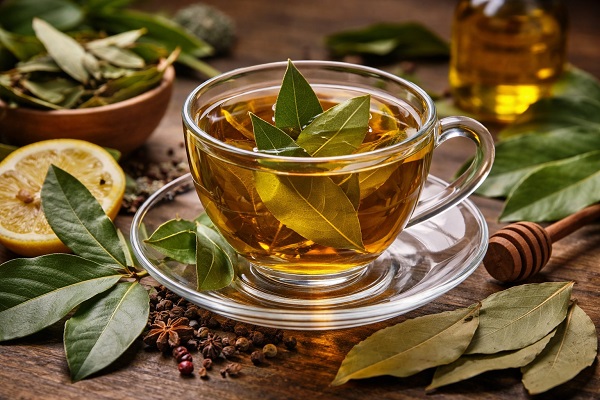 A commonly used kitchen herb consumed as tea was found to cause serious liver injury when taken
regularly in concentrated amounts
A Popular Natural Remedy with Unexpected Consequences
Bay leaves, commonly used in cooking and traditional home remedies, are often seen as harmless. However, this
Medical News report highlights how excessive or prolonged use in the form of concentrated herbal infusions may quietly harm the liver. The case involved a 55-year-old woman with no previous liver disease who began drinking bay leaf tea twice daily after reading online claims about its supposed detoxifying benefits.
Symptoms That Slowly Raised Alarm
Over three months, the woman developed increasing fatigue, poor appetite, abdominal discomfort, digestive issues, and a dramatic unintentional weight loss of around 12 kilograms. Blood tests revealed alarmingly high liver enzyme levels, clear indicators that liver cells were being damaged. Despite initial supportive treatment, her condition worsened, prompting doctors to investigate further.
Ruling Out Other Causes
Doctors conducted extensive testing to exclude viral hepatitis, autoimmune liver disease, genetic disorders, alcohol related damage, and medication toxicity. Imaging scans showed no major structural abnormalities, and specialized tests confirmed that fat buildup and fibrosis were minimal at first. With common causes ruled out, attention turned to her daily herbal intake.
The Liver Biopsy and Key Findings
A liver biopsy revealed inflammation, dying liver cells, and areas of tissue damage consistent with toxic injury. Importantly, there were no signs pointing to autoimmune or alcohol related disease. Using an internationally recognized diagnostic tool known as the updated RUCAM scale, clinicians determined there was a probable link between the bay leaf tea and the liver injury.
Improvement After Stopping Bay Leaf Tea
Once the patient completely stopped consuming bay leaf infusions, her symptoms gradually improved. Liver enzyme levels steadily returned to normal over the following weeks. However, long term follow-up using liver stiffness scans suggested that the earlier damage may have triggered lasting structural changes, with signs of moderate liver scarring developing months later.
Why Bay Leaves Can Harm the Liver
Bay leaves contain essential oils and chemical compounds such as methyl eugenol and eugenol. When consumed
in large or concentrated amounts, these substances are processed by the liver into reactive byproducts that can cause oxidative stress, disrupt cell energy systems, and ultimately kill liver cells. While safe in small culinary quantities, repeated high intake may overwhelm the liver’s protective mechanisms in susceptible individuals.
Conclusions
This case underscores the misconception that natural always means safe. Even widely used kitchen herbs can cause serious organ damage when consumed excessively or without medical guidance. The findings emphasize the importance of informing doctors about herbal and home remedy use, especially when unexplained liver abnormalities arise. Increased public awareness and careful regulation of herbal practices are essential to prevent similar hidden health risks in the future.
The study findings were published in the peer reviewed journal: Life.
https://www.mdpi.com/2075-1729/16/1/180
Remarks: When attempting to take any kind of herbal or phytochemical based therapies, always consult a specialist who is properly trained in herbal medicine and who also has extensive knowledge in allopathic medicine and has direct access to your medical records.
For the latest on Herbs and Phytochemicals news, keep on logging to Thailand
Medical News.
Read Also:
https://www.thailandmedical.news/articles/herbs-and-phytochemicals




 Share
Share
 Tweet
Tweet
 Share
Share

































