Nikhil Prasad Fact checked by:Thailand Medical News Team Feb 16, 2026 6 months, 2 weeks, 16 hours, 30 minutes ago
Medical News: Scientists Discover New Hope Beyond Eye Pressure Treatments
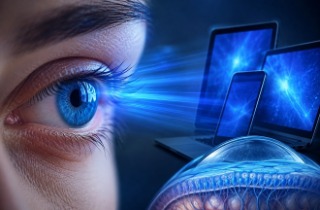
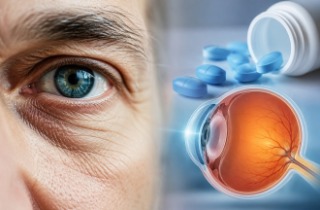
Glaucoma has long been viewed as a disease caused mainly by high pressure inside the eye, but scientists are now uncovering a far more complex and dangerous reality. New research reveals that glaucoma is actually a neurodegenerative disease involving damage to nerve cells caused by poor blood flow, inflammation, and oxidative stress. These processes gradually destroy retinal ganglion cells, which are essential for transmitting visual signals from the eye to the brain. According to researchers from the University of Rijeka Faculty of Medicine and the Clinical Hospital Centre Rijeka, glaucoma affects more than 76 million people globally and is a leading cause of irreversible blindness.
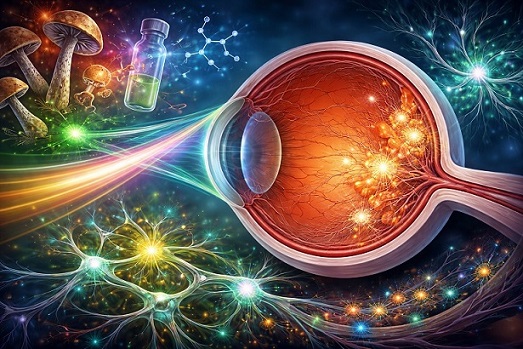 New research shows psychedelic inspired therapies may regenerate damaged eye nerves and
restore vision in glaucoma patients
Current treatments focus almost entirely on lowering eye pressure, but many patients continue to lose vision even after pressure is controlled. This suggests that other hidden mechanisms, especially reduced blood supply and nerve degeneration, play critical roles in disease progression. This
Medical News report highlights how emerging therapies may address these deeper causes rather than just managing symptoms.
Hidden Damage from Oxygen Deprivation and Inflammation
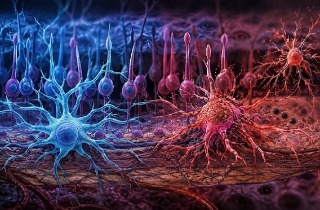
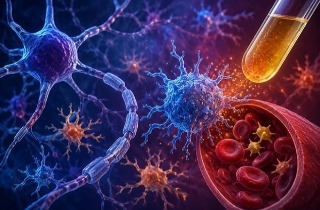
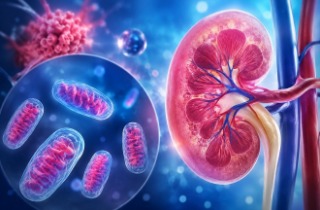
One of the most damaging factors in glaucoma is ischemia, a condition where reduced blood flow deprives nerve cells of oxygen and nutrients. Retinal ganglion cells have extremely high energy demands, and even small interruptions in blood supply can cause severe injury. When oxygen levels fall, harmful molecules called reactive oxygen species accumulate, damaging mitochondria, the energy-producing structures inside cells. This leads to a cascade of destructive events, including inflammation, cellular stress, and eventually programmed cell death.
Researchers found that ischemia also disrupts the blood retinal barrier, allowing inflammatory molecules to enter delicate nerve tissues. Microglia and astrocytes, normally protective support cells, become overactive and release toxic inflammatory substances. Over time, this chronic inflammation worsens nerve damage and prevents natural repair mechanisms from working properly. Even when eye pressure is normalized, this inflammatory cycle can continue, silently destroying vision.
Why The Eye Cannot Easily Repair Itself
Unlike some other tissues in the body, retinal nerve cells have very limited ability to regenerate once damaged. Scientists discovered that several biological barriers prevent recovery. Growth related genes become inactive in adult retinal cells, and regeneration blocking molecules actively suppress nerve repair. In addition, scar tissue forms around injured nerves, creating both physical and chemical obstacles to regeneration.
Another major problem is the loss of neuroplasticity, which refers to the brain and nervous system’s ability to reorganize and form new connections. In glaucoma, reduced levels of important growth facto
rs such as brain derived neurotrophic factor weaken the ability of surviving neurons to reconnect and restore visual pathways. This explains why vision loss in glaucoma has traditionally been considered permanent.
Psychedelic Inspired Therapies Show Powerful Regenerative Potential
In a groundbreaking development, researchers are now investigating a class of compounds known as psychoplastogens. These include substances such as ketamine, psilocybin, and dimethyltryptamine, as well as newer non hallucinogenic analogs designed specifically for medical use. These compounds activate key biological pathways involving BDNF, TrkB, and mTOR, which are essential for nerve growth and repair.
Studies show that psychoplastogens can stimulate the growth of new dendrites, strengthen synaptic connections, and improve communication between nerve cells. At the same time, they reduce harmful inflammation by calming overactive immune cells in the nervous system. This dual action not only protects existing nerve cells but may also help restore damaged neural circuits. Because the retina is part of the central nervous system, these therapies could potentially reverse some of the structural damage caused by glaucoma.
A New Frontier in Preventing Blindness
Scientists believe these findings represent a major shift in how glaucoma may be treated in the future. Instead of focusing solely on lowering eye pressure, new therapies could directly protect and regenerate nerve cells. This approach addresses the root causes of neurodegeneration, including inflammation, vascular dysfunction, and impaired neuroplasticity.
The implications are enormous. If successful, psychoplastogen based treatments could slow disease progression, preserve vision, and possibly restore lost visual function. While clinical trials are still needed, early evidence suggests that restoring neural plasticity and reducing inflammation may transform glaucoma from an irreversible condition into a treatable and potentially reversible disease. These discoveries may also open new treatment pathways for other neurodegenerative disorders affecting the brain and nervous system.
The study findings were published in the peer reviewed journal: Pharmaceuticals.
https://www.mdpi.com/1424-8247/19/2/316
For the latest on Glaucoma, keep on logging to Thailand
Medical News.
Read Also:
https://www.thailandmedical.news/articles/glaucoma-news




 Share
Share
 Tweet
Tweet
 Share
Share