Nikhil Prasad Fact checked by:Thailand Medical News Team Feb 08, 2026 6 months, 3 weeks, 1 day, 13 hours, 46 minutes ago
Medical News: Intense physical activity puts enormous stress on the human body, often leaving muscles sore, immunity weakened, and recovery slowed. A new scientific review suggests that glutamine, a naturally occurring amino acid, could play a meaningful role in helping the body cope with this stress and recover more efficiently after exercise.
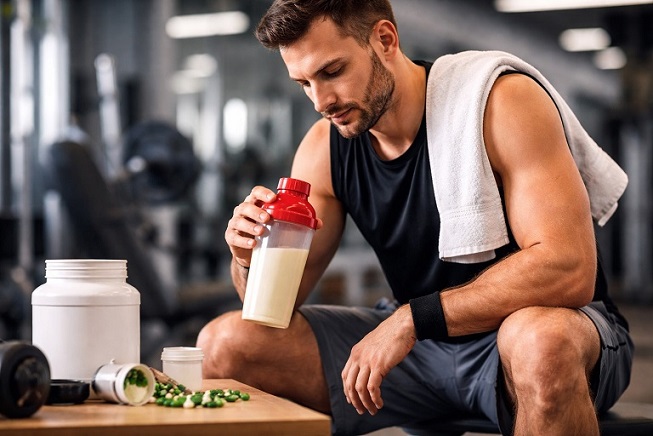 Glutamine may support muscle recovery, immunity, and gut health after intense exercise.
Understanding Glutamine and Why It Matters
Glutamine may support muscle recovery, immunity, and gut health after intense exercise.
Understanding Glutamine and Why It Matters
Glutamine is the most abundant amino acid found in human blood and muscle tissue. Under normal conditions, the body produces enough of it on its own. However, during prolonged or high-intensity exercise, glutamine levels can drop sharply, making it “conditionally essential.” This decline has been linked to fatigue, inflammation, oxidative stress, and impaired immune and gut function.
Researchers explain that glutamine is involved in energy production, antioxidant defense, muscle repair, immune cell activity, and maintaining the integrity of the intestinal lining. These roles make it especially relevant for athletes, fitness enthusiasts, and even individuals recovering from illness who engage in physical activity.
What The Researchers Reviewed
Scientists from the University of Niš in Serbia, specifically the Department of Biochemistry, Department of Histology and Embryology, and the Department of Pathophysiology at the Faculty of Medicine, conducted a detailed narrative review of animal and human studies examining glutamine supplementation and exercise. Their work, this
Medical News report highlights, analyzed both biochemical mechanisms and real-world outcomes, with special focus on when glutamine is taken, before or after exercise.
Key Biological Benefits Identified
Laboratory and animal studies showed that glutamine supplementation can reduce muscle damage markers, lower inflammation, and improve antioxidant defenses by increasing glutathione, a key protective molecule in cells. Glutamine was also found to support protein synthesis pathways linked to muscle growth and repair, particularly through the mTOR signaling system.
Another important finding involves gut health. Intense exercise can temporarily weaken the intestinal barrier, allowing harmful substances to enter the bloodstream. Several studies showed that glutamine helps maintain gut lining integrity, reducing permeability and potential inflammation.
What Human Studies Reveal
Human clinical trials produced mixed but encouraging results. Some studies reported reduced muscle soreness, lower inflammation markers, and improved gut barrier function. Others found little to no effect on physical performance, such as speed or endurance. Differences in dosage, timing, training intensity, and participant fitness levels likely contributed to these inconsistent findings.
Timing May Be Crucial
One of the most interesting insights
from the review is that post-exercise glutamine supplementation may be more beneficial than taking it before exercise. Animal studies showed stronger reductions in muscle and organ damage when glutamine was given after physical stress rather than before it. However, the authors caution that more standardized human studies are needed before firm recommendations can be made.
Conclusion
Overall, the evidence suggests that glutamine has several scientifically plausible benefits for recovery, immune support, and gut health in physically active individuals. While it is not a guaranteed performance booster, it may help the body recover better from intense exercise, especially when used strategically after workouts. Personalized use, rather than routine supplementation, remains the most sensible approach until clearer guidelines emerge.
The study findings were published in the peer reviewed journal: Medicina.
https://www.mdpi.com/1648-9144/62/2/329
For the latest in Sports Medicine, keep on logging to Thailand
Medical News.
Read Also:
https://www.thailandmedical.news/articles/supplements




 Share
Share
 Tweet
Tweet
 Share
Share