Nikhil Prasad Fact checked by:Thailand Medical News Team Feb 18, 2026 6 months, 1 week, 5 days, 15 hours, 47 minutes ago
Medical News: Chinese Doctors Identify Concerning Thyroid Pattern
Doctors in China are warning about a possible link between COVID-19 and newly diagnosed Hashimoto’s thyroiditis, an autoimmune disease that damages the thyroid gland. Researchers from the Second Hospital of Hebei Medical University and Xuzhou Central Hospital conducted a clinical study involving 369 COVID-19 patients to better understand how the virus may affect thyroid health. Their findings suggest that SARS-CoV-2 infection could trigger or worsen thyroid autoimmune conditions, especially in older adults.
 Chinese study finds COVID-19 may trigger autoimmune thyroid disease in some patients
Hashimoto’s thyroiditis occurs when the immune system mistakenly attacks the thyroid, leading to abnormal hormone levels. The thyroid plays a vital role in controlling metabolism, energy, and body temperature, so damage to this gland can have widespread health effects. This
Medical News report highlights that researchers found 54 out of the 369 COVID-19 patients were newly diagnosed with Hashimoto’s thyroiditis during their illness.
Fatigue and Thyroid Dysfunction More Common
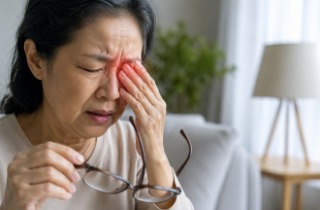
One of the most noticeable symptoms among COVID-19 patients with Hashimoto’s thyroiditis was fatigue. More than half of these patients, about 53.7 percent, reported extreme tiredness. This was significantly higher compared to patients without thyroid disease. Researchers say this symptom could serve as an early warning sign of thyroid involvement during COVID-19 infection.
The study also revealed that thyroid hormone abnormalities were much more frequent in affected patients. Nearly 30 percent developed subclinical hyperthyroidism, a condition where thyroid hormone levels rise but symptoms may be mild or unnoticed. Additionally, 7.4 percent developed subclinical hypothyroidism, where thyroid hormone levels fall below normal. These changes can affect heart rate, energy levels, and overall health if left untreated.
Longer Viral Infection Increases Risk
Another important finding was that patients who took longer to clear the virus from their bodies had a higher risk of developing Hashimoto’s thyroiditis. Researchers identified prolonged viral clearance as an independent risk factor, meaning the longer the infection lasted, the greater the chance of thyroid damage. Older age and low levels of a key thyroid hormone called FT3 were also linked to higher risk of death among COVID-19 patients.
What This Means for Patients and Doctors
These findings suggest that COVID-19 is not just a respiratory illness but may also trigger autoimmune problems affecting vital organs like the thyroid. Doctors may need to monitor thyroid function more closely in COVID-19 patients, especially older individuals or those experiencing prolonged illness or unexplained fatigue. Early detection could help prevent complications and improve recovery outcomes.
Conclusion
The study provides strong ev
idence that COVID-19 infection may play a role in triggering newly diagnosed Hashimoto’s thyroiditis, particularly in older and vulnerable patients. Fatigue, hormone abnormalities, and delayed viral clearance appear to be key warning signs. These findings emphasize the importance of thyroid screening in COVID-19 patients and highlight the virus’s broader impact beyond the lungs. Early identification and treatment of thyroid dysfunction could help reduce complications, improve survival, and support long-term recovery.
The study findings were published as an abstract in the peer reviewed journal: Frontiers in Endocrinology
https://www.frontiersin.org/journals/endocrinology/articles/10.3389/fendo.2026.1749196/abstract
For the latest COVID-19 News, keep on logging to Thailand
Medical News.
Read Also:
https://www.thailandmedical.news/articles/coronavirus
https://www.thailandmedical.news/articles/long-covid




 Share
Share
 Tweet
Tweet
 Share
Share