Nikhil Prasad Fact checked by:Thailand Medical News Team Jan 31, 2026 6 months, 3 days, 18 hours, 19 minutes ago
Medical News: Persistent digestive problems are emerging as one of the most troubling long-term effects of COVID-19, according to a new study tracking patients for two full years after severe infection. Researchers found that many survivors continue to suffer from gut-related symptoms long after the virus has left their bodies, pointing to lasting inflammation and immune disruption as possible causes.
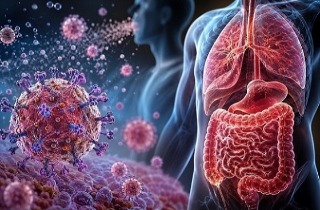
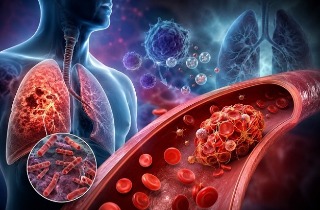
 New research reveals lingering gut inflammation and digestive problems two years after severe COVID-19.
Study Focus and Where the Research Was Conducted
New research reveals lingering gut inflammation and digestive problems two years after severe COVID-19.
Study Focus and Where the Research Was Conducted
The study was carried out by researchers from the Universidade do Estado do Amazonas, Fundação de Medicina Tropical Dr Heitor Vieira Dourado, Universidade Federal do Amazonas, Fundação Hospitalar de Hematologia e Hemoterapia do Amazonas, and Instituto Todos Pela Saúde in Brazil. The research followed patients hospitalized during the first COVID-19 wave in Manaus between March and May 2020, before vaccines were available.
This
Medical News report highlights findings from an in-depth follow-up of 80 adults who survived severe COVID-19 and were monitored for two years after infection.
Digestive Symptoms That Refused to Go Away
Two years after their initial illness, 30 of the participants continued to report ongoing gastrointestinal problems. The most common complaints were acid reflux, persistent abdominal pain, chronic diarrhea, and difficulty swallowing. More than half of those affected experienced more than one digestive symptom at the same time, suggesting a broader disruption of gut health rather than isolated issues.
Importantly, patients with long-lasting gut symptoms were also more likely to experience other long COVID problems such as fatigue, headaches, heart palpitations, joint pain, hair loss, and persistent cough. This pattern supports the idea that long COVID is a multi-system condition rather than a single-organ disorder.
Clues Found in Blood and Immune Markers
The research team analyzed blood samples taken during hospitalization and again over the following two years. They found that patients with long-term gut symptoms showed distinct differences in inflammatory markers compared to those without digestive problems.
Levels of certain immune signaling proteins, known as cytokines, were altered. One key finding was a delayed rise in interleukin-6, a molecule strongly linked to inflammation. While levels were lower during the acute illness, they became significantly higher several months later and remained disrupted over time.
Another inflammatory marker, TNF alpha, stood out as unusually elevated in many patients with persistent gut symptoms, suggesting it may serve as an early warning signal for long-term digestive complications.
Laboratory tests also showed lower ferritin, creatinine, and platelet changes in affected patients even after two years, indicating ongoing physiological stress rather than ful
l recovery.
Why The Gut May Be Especially Vulnerable
Scientists believe SARS-CoV-2 can directly infect cells lining the intestines, disrupting digestion and triggering long-lasting immune responses. Damage to the gut lining, combined with changes in gut bacteria and persistent low-grade inflammation, may explain why symptoms continue for years in some individuals.
Conclusions
This study provides strong evidence that gastrointestinal symptoms can persist for at least two years after severe COVID-19 and are linked to long-term immune imbalance rather than simple post-viral irritation. The findings emphasize the need for ongoing digestive screening and immune monitoring in COVID-19 survivors, especially those who were hospitalized. Understanding these mechanisms could help guide future treatments aimed at restoring gut health and improving quality of life for long COVID patients.
The study findings were published in the peer reviewed journal: Scientific Reports.
https://link.springer.com/article/10.1038/s41598-026-37595-8
For the latest COVID-19 News, keep on logging to Thailand
Medical News




 Share
Share
 Tweet
Tweet
 Share
Share