Nikhil Prasad Fact checked by:Thailand Medical News Team Feb 09, 2026 7 months, 3 weeks, 1 day, 17 hours, 2 minutes ago
Medical News: Researchers are increasingly turning their attention to natural compounds found in plants as safer and more effective ways to slow cognitive decline. A new comprehensive review has now highlighted how plant-derived polysaccharides, complex natural sugars present in many medicinal plants, may help protect the brain and support memory through multiple biological pathways.
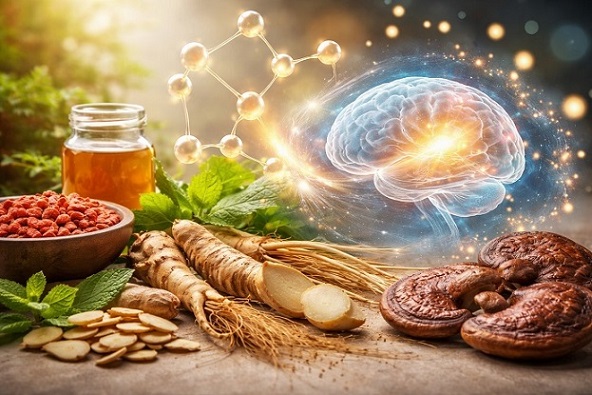 Natural plant sugars may help protect the brain and slow memory loss through multiple biological pathways.
Why Cognitive Disorders Need Better Solutions
Natural plant sugars may help protect the brain and slow memory loss through multiple biological pathways.
Why Cognitive Disorders Need Better Solutions
Cognitive disorders such as Alzheimer’s disease, vascular dementia, and mild cognitive impairment are marked by progressive problems with memory, thinking, attention, and daily functioning. Existing medications mainly treat symptoms and often provide only modest and temporary relief. Many patients also experience side effects, while disease progression continues unchecked. This has created an urgent need for multi-target approaches that are both effective and safe for long-term use.
What are Plant-Derived Polysaccharides
Plant-derived polysaccharides are large carbohydrate molecules naturally found in plants such as goji berries, ginseng, Astragalus, and medicinal mushrooms. Unlike simple sugars, these compounds interact with the immune system, reduce inflammation, counter oxidative stress, and influence gut bacteria. The review explains that these combined effects make them especially attractive for complex brain disorders.
How These Natural Compounds Protect the Brain
According to this Medical News report, polysaccharides help reduce chronic brain inflammation by calming overactive immune cells in the brain and lowering harmful inflammatory chemicals. They also act as antioxidants, neutralizing damaging free radicals that contribute to neuron loss and memory decline. In addition, some polysaccharides reduce the buildup of toxic proteins such as beta-amyloid and abnormal tau, which are strongly linked to Alzheimer’s disease.
Supporting Brain Cells and Preventing Cell Death
Another key finding is that these plant compounds can protect neurons from programmed cell death. They help balance survival-related proteins inside brain cells and activate signaling pathways that support learning and memory. Some polysaccharides also boost levels of brain-derived neurotrophic factor, a molecule essential for maintaining healthy connections between neurons.
The Gut–Brain Connection
A major highlight of the review is the role of the gut–brain axis. Humans cannot directly digest polysaccharides, so they are broken down by gut bacteria into beneficial metabolites such as short-chain fatty acids. These substances reduce inflammation, strengthen the gut barrier, and send positive signals to the brain, ultimately improving cognitive function. Several studies showed that polysaccharides increase beneficial bacteria like Lactobacillus and Bifidobacterium, which are linked to better brain health.
Early Human Evidence and What Comes Next
Although most evidence so f
ar comes from laboratory and animal studies, early clinical trials have shown improvements in memory complaints and cognitive scores with good safety profiles. However, researchers stress the need for larger and longer trials using standardized formulations.
Conclusions
Overall, the findings suggest that plant-derived polysaccharides may offer a powerful, multi-target strategy to slow cognitive decline. By reducing inflammation, combating oxidative stress, protecting neurons, and improving gut–brain communication, these natural compounds could complement or enhance current treatments. While more human studies are needed, this growing body of evidence supports their future role in preventing and managing neurodegenerative diseases.
Institutions of the Researchers
School of Pharmacy, Shaanxi University of Chinese Medicine, Xianyang, China
College of Sciences, Northwest A&F University, Xianyang, China
School of Life Science and Medicine, Zhejiang Sci-Tech University, Hangzhou, China
The study findings were published in the peer reviewed journal: Nutrients.
https://www.mdpi.com/2072-6643/18/4/555
For the latest herbs and phytochemicals and brain health, keep on logging to Thailand
Medical News.
Read Also:
https://www.thailandmedical.news/articles/alzheimer,-dementia-
https://www.thailandmedical.news/articles/herbs-and-phytochemicals




 Share
Share
 Tweet
Tweet
 Share
Share

































