Nikhil Prasad Fact checked by:Thailand Medical News Team Jun 25, 2026 1 month, 2 weeks, 14 hours, 24 minutes ago
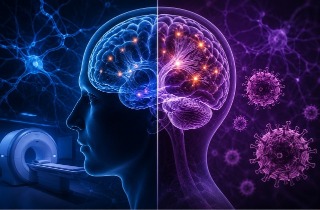
Medical News: Researchers have uncovered compelling evidence that changes in the body's nervous system during aging may quietly reshape the immune system, creating the perfect conditions for chronic inflammation, autoimmune diseases, and even Long COVID. Their findings suggest that the gradual loss of balance between the sympathetic and parasympathetic branches of the autonomic nervous system may be a missing piece in understanding why older adults are more vulnerable to persistent inflammatory illnesses.
 Aging Nerve Changes May Fuel Long COVID and Autoimmune Diseases
The research was conducted by scientists from Casa di Cura Prof. Nobili (Gruppo Garofalo GHC), Castiglione dei Pepoli, Bologna, Italy; the Department of Clinical and Molecular Sciences at Università Politecnica delle Marche, Ancona, Italy; the Clinic of Laboratory and Precision Medicine at IRCCS INRCA, Ancona, Italy; and the Advanced Technology Center for Aging Research at IRCCS INRCA, Ancona, Italy.
How Aging Disrupts the Body's Internal Control System
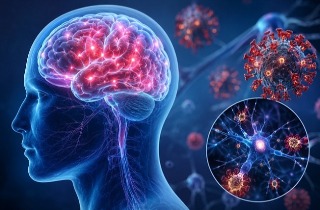
The autonomic nervous system controls many automatic body functions such as heart rate, breathing, blood pressure, and digestion. It consists of two main branches. The sympathetic nervous system prepares the body to respond to stress, while the parasympathetic nervous system calms the body and helps resolve inflammation.
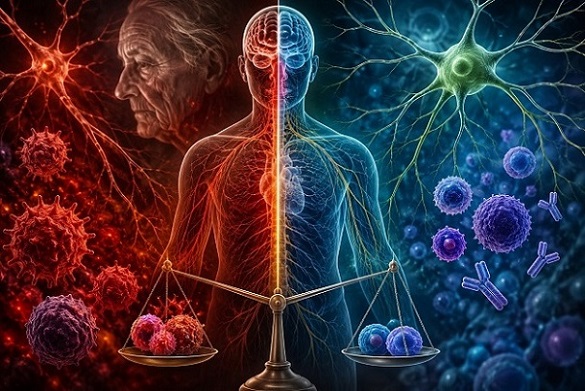
According to the researchers, healthy immune function depends on these two systems remaining in balance. However, aging gradually shifts this balance. The sympathetic nervous system becomes overactive while parasympathetic activity steadily declines. At the same time, immune cells become less responsive to important beta-adrenergic signals that normally prevent excessive inflammation.
Instead of switching inflammation off after infections or injuries, the aging body increasingly remains trapped in a low-grade inflammatory state known as "inflammaging." This chronic inflammation slowly damages tissues and may increase the risk of numerous age-related diseases.
Why Immune Cells Begin Misbehaving
One of the study's most important findings involves specialized immune cells called Th17 cells and regulatory T cells (Tregs).
Under normal conditions, regulatory T cells prevent the immune system from attacking the body's own tissues, while Th17 cells help eliminate infections. Healthy immunity depends on maintaining a careful balance between these two cell populations.
As beta-adrenergic signaling weakens with age, this balance begins to shift. Regulatory T cells lose part of their ability to suppress excessive immune responses, while Th17 cells become more dominant. The result is increased production of inflammatory molecules including IL-17, IL-6, IL-1β and TNF-α, all of which are strongly linked to autoimmune diseases and chronic inflammatory disorders.
The researchers also describe how chronic stress, oxidative damage, and continuous sympathetic nervous system activation further reduce the effectiveness of beta-adrenergic receptors, creating a vicious cycle that becomes progressively harder for the body to escap
e.
This
Medical News report highlights that these interacting mechanisms may explain why aging increases the likelihood of diseases such as rheumatoid arthritis, lupus, psoriasis, multiple sclerosis, and other autoimmune disorders.
Long COVID May Be Exploiting an Aging Immune System
Perhaps the most intriguing aspect of the review is its explanation of Long COVID. The authors propose that SARS-CoV-2 infection does not necessarily create immune dysfunction from scratch. Instead, the virus may exploit an already vulnerable biological environment created by aging.
Older adults often enter COVID-19 infection with chronic inflammation, impaired autonomic balance, weakened vagal anti-inflammatory activity, and reduced beta-adrenergic immune regulation. When SARS-CoV-2 triggers a powerful inflammatory response, these pre-existing weaknesses may become greatly amplified.
Even months after the virus has cleared, many patients continue to show elevated inflammatory cytokines, reduced heart rate variability, excessive sympathetic nervous system activity, persistent immune activation, and the production of autoantibodies that attack the body's own tissues. The researchers suggest these overlapping abnormalities may reinforce one another, helping explain why Long COVID symptoms can persist for many months and why some patients later develop autoimmune diseases.
New Opportunities for Future Treatments
The review also points toward possible future treatment strategies. Rather than focusing solely on suppressing inflammation, therapies may eventually target the autonomic nervous system itself.
Potential approaches include improving parasympathetic nerve activity through structured rehabilitation, breathing exercises, heart rate variability biofeedback, vagus nerve stimulation, and carefully selected medications that reduce excessive sympathetic activity. However, the researchers stress that much larger clinical studies are needed before these strategies can become standard medical practice.
Conclusion
The findings present a compelling new framework connecting aging, nervous system dysfunction, immune imbalance, chronic inflammation, autoimmunity, and Long COVID. Rather than viewing these conditions as separate disorders, the researchers show they may share a common biological foundation rooted in age-related autonomic nervous system changes. Understanding and correcting this imbalance could eventually lead to more effective ways to prevent chronic inflammatory diseases, reduce autoimmune risk, and improve recovery in patients suffering from Long COVID, particularly among aging populations.
The study findings were published in the peer reviewed journal: Frontiers in Neuroendocrinology.
https://www.sciencedirect.com/science/article/pii/S0091302226000397
For the latest on Long COVID, keep on logging to Thailand
Medical News.
Read Also:
https://www.thailandmedical.news/articles/long-covid




 Share
Share
 Tweet
Tweet
 Share
Share