Nikhil Prasad Fact checked by:Thailand Medical News Team Sep 23, 2026 39 minutes ago
Patients critically ill with COVID-19 may require much higher doses of the widely used sedative propofol while still developing surprisingly low concentrations of the drug in their blood, new research suggests.
 Severe COVID-19 patients required considerably more propofol despite having markedly lower concentrations
of the sedative in their blood.
The findings offer a possible biological explanation for a problem observed in intensive care units during the pandemic: some patients with severe COVID-19 were unusually difficult to sedate adequately with propofol. The researchers investigated whether inflammation and oxidative stress associated with SARS-CoV-2 infection could accelerate the drug’s disappearance from the bloodstream.
Researchers Find a Striking Propofol Gap
The prospective study included 27 adults with COVID-19 and acute respiratory distress syndrome requiring mechanical ventilation and 14 non-COVID-19 postoperative ICU patients. Researchers measured propofol concentrations and examined molecular changes that could influence the drug’s effects.
The difference was substantial. COVID-19 patients received a median propofol dose of 5 mg/kg/h, compared with 2 mg/kg/h among non-COVID-19 patients. Yet their median plasma propofol concentration was just 600.49 ng/mL, versus 4,018.44 ng/mL in controls. The difference in concentrations was statistically significant at p=.0008432.
For this
Thailand Medical News report, the particularly important finding is that giving considerably more propofol did not translate into higher circulating drug levels in COVID-19 patients.
Inflammation Could Be Breaking Down Propofol
Laboratory experiments provided another clue. When plasma was exposed to the same concentration of propofol, COVID-19 samples contained significantly less remaining drug after both 15 and 30 minutes than non-COVID-19 samples.
The researchers propose that severe inflammation may promote oxidative degradation of propofol. One possible contributor is myeloperoxidase, an enzyme released by activated neutrophils that can participate in propofol oxidation. They emphasize that this proposed mechanism still requires direct experimental confirmation.
MicroRNAs Reveal Additional Molecular Changes
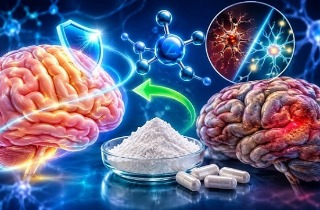
The investigation also found that GABRB2 protein—the β2 component of the GABAA receptor through which propofol produces important sedative effects—was higher in neuronal-enriched extracellular vesicles from COVID-19 patients. This makes simple loss of the drug's molecular target an unlikely explanation for the increased dose requirement.
Researchers additionally identified five consistently upregulated microRNAs associated with COVID-19. Analysis connected their potential targets to 247 genes expressed in the cerebral cortex and thalamus, brain regions important to propofol's hypnotic effects. The implicated biological processes included oxidative stress, metabolic regulation, tau activity and microtubule organization.
/>
Institutions
The research involved the Institute for Maternal and Child Health-IRCCS “Burlo Garofolo,” University of Trieste, and University of California San Diego.
Conclusion
The findings provide a plausible explanation for why critically ill COVID-19 patients can require unusually high propofol doses: inflammation-associated oxidative processes may reduce circulating drug levels more rapidly. However, the small study population, limited pharmacokinetic sampling and partly predictive molecular analysis mean larger studies with direct measurements are needed to confirm the mechanism and determine its clinical implications.
The study findings were published in the peer reviewed British Journal of Clinical Pharmacology.
https://bpspubs.onlinelibrary.wiley.com/doi/10.1002/bcp.70813
Read Also:
https://www.thailandmedical.news/articles/coronavirus




 Share
Share
 Tweet
Tweet
 Share
Share